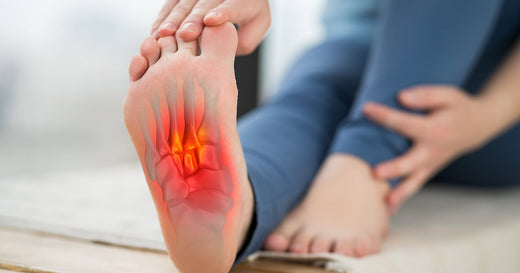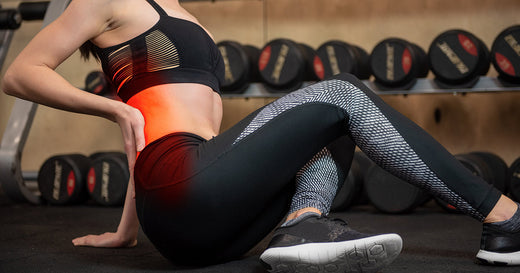



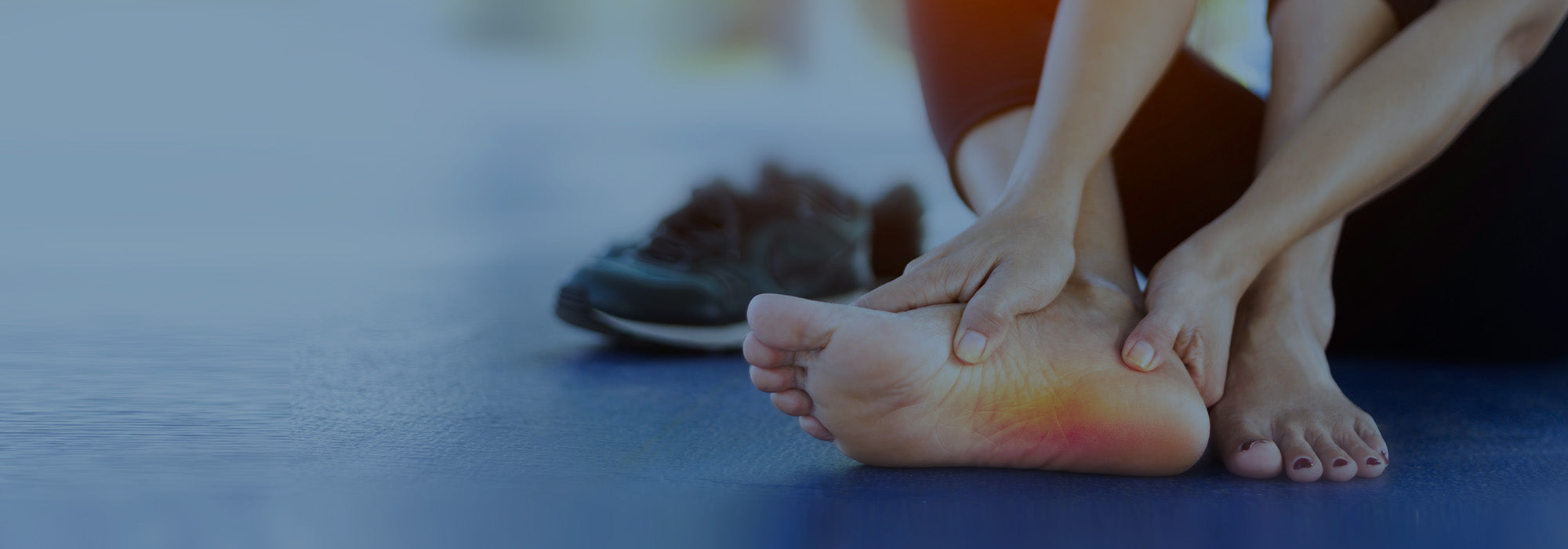
Pain in the ball of your foot can make every step uncomfortable, especially during walking, running, or standing for long periods. Many people describe it as a burning, aching, or sharp pain under the front of the foot, often feeling like they are stepping on a small object.
This type of discomfort is commonly known as ball of foot pain, or metatarsalgia. It often develops gradually due to pressure, overuse, or changes in foot mechanics.
The good news is that most cases can be managed with the right combination of support, stretching, and activity adjustments. At Medi-Dyne, we focus on proven solutions that help reduce pressure, improve comfort, and keep you moving without limits.
What Is Ball of Foot Pain?
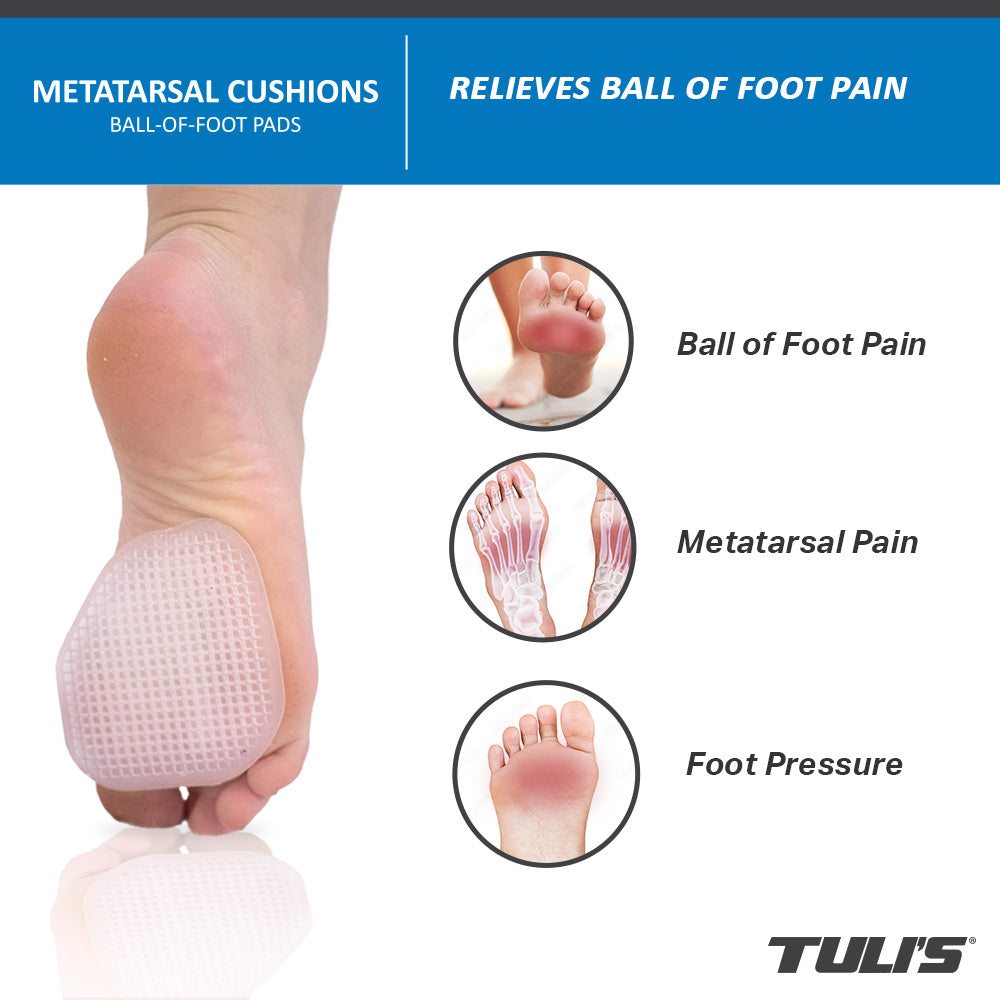
Ball of foot pain, also known as metatarsalgia, refers to discomfort in the area just behind the toes, where the metatarsal bones meet the forefoot. This area absorbs significant pressure during movement. When too much stress is placed on the forefoot, it can lead to inflammation, irritation, and pain.
The condition can affect anyone but is especially common in runners, athletes, and individuals who spend long hours on their feet.
What Causes Ball of Foot Pain?
Pain in the ball of the foot may have many different causes; including: arthritis, ligament injuries, joint irritation, Morton's neuroma (a benign nerve tumor usually located between the 3rd and 4th toes), tarsal tunnel syndrome (pinched nerve), or excessive pressure over a long period of use. But most often it is caused by improperly fitting shoes.
Several factors can contribute to increased pressure on the forefoot.
High-Impact Activities
Running, jumping, and sports can place repeated stress on the ball of the foot.
Improper Footwear
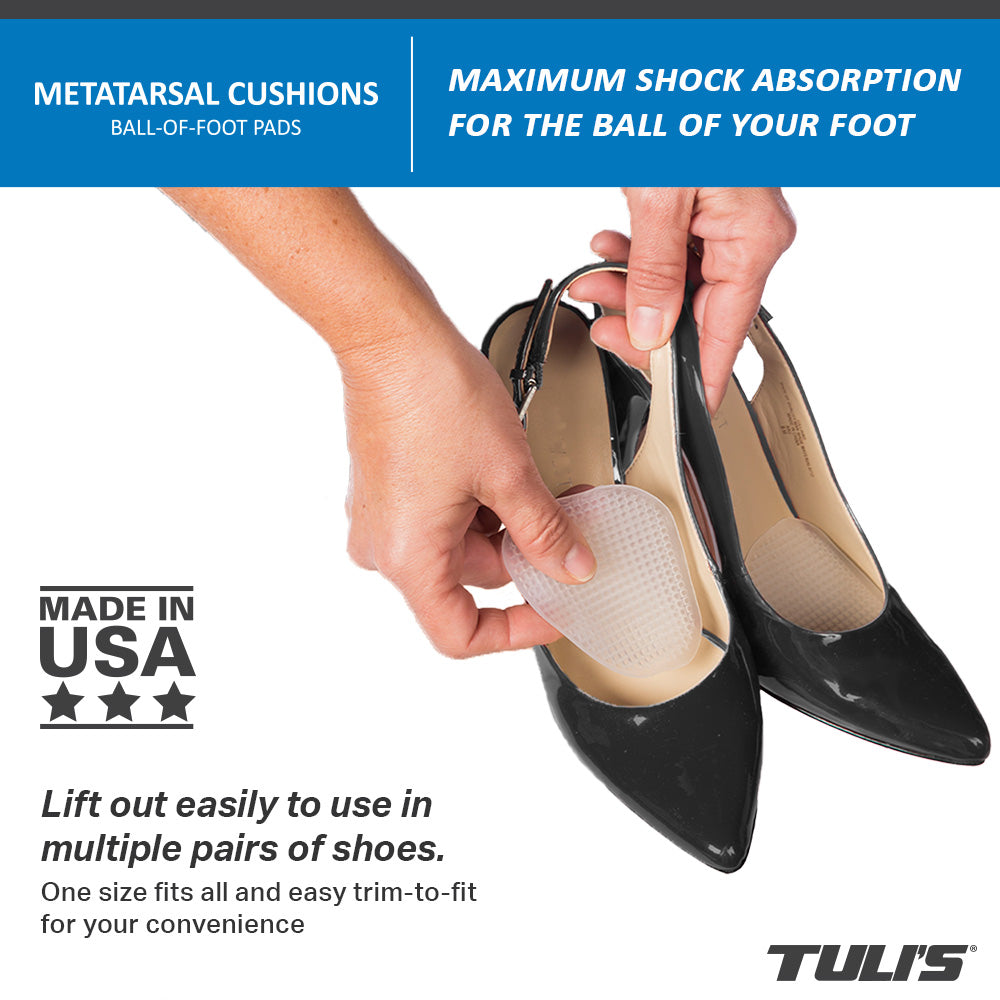
Shoes that are too tight, lack cushioning, or have high heels can shift pressure forward onto the forefoot. High-heels and narrow toe boxes can really take their toll on your feet. Even the pair of shoes that starts out comfortable, by mid-day (or mid-night) begins to cause discomfort or pain, which in turn impacts the way you walk or stand.
Foot Structure
High arches, bunions, or hammertoes can change how weight is distributed across the foot.
Excess Body Weight
Additional weight can increase pressure on the metatarsal area.
Tight Muscles
Tight calves or limited ankle mobility can alter walking mechanics and increase forefoot stress.
Ball of Foot Pain Symptoms
The ball of the foot is particularly susceptible to stress injury because we are so often on our feet every day, so if you spend much of your day walking or running, pay close attention to any signs of injury in your feet.
Pain in the ball of your feet could make it difficult to continue working or exercising, and "powering through" the discomfort could make an existing injury worse.
Symptoms may vary but often include:
- Sharp or burning pain in the ball of the foot
- A feeling of stepping on a pebble
- Pain that worsens with activity
- Tingling or numbness in the toes
- Increased discomfort when barefoot or in unsupportive shoes
Many people notice that symptoms improve with rest but return during activity. Ask a doctor if you experience the following ball of foot pain symptoms:
- Tenderness when pressure is applied
- Sharp pains when placing weight on your foot
- Inability to walk, stand, or run
- Swelling along the ball of the foot
- A dull ache or bruising
How to Relieve Ball of Foot Pain
Reducing pressure on the forefoot is the key to relief.
Footwear Changes
Your first step in relieving ball of foot pain is determining what is causing the pain. The easiest place to start is with your shoes. This isn't the first time you've read that high heels and even flat shoes can be bad for your feet. So, if you want to stop the pain, or want to take steps to prevent plantar fasciitis, buy shoes with a low to moderate heel, good arch support, and shock absorbency.
Try not to go barefoot, especially on hard surfaces. Your choice of shoes and the added support you can give them can make all the difference.
Choose shoes with a wide toe box and adequate cushioning to reduce pressure on the front of the foot.
Activity Modification
Reducing high-impact activities can help allow the foot to recover.
Foot Support and Cushioning
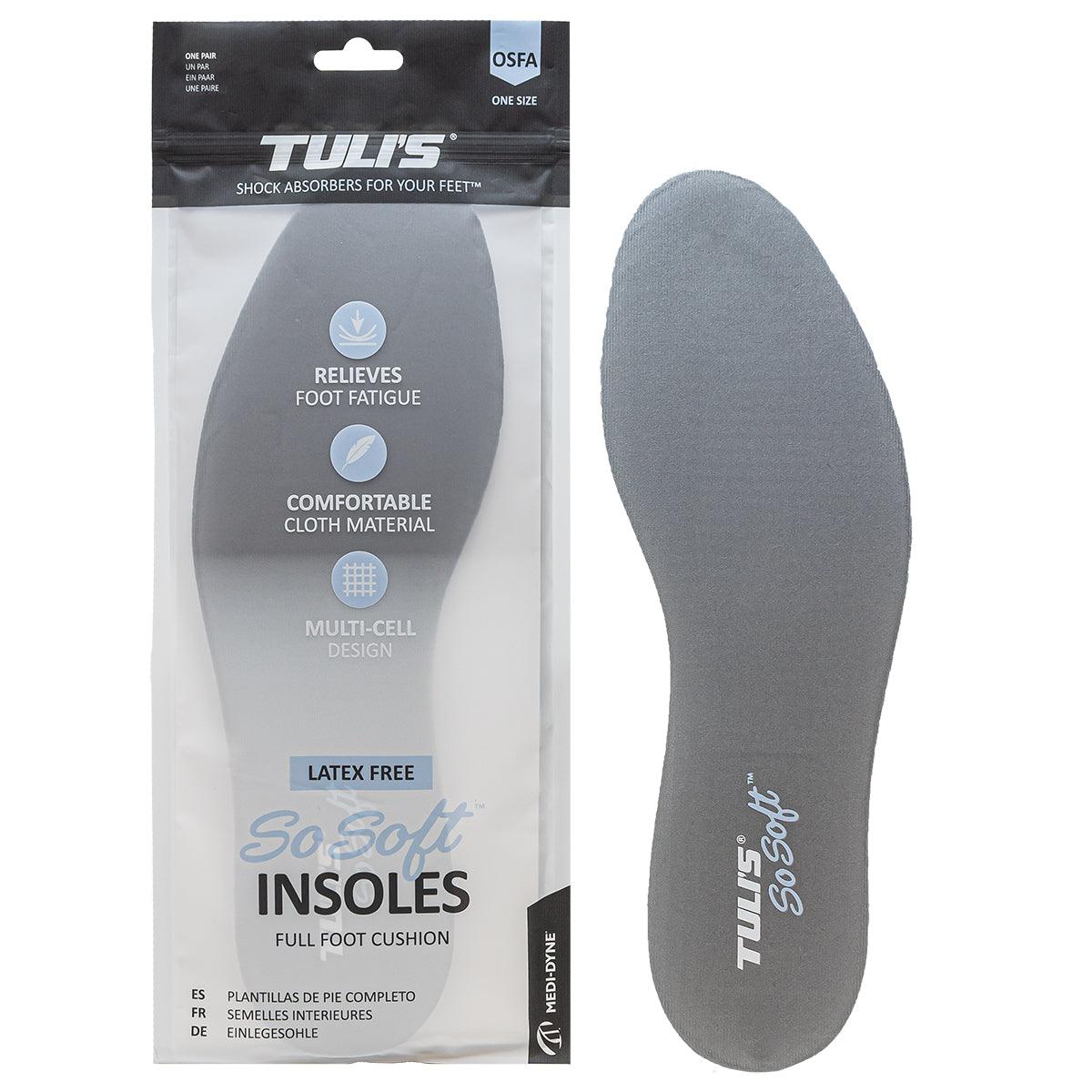
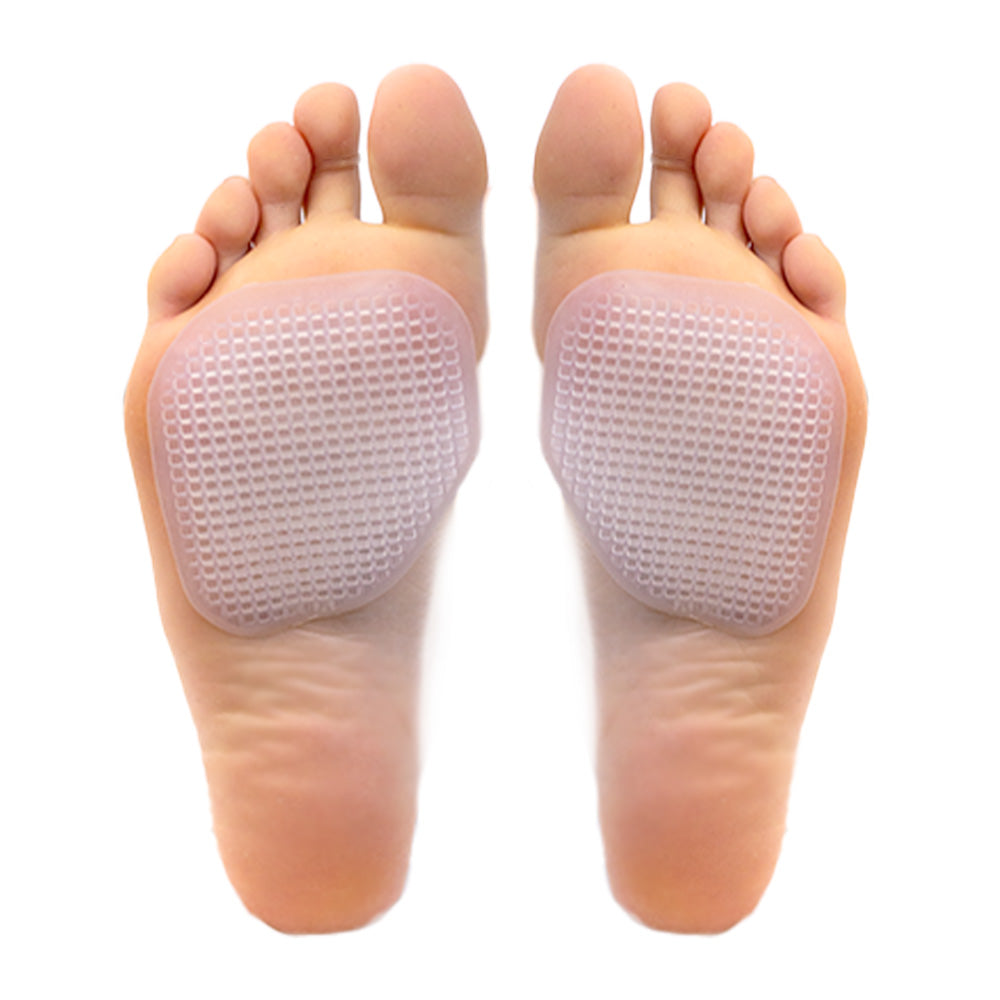
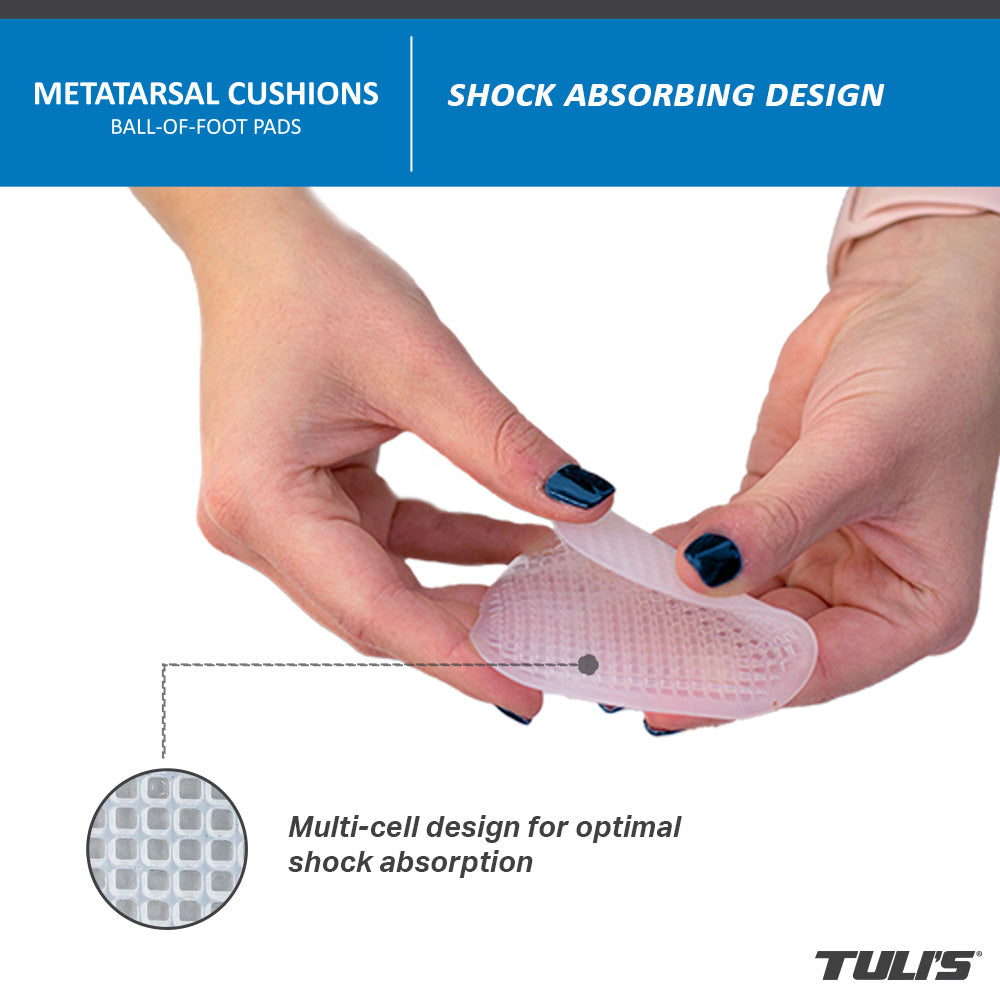
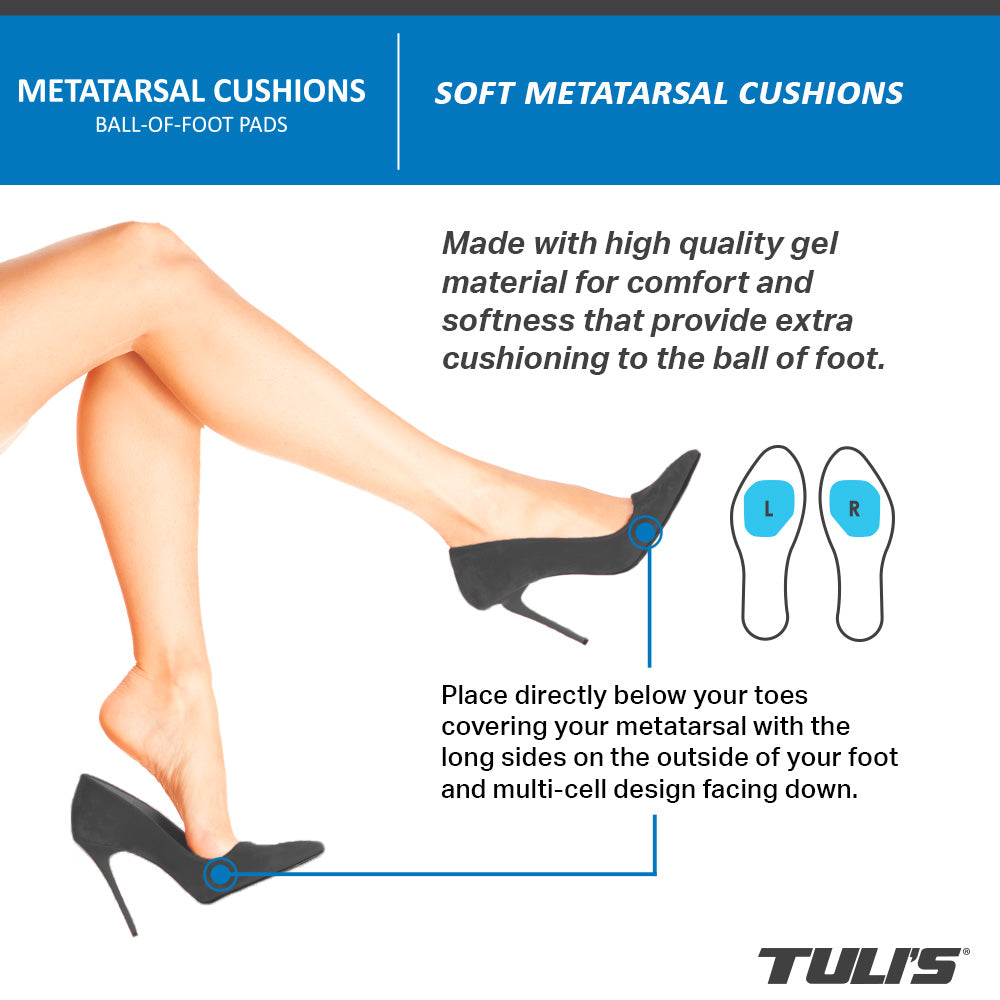
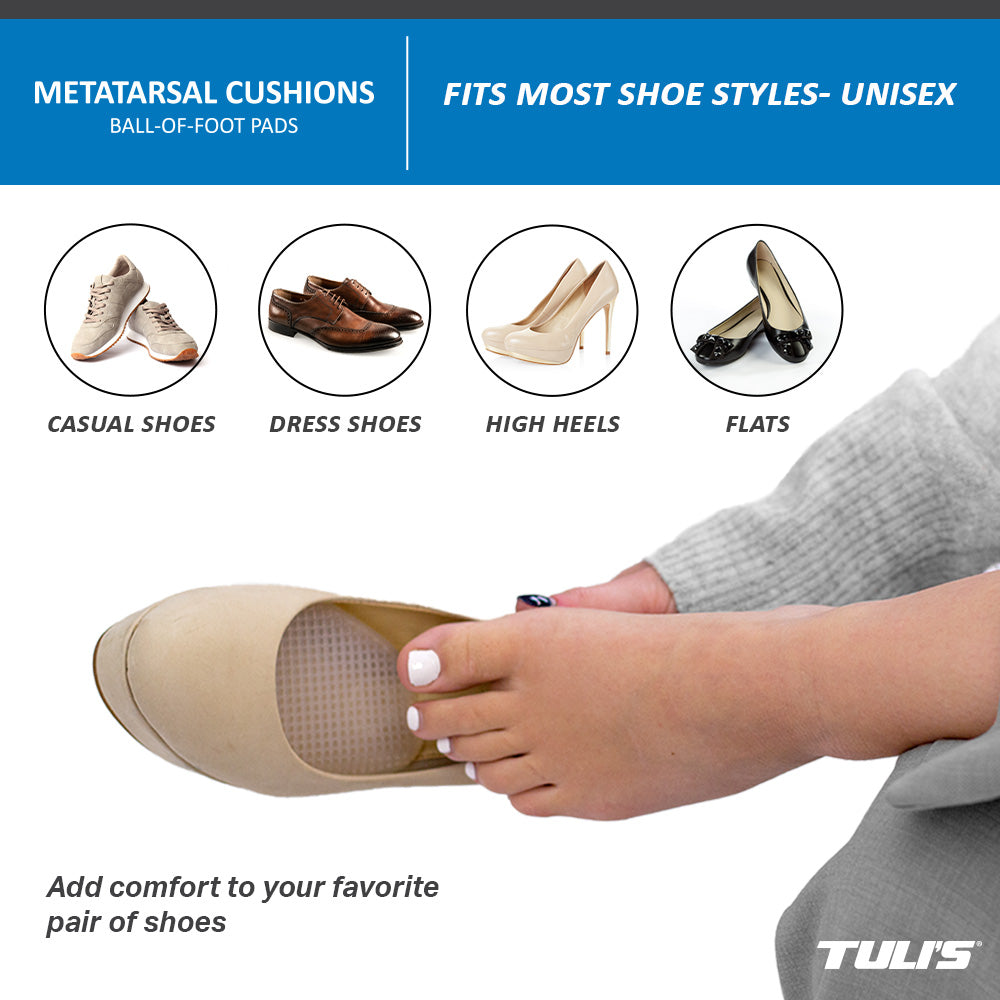
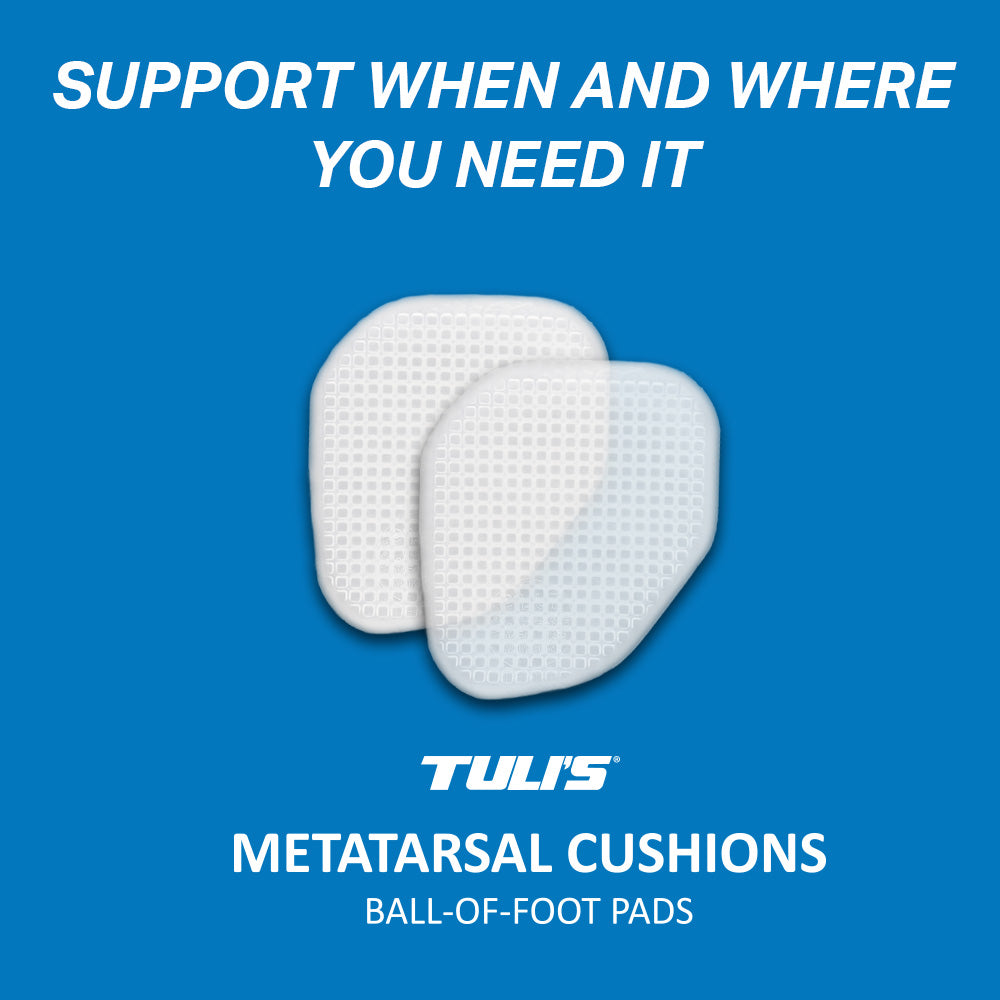
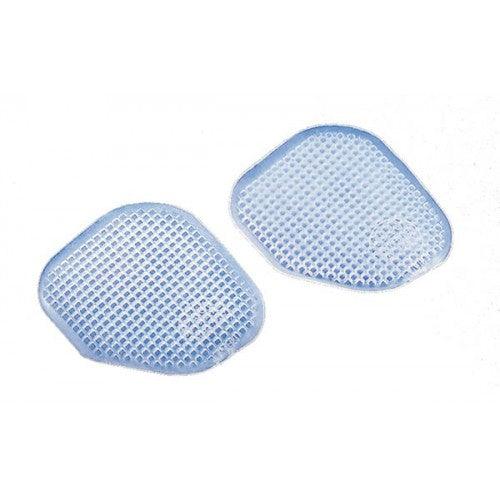
Supportive insoles or metatarsal pads can help redistribute pressure away from the ball of the foot.
High-impact activity is a contributor to the wearing down of the padding at the balls of your feet, so be sure that your athletic shoes are providing the maximum support. Replace your insoles before they stop supporting and cushioning your feet.
The same goes for dress shoes. Designers are typically focused on the outside of the shoe – so you need to focus on the inside. It's a good idea to replace the insole of even a new pair of shoes with one that provides more support, especially arch support, and shock absorption.
Rest and Recovery
Allowing time for the foot to recover can help reduce inflammation.
Stretching and Mobility
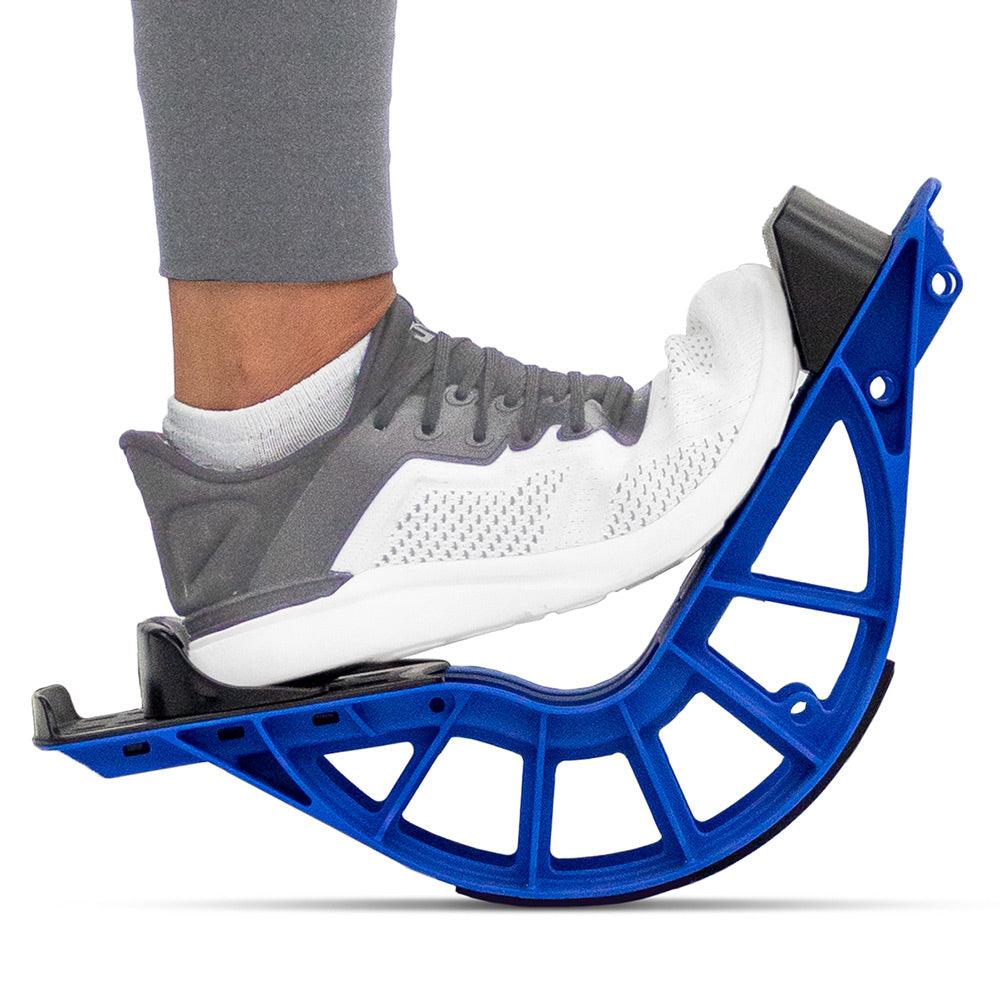
Improving flexibility in the calf muscles and foot can reduce strain and improve movement.
Exercises for Ball of Foot Pain
Simple exercises can help improve flexibility and reduce pressure on the forefoot.
Calf Stretch
- Stand facing a wall.
- Step one foot back and press the heel down.
- Hold for 20–30 seconds.
Toe Stretch
- Sit comfortably.
- Gently pull the toes upward.
- Hold for 15–20 seconds.
Foot Rolling
- Place a small ball under your foot.
- Roll it across the forefoot area.
This helps release tension and improve circulation.
Products That Help Reduce Forefoot Pressure
Supportive products can help relieve discomfort by redistributing pressure and improving foot mechanics.
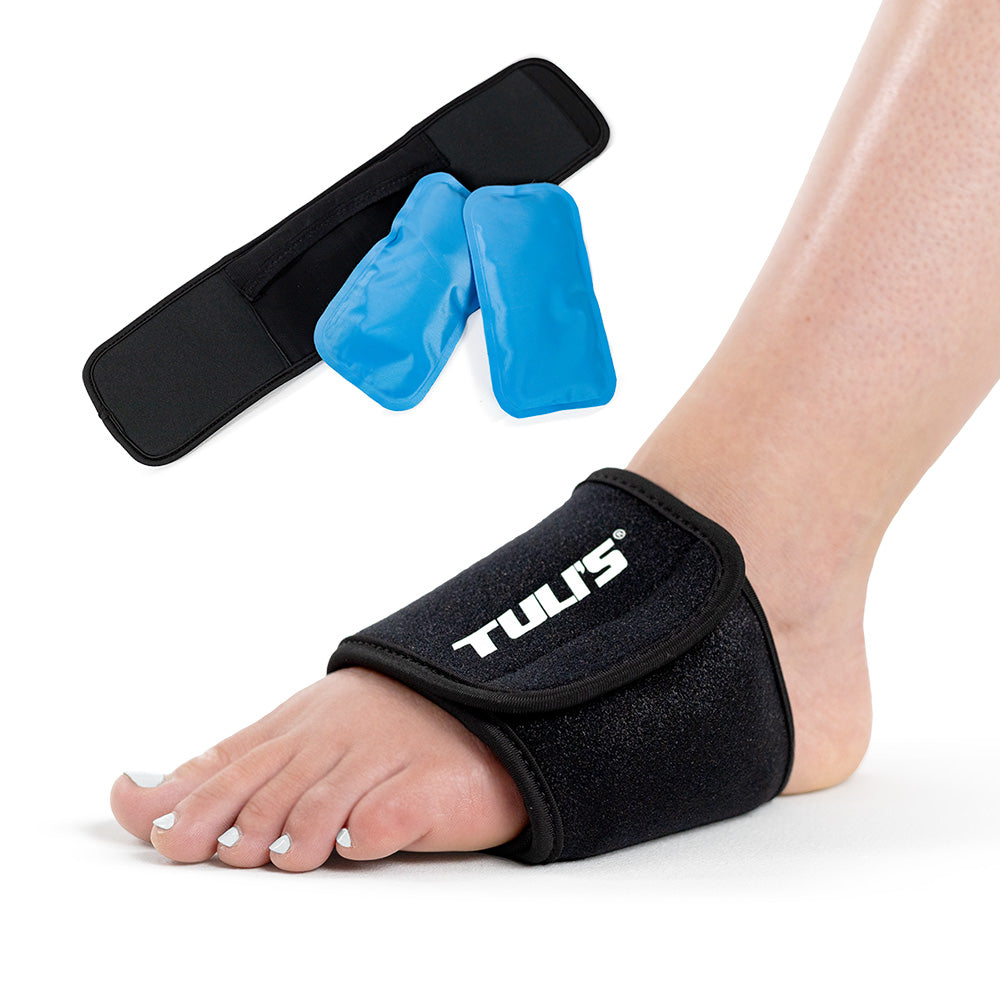
Medi-Dyne offers solutions designed to support forefoot comfort and reduce stress during movement.
Examples include:
- Metatarsal Pads - Help offload pressure from the ball of the foot.
- Supportive Insoles - Provide cushioning and improve weight distribution.
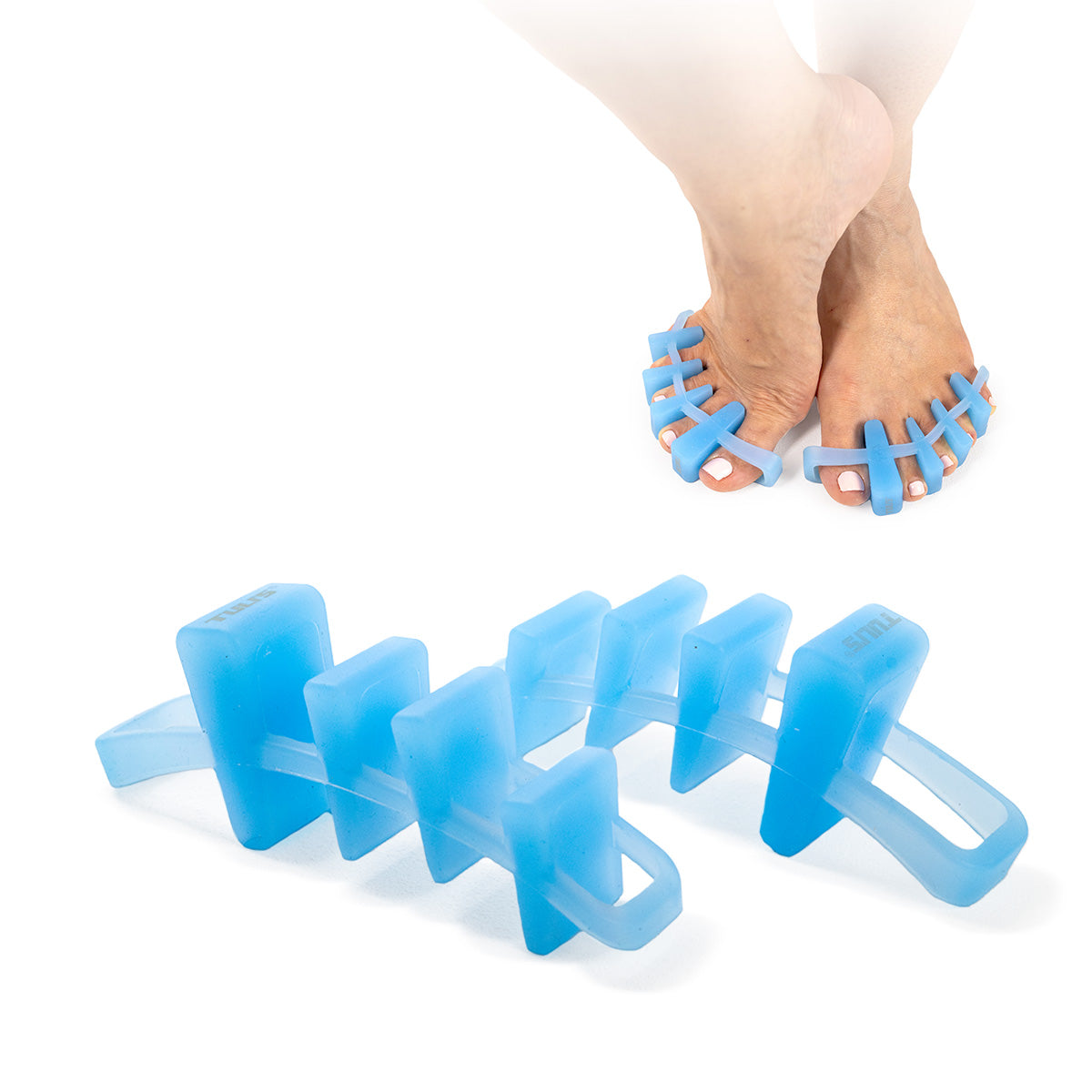
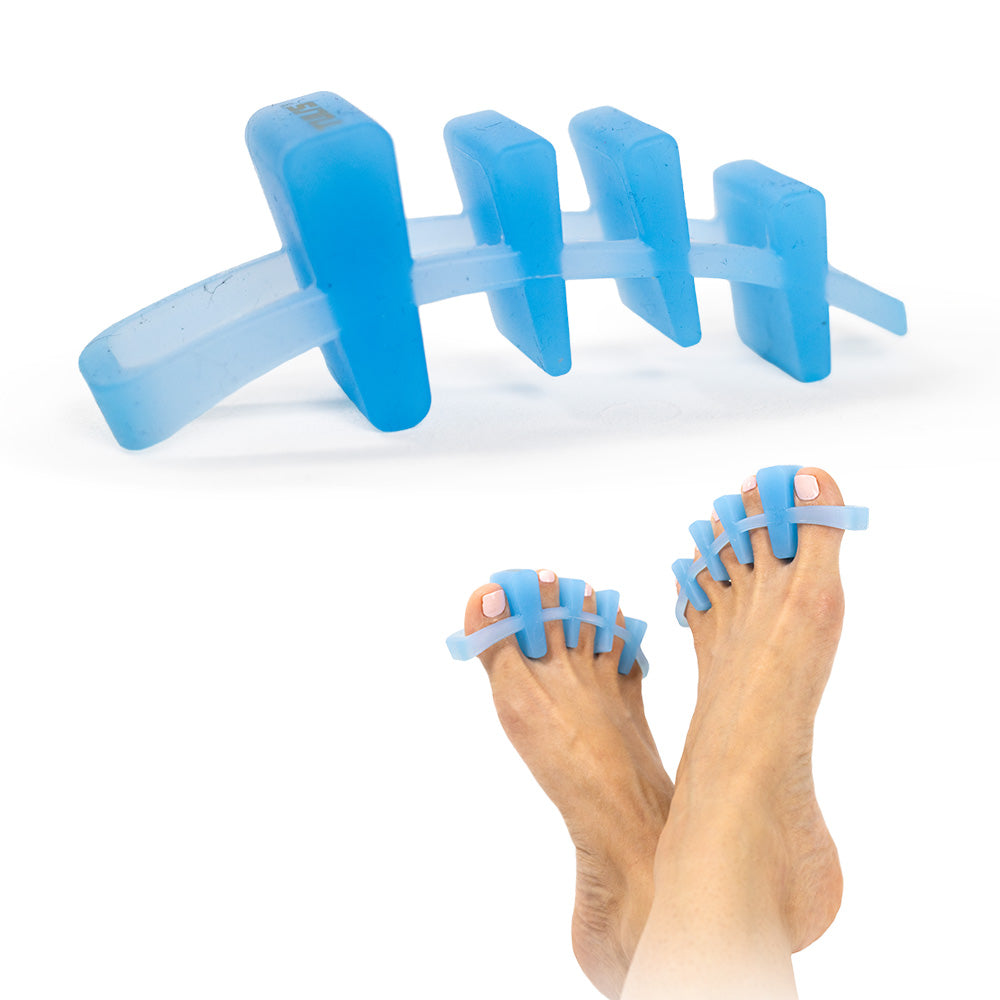
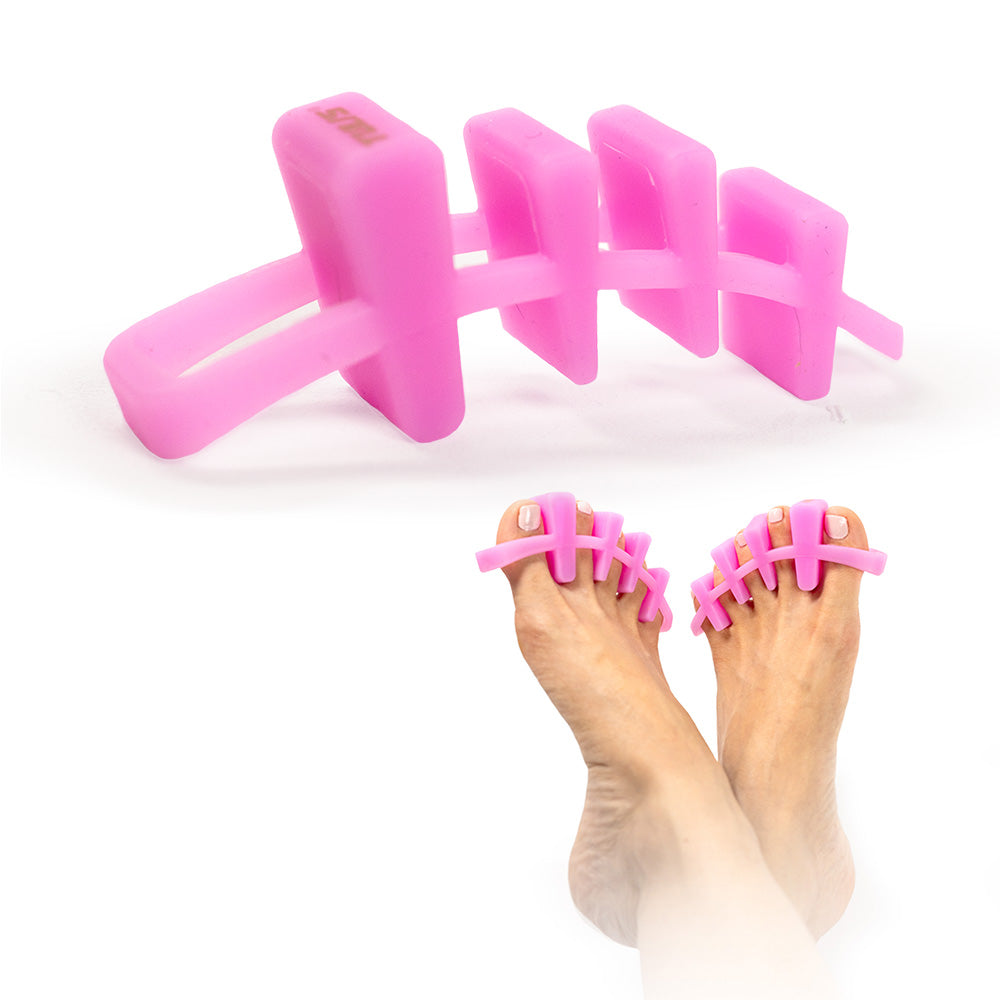
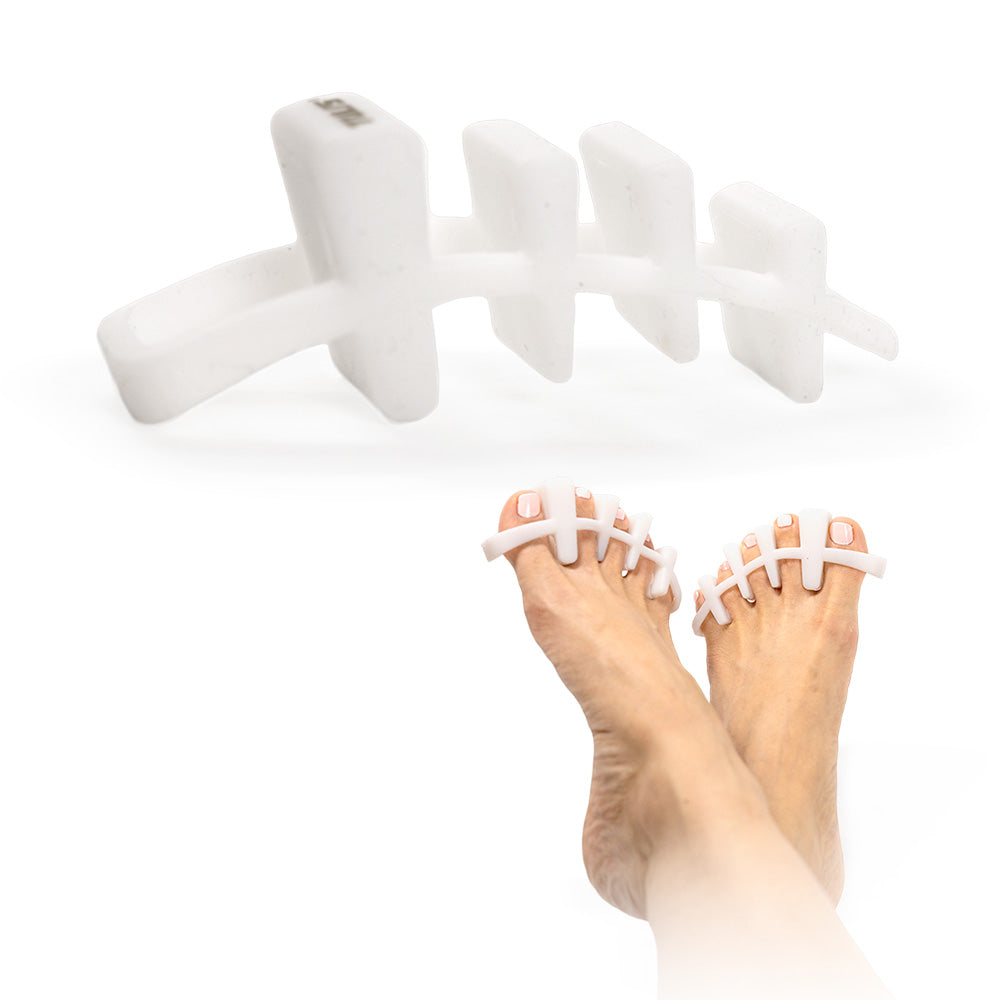
- Toe Alignment Devices - Reduce compression and improve toe positioning.
These solutions are trusted by athletes, healthcare professionals, and individuals seeking effective relief.
How to Prevent Ball of Foot Pain
Preventing ball of foot pain involves reducing stress and maintaining proper foot function.
Helpful strategies include:
- Wearing properly fitted shoes
- Avoiding prolonged use of high heels
- Stretching regularly
- Gradually increasing activity levels
Using supportive insoles when needed.
PLEASE NOTE: The information on this website and article is for information only and should not be used as a substitute for consulting your doctor. Consult your doctor for proper diagnosis and rehabilitation.