



Do you ever feel like there’s a pebble stuck in your shoe, but when you check, there’s nothing there? If so, you might be experiencing Morton’s neuroma. A common foot condition, usually between the third and fourth toes that can cause a tingling or numbness. Let’s break it down so you can understand what it is, why it occurs, and what you can do to find relief.
Morton’s neuroma develops gradually and is often linked to pressure, irritation, or compression of the nerve. While the discomfort can be frustrating, many people find relief with the right combination of footwear changes, support, and targeted care.
At Medi-Dyne, we focus on practical, science-backed solutions that help reduce pressure on the foot, improve comfort, and support long-term recovery, so you can stay active without limits.
What Is Morton’s Neuroma?
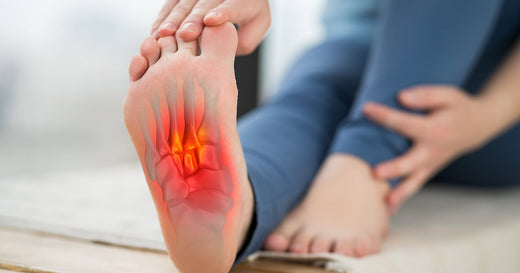
Morton’s neuroma is a condition that involves thickening of the tissue surrounding one of the nerves leading to the toes, most commonly between the third and fourth toes.
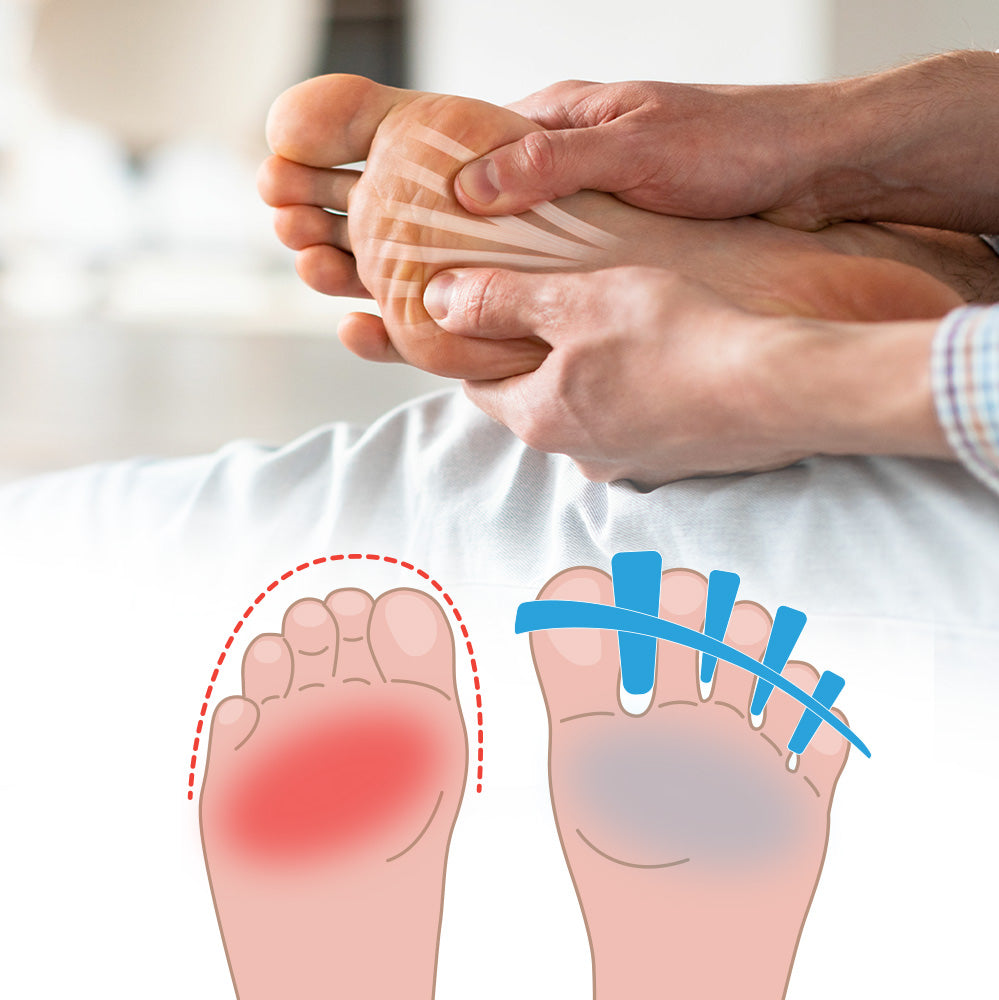
This thickened tissue can compress the nerve, causing pain, tingling, or numbness in the ball of the foot and toes. Although it is referred to as a “neuroma,” it is not a tumor but rather a response to irritation or pressure.
The condition often develops over time and may worsen if the underlying cause is not addressed.
What Causes Morton’s Neuroma?
Morton’s neuroma typically develops from prolonged pressure or irritation to the nerve. Common causes include:
- Wearing tight or high-heeled shoes
- High-impact activities such as running or jumping
- Having flat feet or high arches
- Certain foot shapes or walking patterns
The more your foot is compressed or strained, the greater the likelihood that the nerve will become inflamed.
Symptoms of Morton’s Neuroma
If you have Morton’s neuroma, you might feel like there’s a pebble or fold in your sock under the ball of your foot, even when there’s nothing there. The most common symptoms include a sharp, burning pain between your toes. Usually, the third and fourth toes are along with tingling, numbness, or a strange “pins and needles” feeling. Some people also feel a popping or clicking sensation when they walk. The discomfort often worsens when you wear tight shoes or stand for a long time.
Who Is Affected? While anyone can develop Morton’s neuroma, it is more common in:
- Women (especially those who wear heels or narrow shoes)
- Runners and athletes
- Individuals aged 30 to 60
Symptoms often develop gradually and may come and go before becoming more persistent.
Common symptoms include:
- Burning or sharp pain in the ball of the foot
- Tingling or numbness in the toes
- A sensation of stepping on a pebble or folded sock
- Pain that worsens when wearing tight shoes
- Relief when removing shoes or massaging the foot
Many people notice that symptoms improve temporarily when pressure is removed but return during activity.
How to Treat Morton's Neuroma
How Is It Diagnosed?
A doctor or foot specialist, known as a podiatrist, typically diagnoses Morton’s neuroma by:
- Discussing your symptoms
- Pressing on your foot to check for tenderness
- Performing imaging tests like an ultrasound or MRI if necessary
How Can You Treat Morton’s Neuroma at Home?
Good news: many people find relief through simple changes. Here are some strategies you can try:
For Immediate Relief
Support and Cushion Products:
- Wear Appropriate Shoes - Choose a wide-toe shoe with good arch support and adequate cushioning to reduce pressure.
- Use Orthotic Inserts or Pads - Consider getting special pads or arch supports that help alleviate pressure on the nerve.
Recommended product:
 Tuli's® Metatarsal Cushions ★★★★★Offer maximum shock absorption for the balls of your feet with a combination of Tuli's multi-cell design and TuliGEL™ material. |
For Long-Term Healing
Stretching Products:
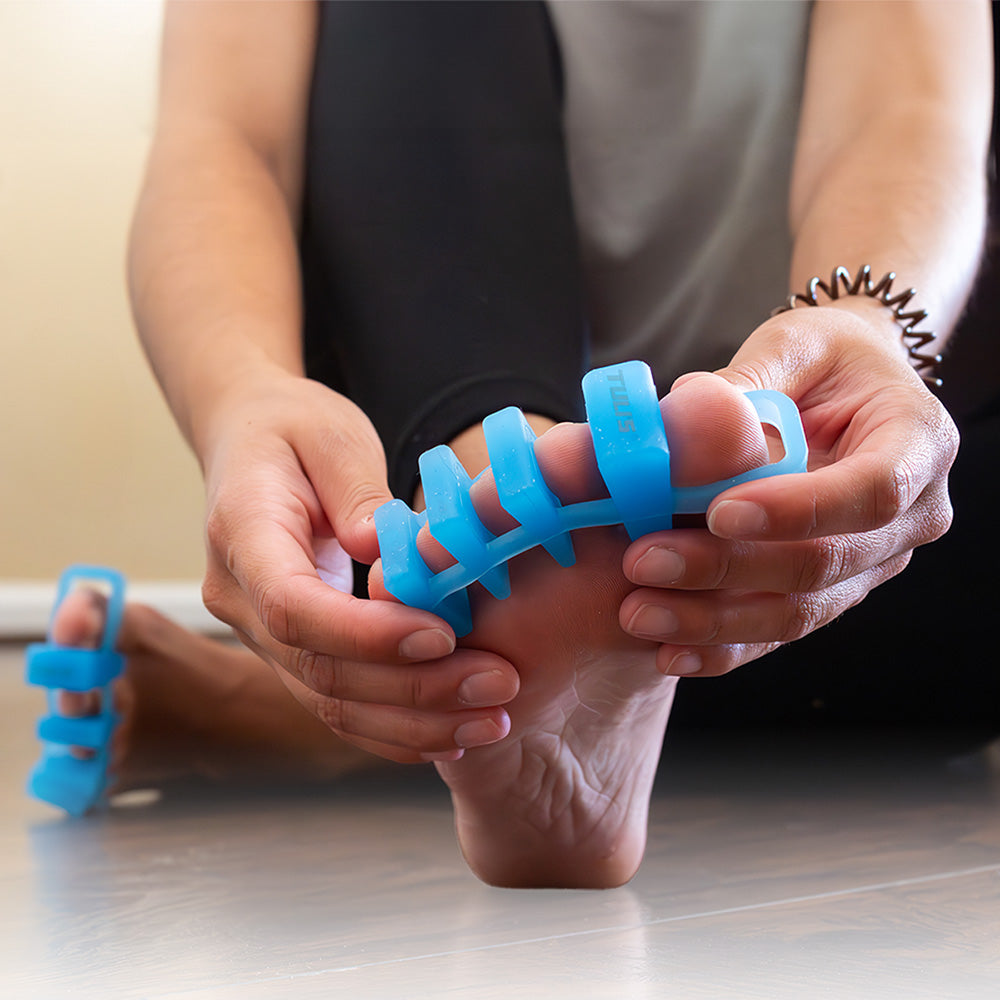
Perform Gentle Stretches - Stretching your toes and foot muscles can help decrease tension and irritation.
Recommended product:
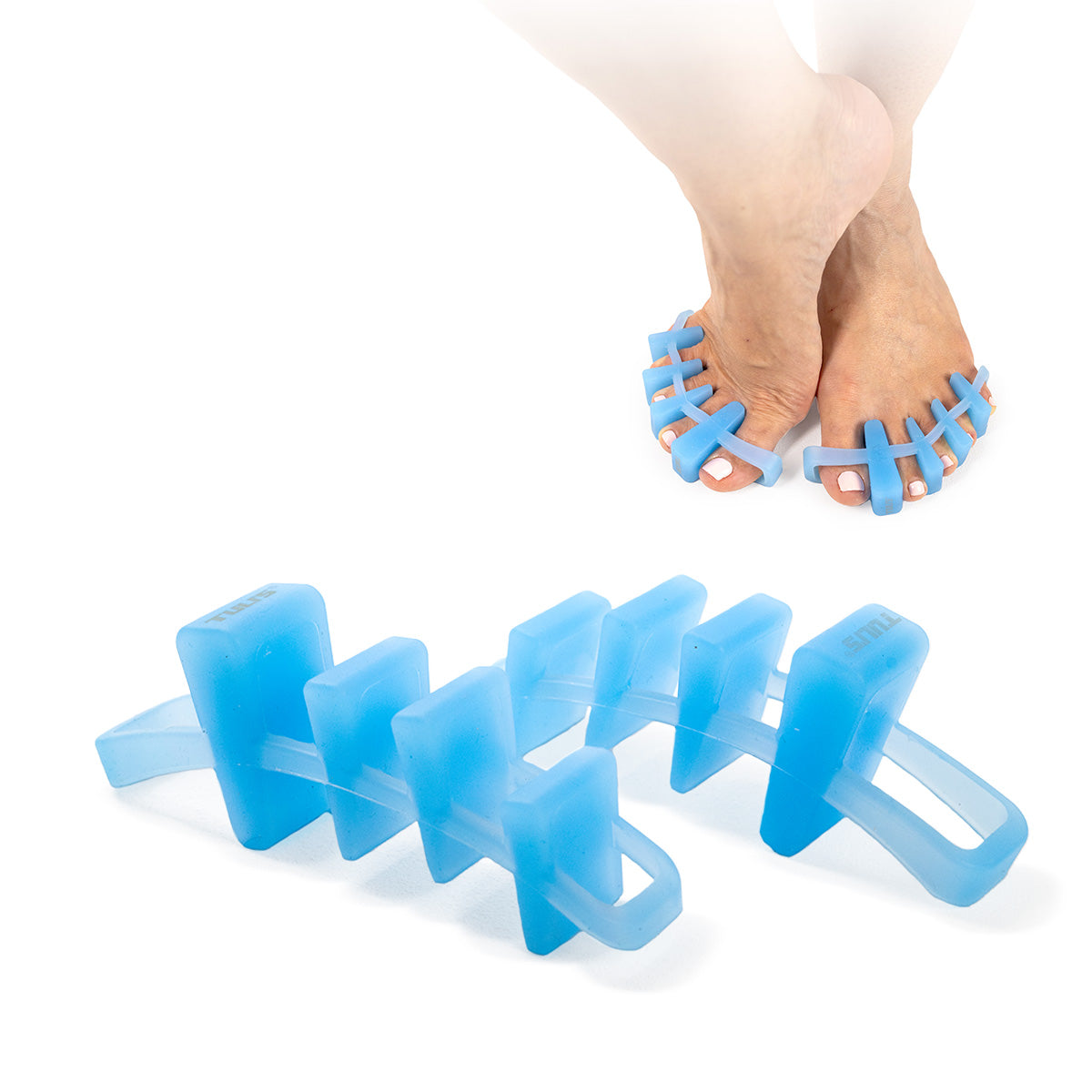
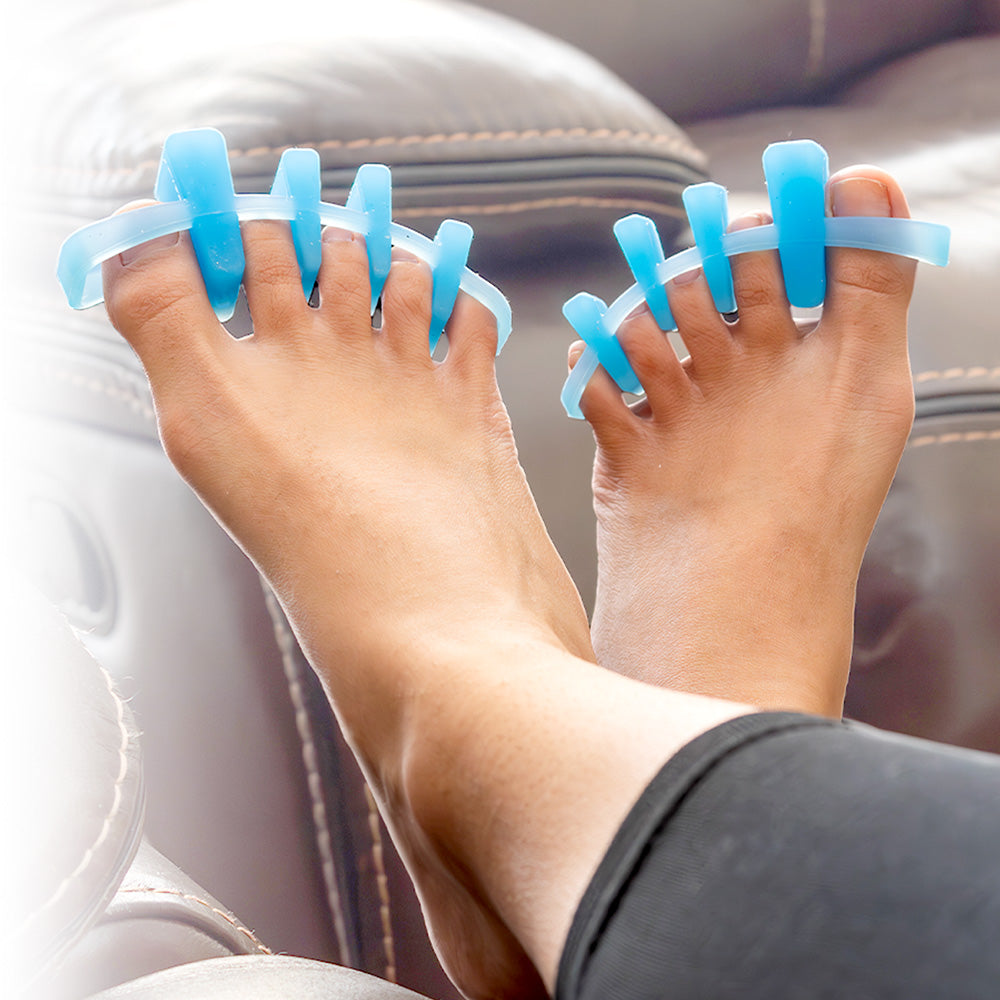
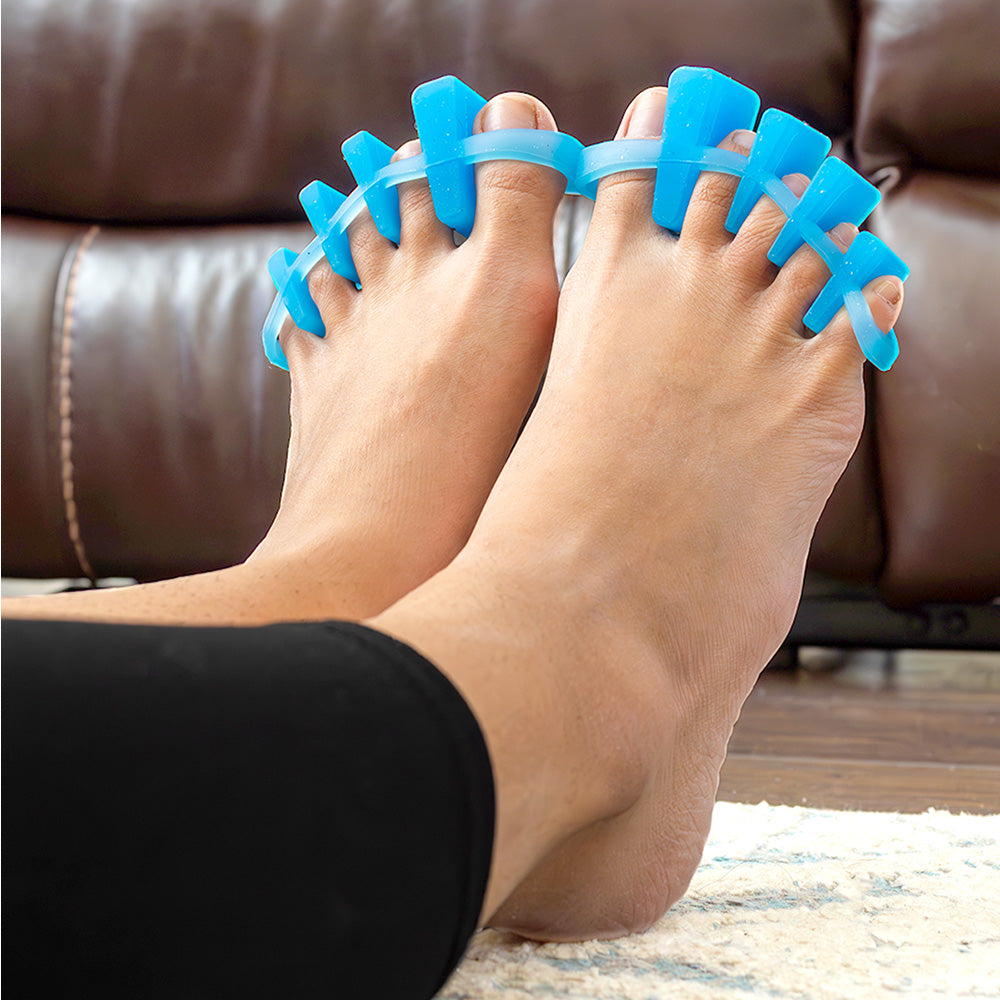
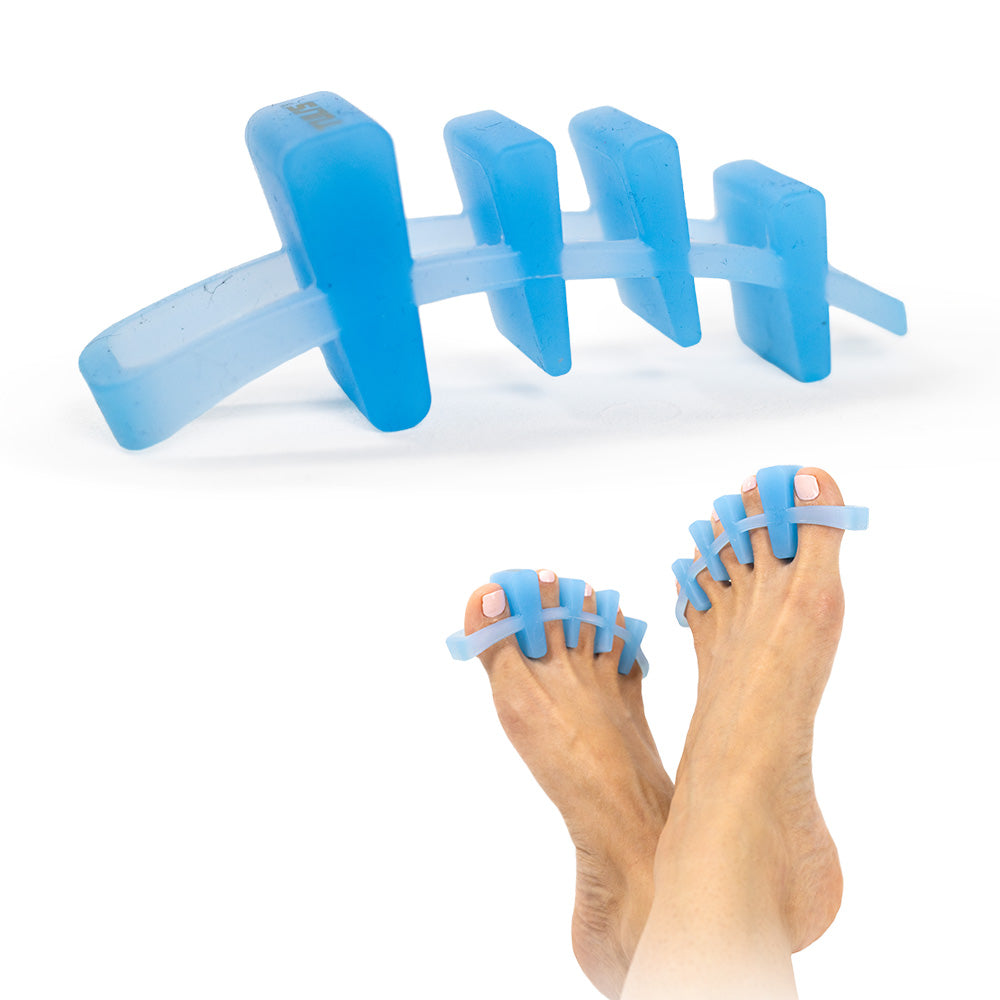
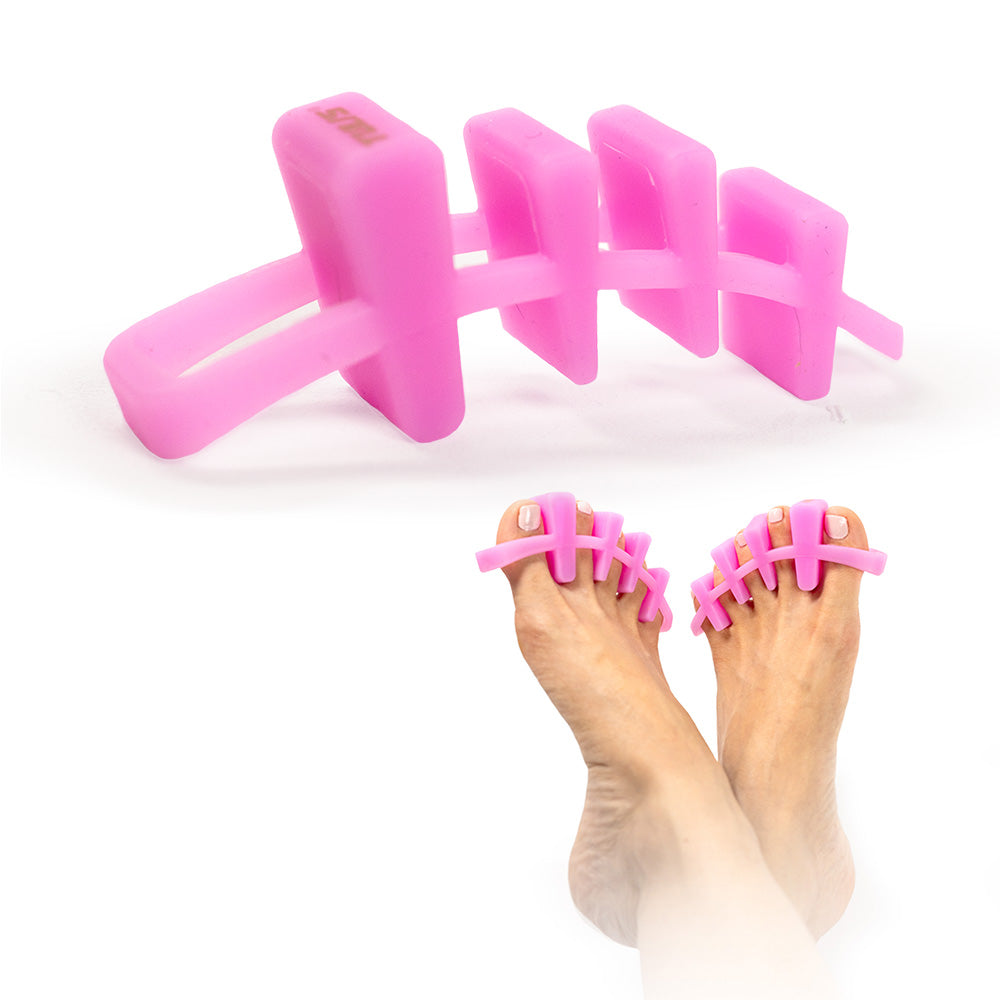
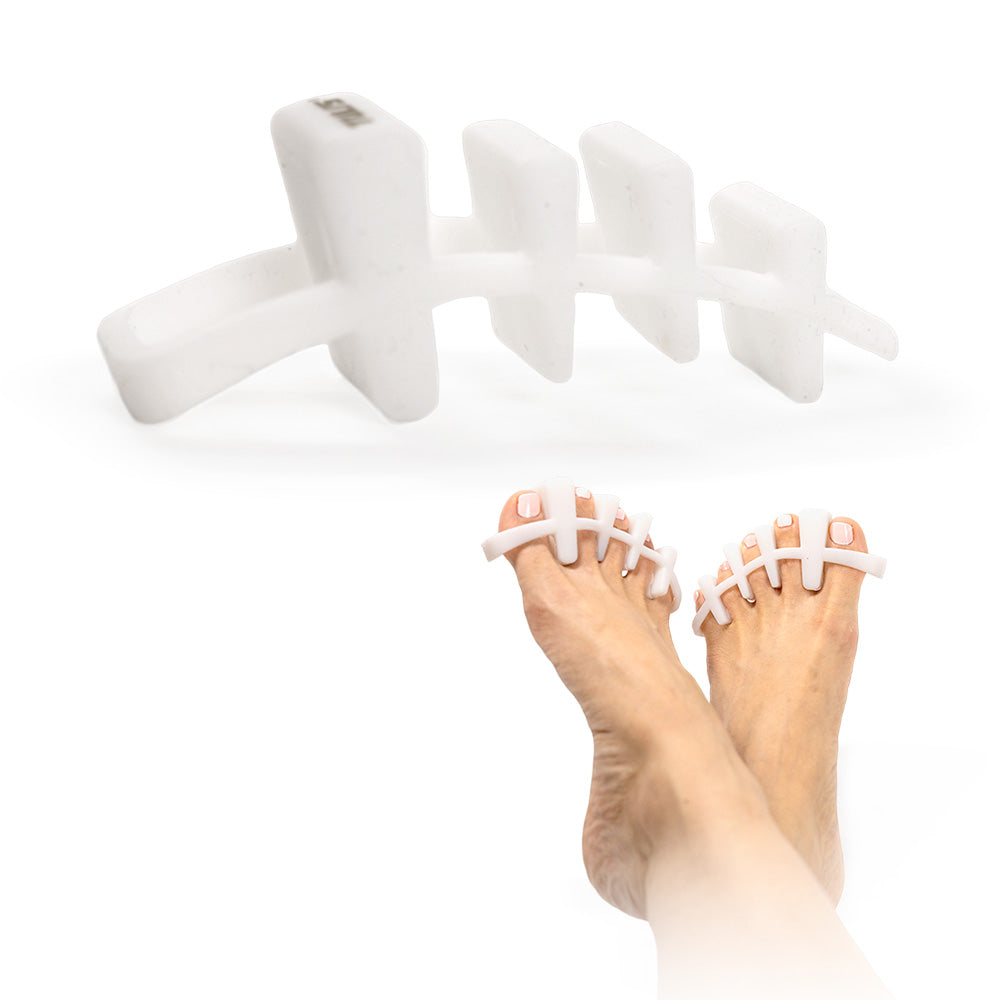
 Tuli's® Soft Moves™ Adjustable Toes SeparatorsFeature a patent-pending adjustable design, giving you full control over how much your toes are separated so you can ease into the perfect stretch at your own pace. |
Massage Products:
Massage Your Foot - Gently massaging the area can improve circulation and relieve tight tissues and take Breaks from High-Impact Activities - Give your feet time to recover, especially if you engage in sports that place pressure on the ball of your foot.
Recommended products: ProStretch® Footy Massage Ball
 ProStretch® Footy™ Massage BallsThe ProStretch Footy massage ball features tiny knobs that connect deeply with the plantar fascia to provide relief for both, muscle tightness, and soreness. |
When to See a Doctor
If your pain persists or recurs frequently, it’s wise to consult a doctor. You may need:
- Cortisone injections to reduce inflammation
- Physical therapy
- In rare cases, surgery to remove the thickened tissue
How to Prevent Morton’s Neuroma
You can lower your risk by:
- Wearing well-fitting shoes that provide ample space for your toes
- Avoiding high heels and tight shoes for extended periods
- Using cushioning or arch support inserts
- Regularly stretching and massaging your feet
Morton’s neuroma can be painful, but it doesn’t have to control your life. By making simple adjustments to your footwear and taking care of your feet, you can feel more comfortable and remain active. If the pain persists, don’t hesitate to seek medical advice to find the relief you deserve.
PLEASE NOTE: The information on this website and article is for information only and should not be used as a substitute for consulting your doctor. Consult your doctor for a proper diagnosis and rehabilitation.