


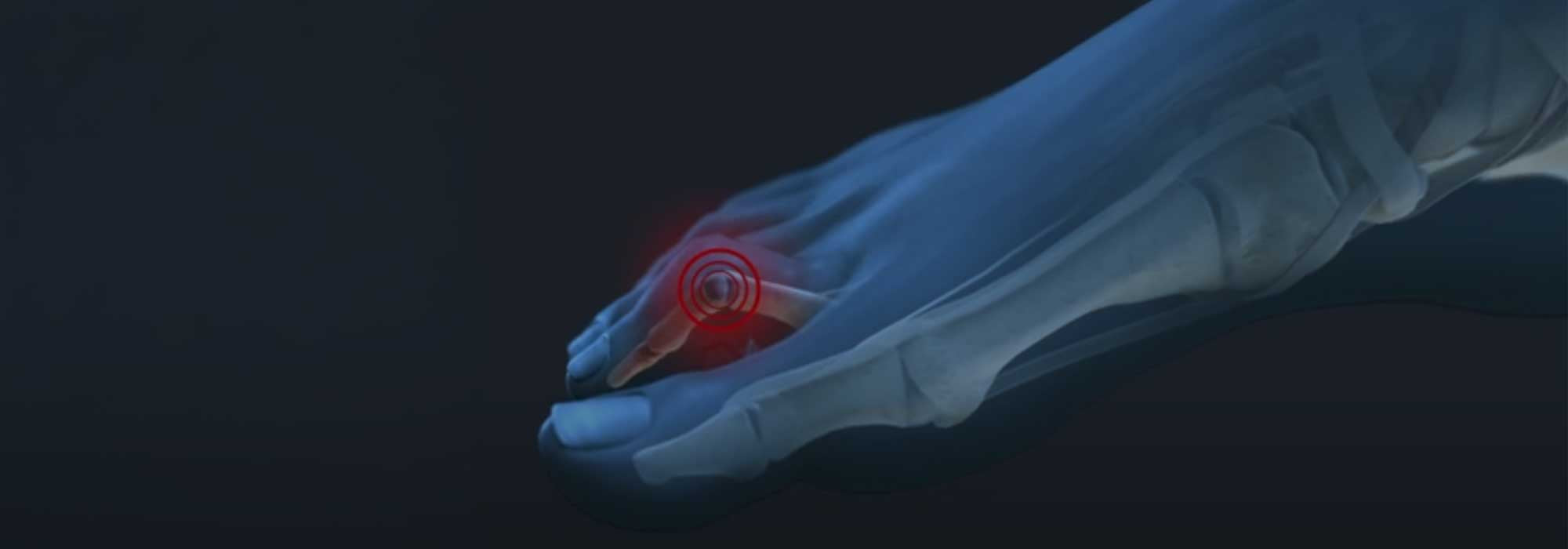

Hammertoe deformity is a condition that is characterized by an abnormal bend in the middle joint of a toe. While a hammertoe deformity is frequently found in the second toe (the toe after your big toe), it is also known to affect individuals in their third and fourth toes as well.
In a hammertoe deformity, the toe's middle joint is bent at an angle and is caused by several different factors. While the estimated prevalence of hammertoe deformity currently sits between 1-10% in the United States, research has shown that it affects women more often than men, and the frequency of the condition is also higher in older age groups.
What Is Hammertoe?
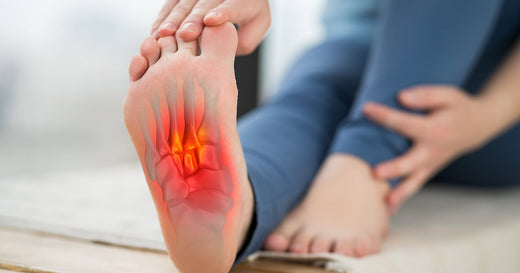
Hammertoe is a deformity that affects the second, third, or fourth toe. It occurs when the toe bends downward at the middle joint instead of lying flat. In the early stages, the toe may still be flexible.
Over time, the joint can become rigid, making it more difficult to straighten. Hammertoe often develops gradually and may begin with minor discomfort before progressing to more noticeable pain and pressure.
What Causes Hammertoe?
Studies are still underway to help better determine what causes hammertoe deformities, but current theories suggest that the condition is brought on by one or more of the following factors: genetics, arthritis, diabetes, or a lack of proper foot care.
Hammertoe deformities generally occur due to repeated pressure on the forefoot caused by improper footwear. This pressure may occur when the toes are forced to bend or curl inward, causing the middle joints to be bent in an unnatural position.
Hammertoe is typically caused by an imbalance between the muscles, tendons, and ligaments that control the toe.
Tight or Ill-Fitting Shoes
Shoes that are too tight or narrow can force the toes into a bent position, increasing pressure on the joints.
Muscle Imbalance
When the muscles controlling the toe become unbalanced, one side may pull more than the other, causing the toe to bend abnormally.
High Heels
Frequent use of high heels can shift body weight forward, placing added pressure on the toes.
Foot Structure
Certain foot shapes, such as high arches, may increase the likelihood of developing hammertoe.
Injury or Trauma
Previous toe injuries can affect joint alignment and contribute to deformity.
Symptoms of Hammertoe
Symptoms can vary depending on severity, but often include:
- A bent or curled toe
- Pain when wearing shoes
- Corns or calluses on the top of the toe
- Redness or swelling
- Difficulty moving the toe
- Pressure or irritation during walking
As the condition progresses, the toe may become stiff and more difficult to treat without intervention.
An untreated hammertoe deformity usually leads to the middle joint of the affected toe becoming inflamed and irritated. In many cases, this inflammation and irritation can lead to chronic pain and an increased risk of infection.
The treatment of hammertoe deformities varies and is dependent on the severity of the condition. If you are looking to treat your hammertoe deformity, we recommend that you speak to a podiatrist or physician.
When left untreated, hammertoe deformities can lead to several complications, including:
- Blisters
- Calluses
- Corns
- Ingrown toenails
- Infection
- Painful bunions
- Severe pain
If you experience any of these symptoms, it is essential that you seek the advice of a medical professional.
Many people who suffer from hammertoes do not realize that they are suffering from the condition until the disorder becomes severe enough to cause them pain. For instance, many people do not realize that they suffer from hammertoes until they suffer from a related condition, such as a painful bunion or corn. In some cases, however, the hammertoe deformity itself can cause pain.
Day-to-day activities are greatly affected by hammertoes. In many cases, people who suffer from the condition will be unable to participate in certain activities because of the pain their hammertoes cause them. For instance, many who suffer from hammertoes may be unable to take long walks, hike or run. Hammertoes can also cause individuals to walk with a limp, which can cause the person's body to become out of alignment and lead to muscle strains or other injuries.
How to Treat Hammertoe
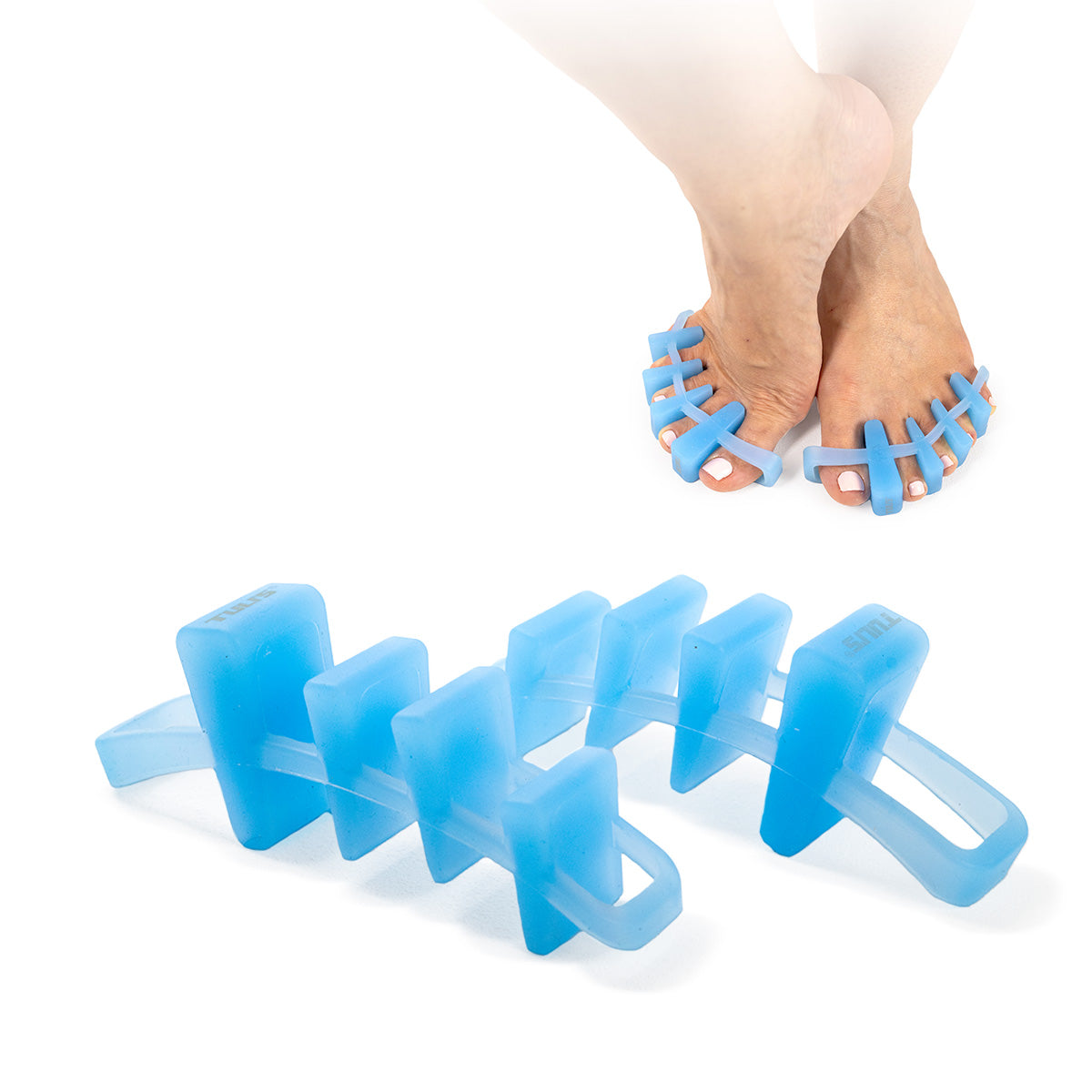
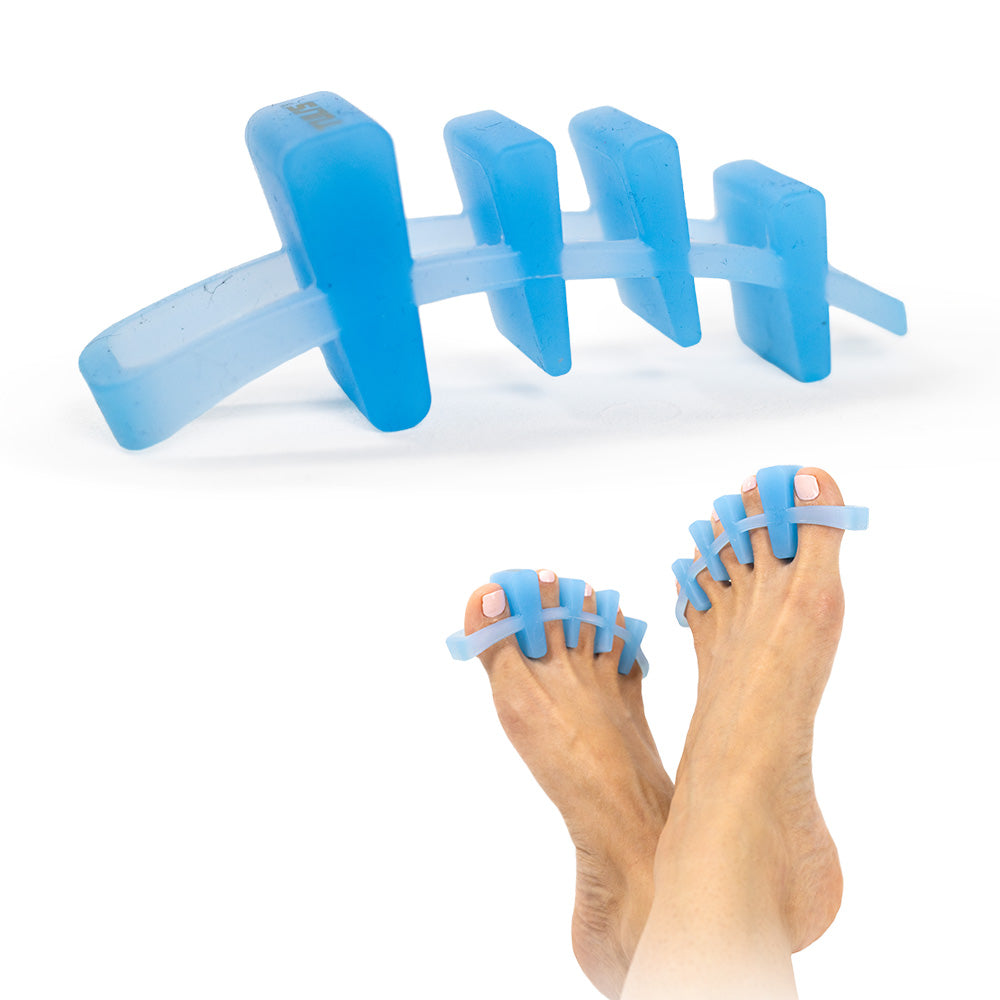
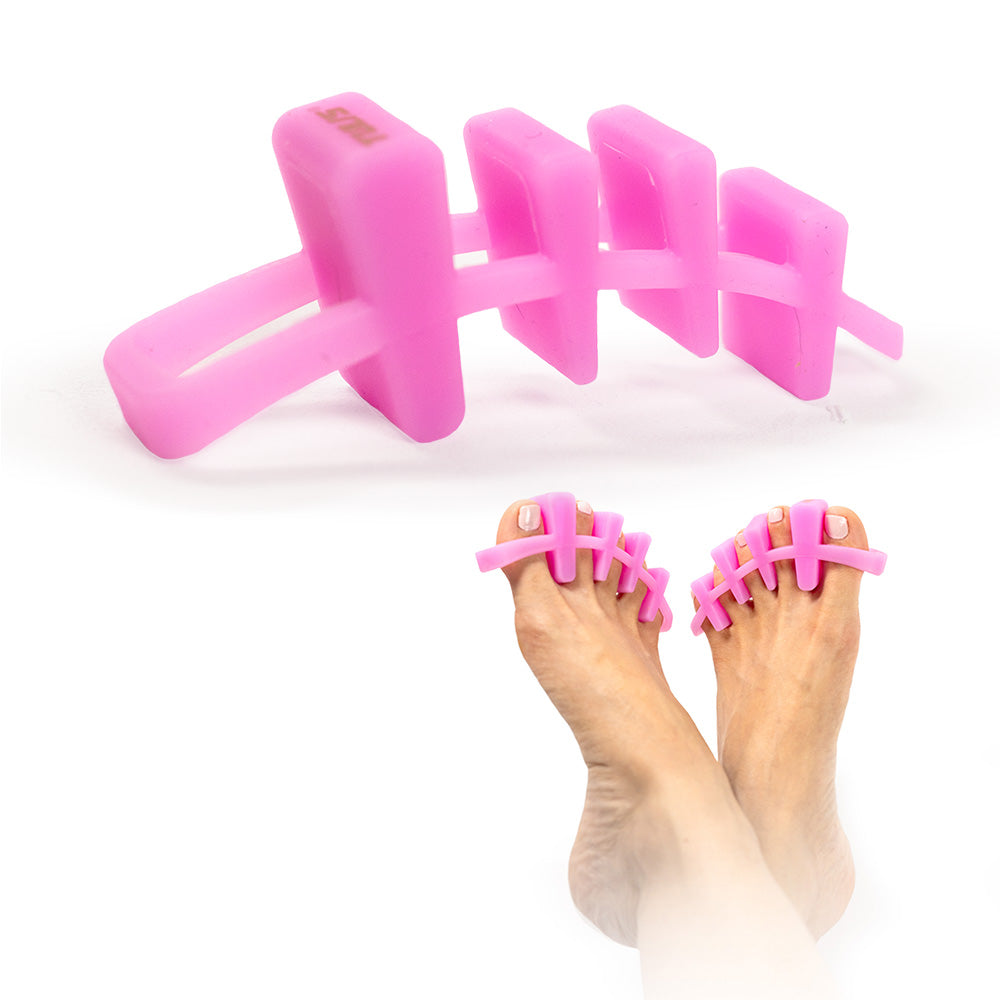
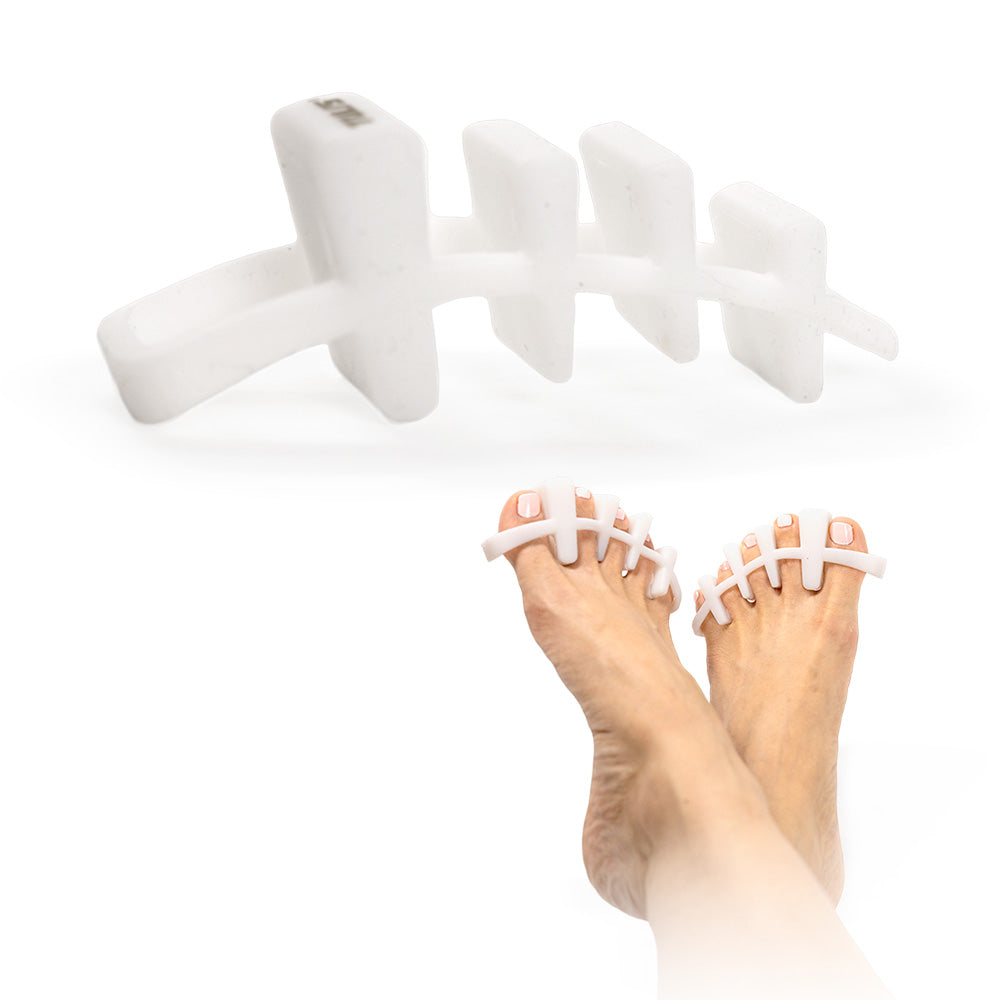
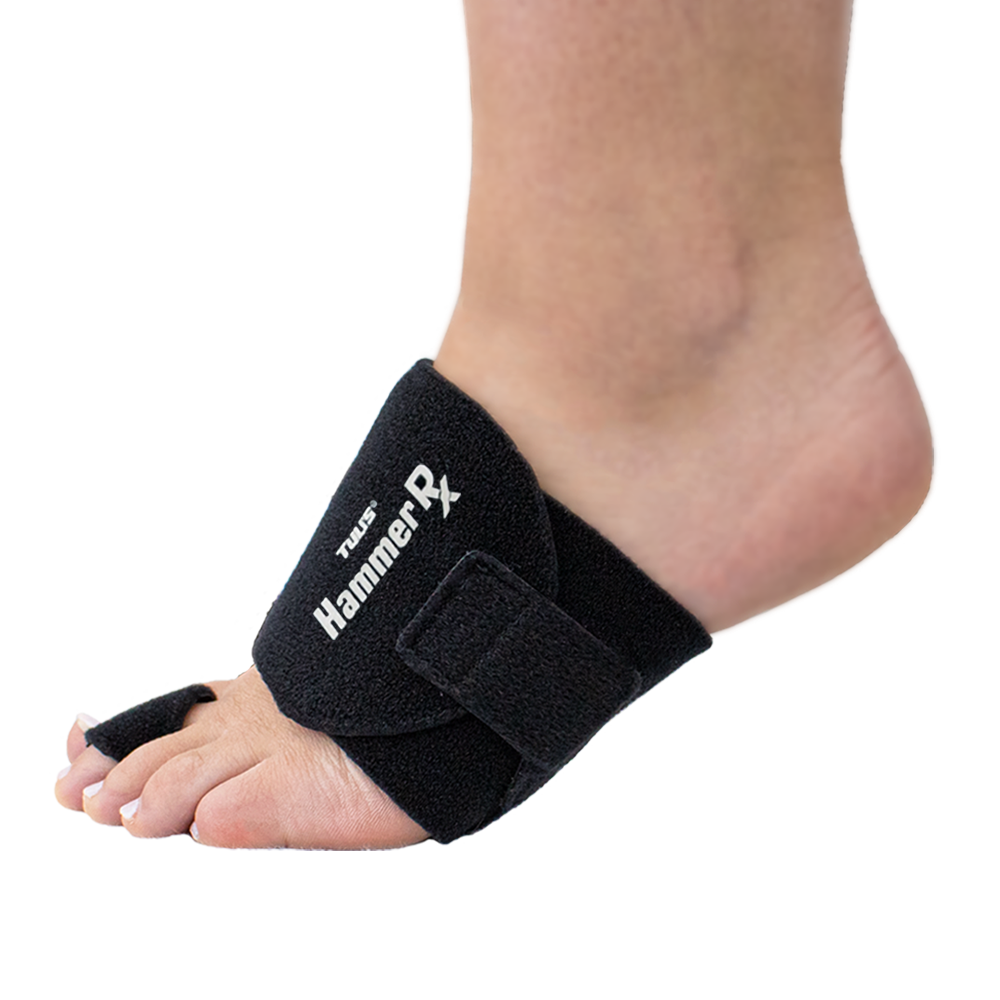
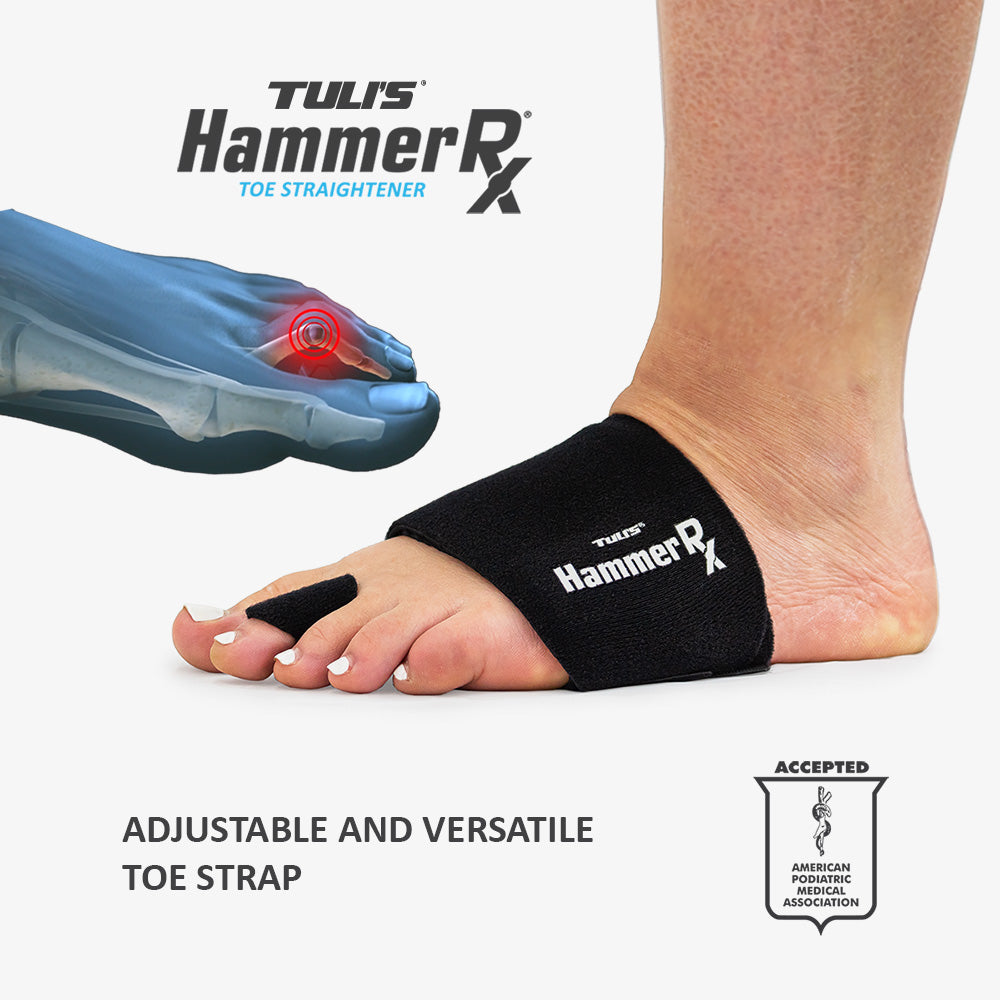
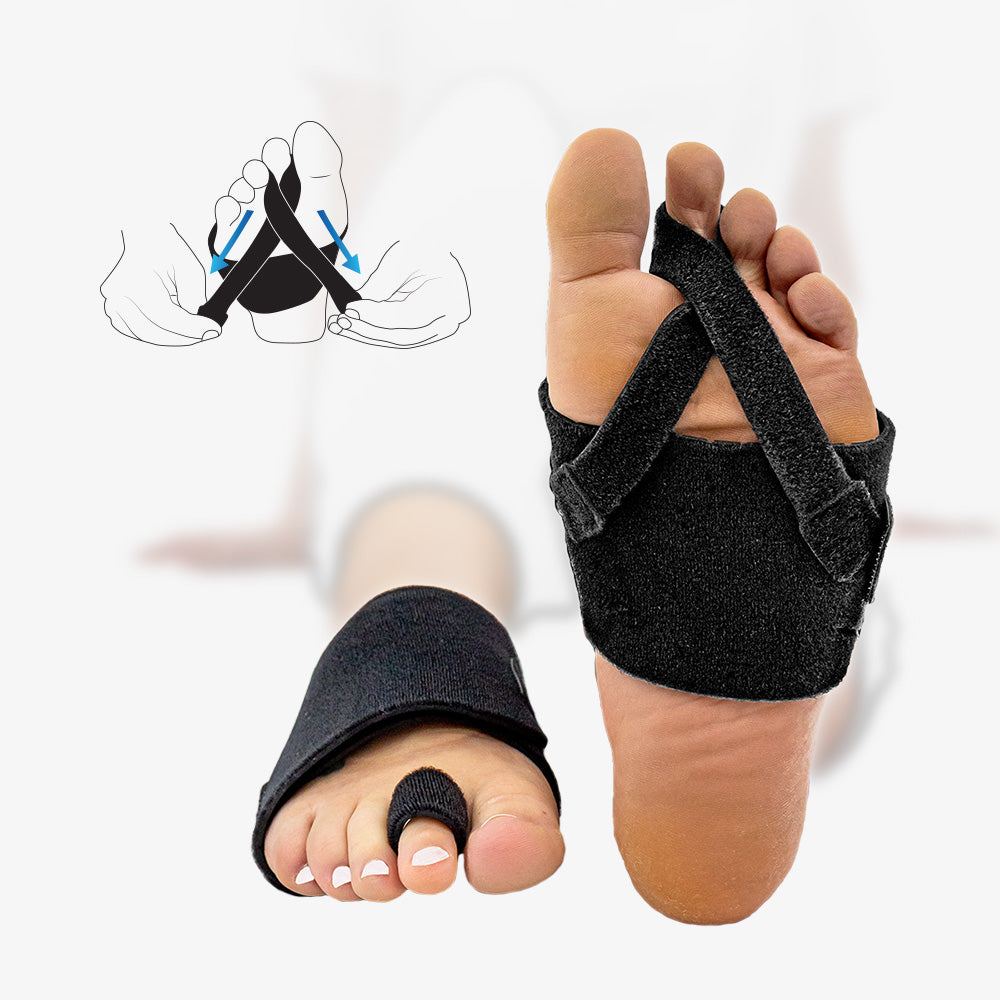
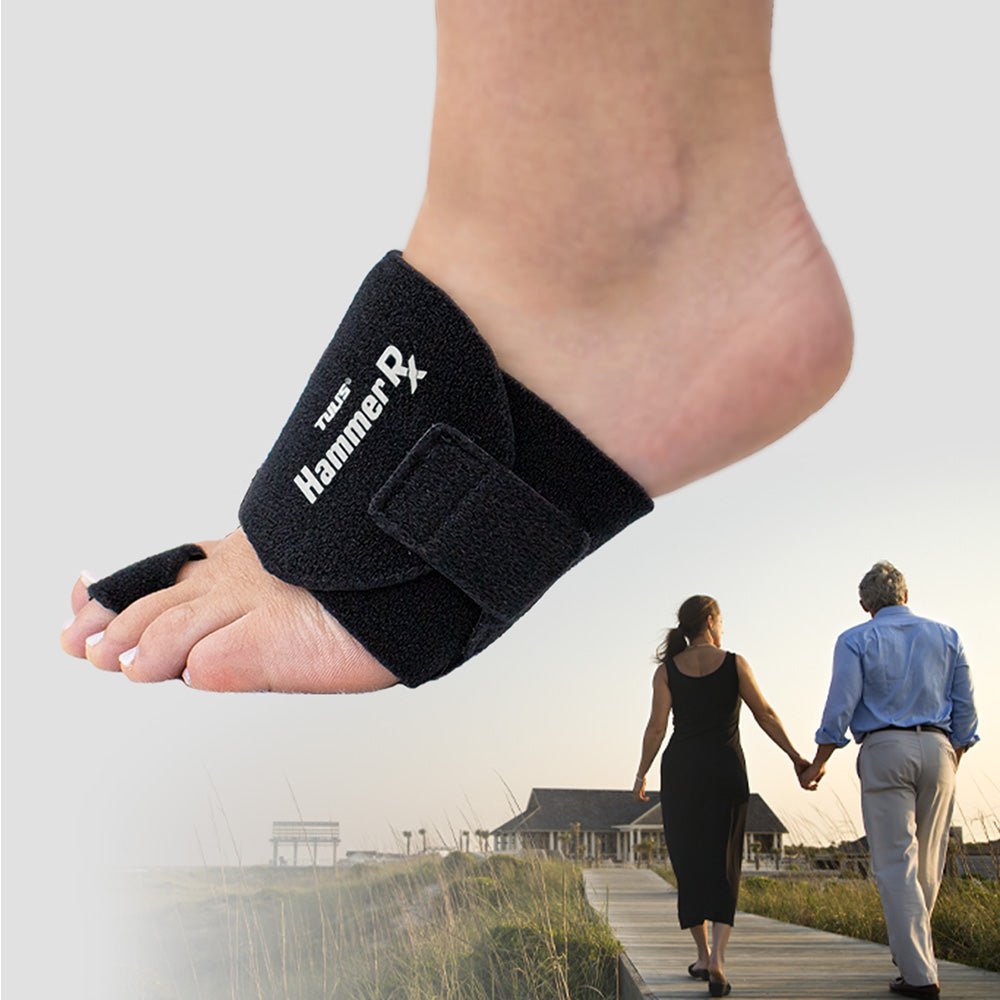
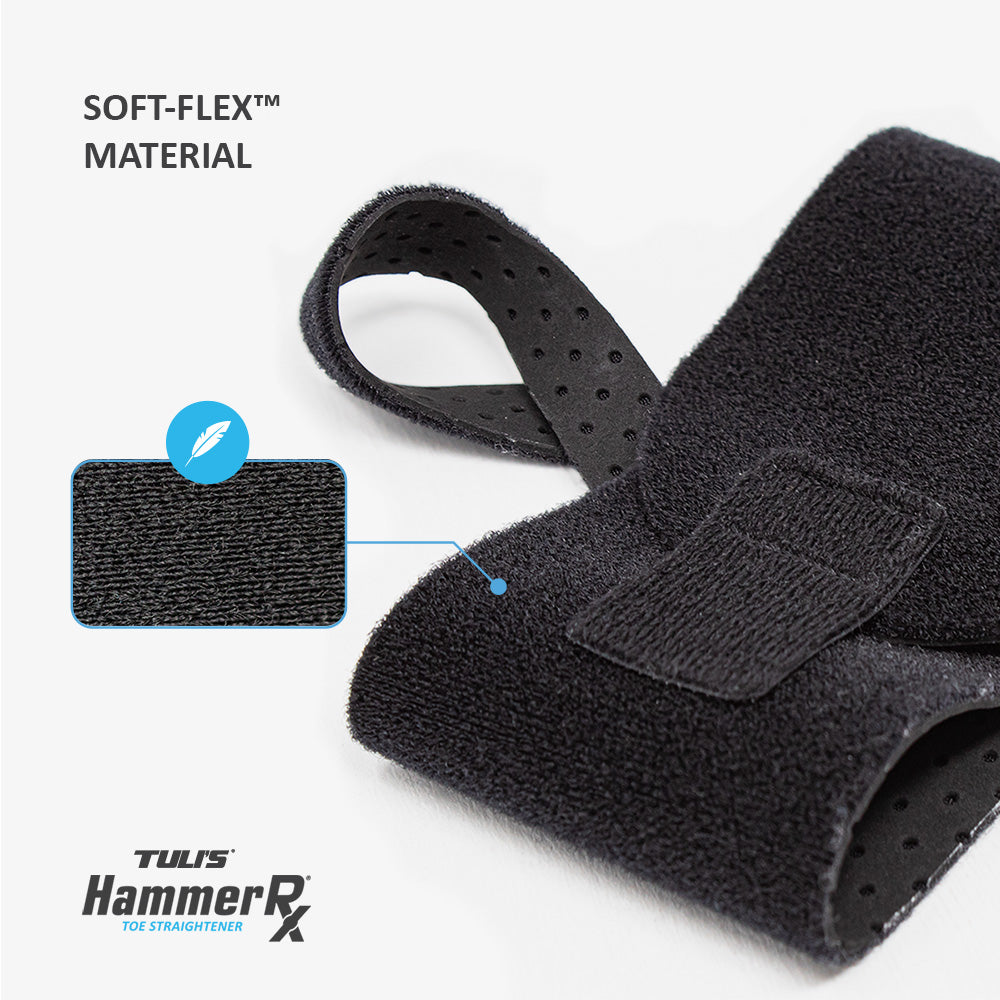
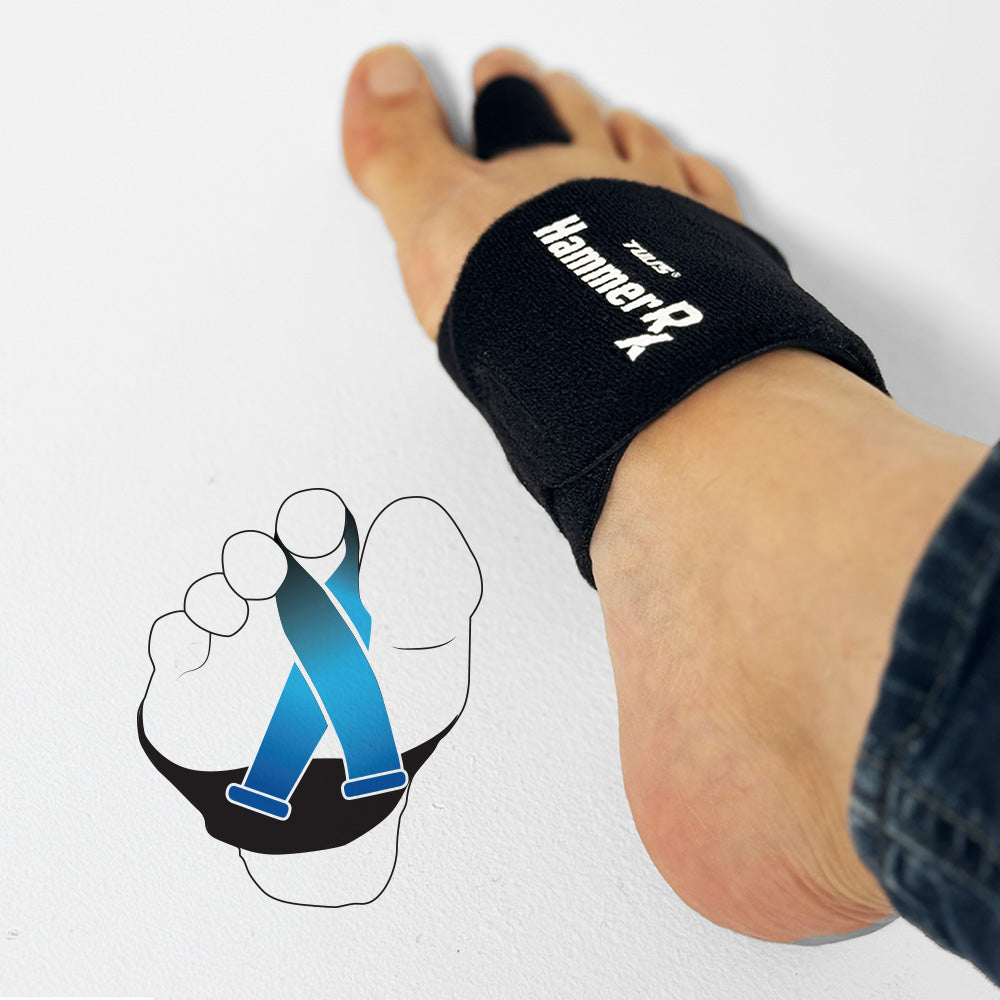
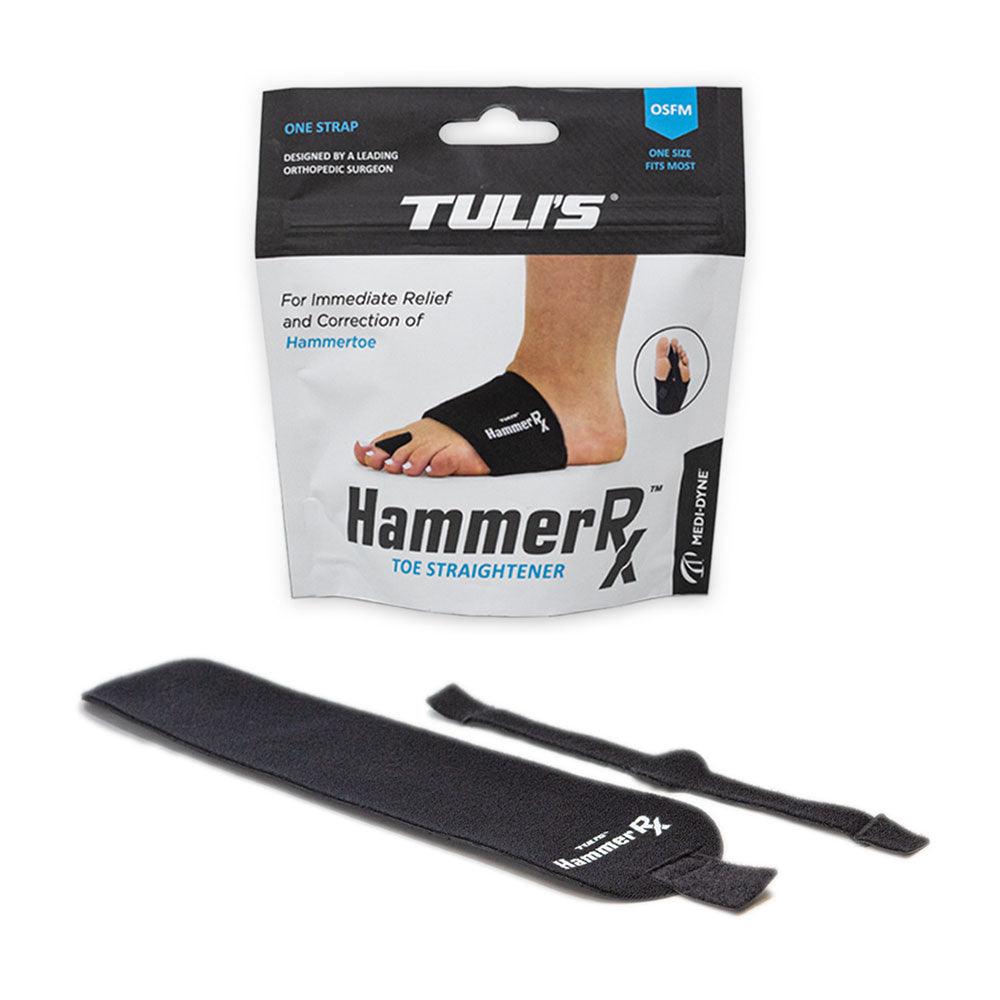
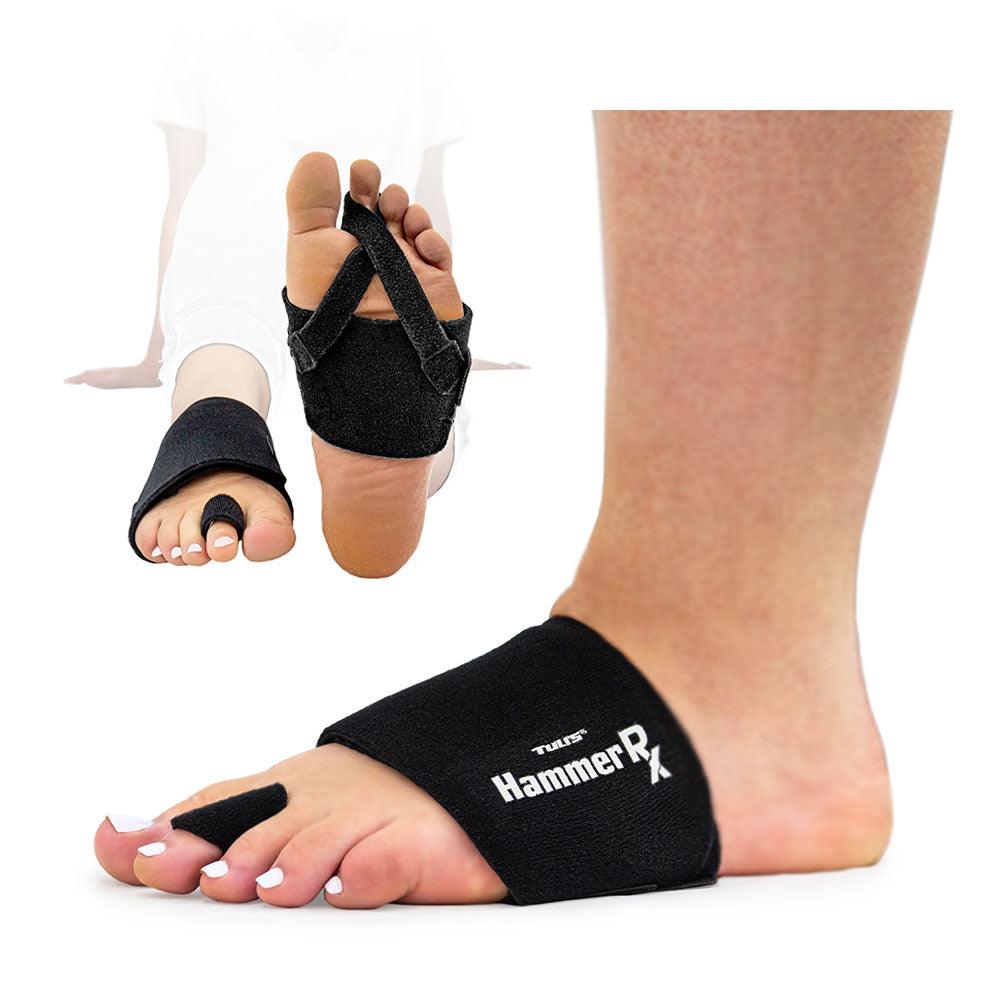
In most cases, however, the treatment of hammertoe deformities is relatively straightforward and involves using a toe straightener, such as the Tuli's HammerRx Toe™ Straightener. Devices such as these can help to gradually straighten the bent middle joint of the toe and prevent the condition from becoming worse.
It is crucial that you speak to a podiatrist or physician if you suspect that you may be suffering from a hammertoe deformity. Self-diagnosing and treating can lead to improper care and could even result in further injuries. A medical professional will examine your feet and determine whether or not you are suffering from the condition.
After a diagnosis has been made, your physician or podiatrist will typically recommend a tailored treatment plan for your specific condition. Many of the treatments commonly used to treat hammertoes are non-invasive and do not require surgery.
Looking for hammertoe correction without undergoing surgery? We highly recommend our Tuli's HammerRx™ Toe Straightener.
Early treatment can help relieve symptoms and prevent the condition from worsening.
Footwear Changes
Switching to shoes with a wider toe box can reduce pressure and allow the toes to rest in a more natural position.
Padding and Protection
Protective padding can reduce friction and prevent irritation caused by shoe contact.
Toe Alignment Support
Devices designed to gently hold the toe in a more natural position can help reduce strain and improve comfort during daily activities.
Stretching and Strengthening
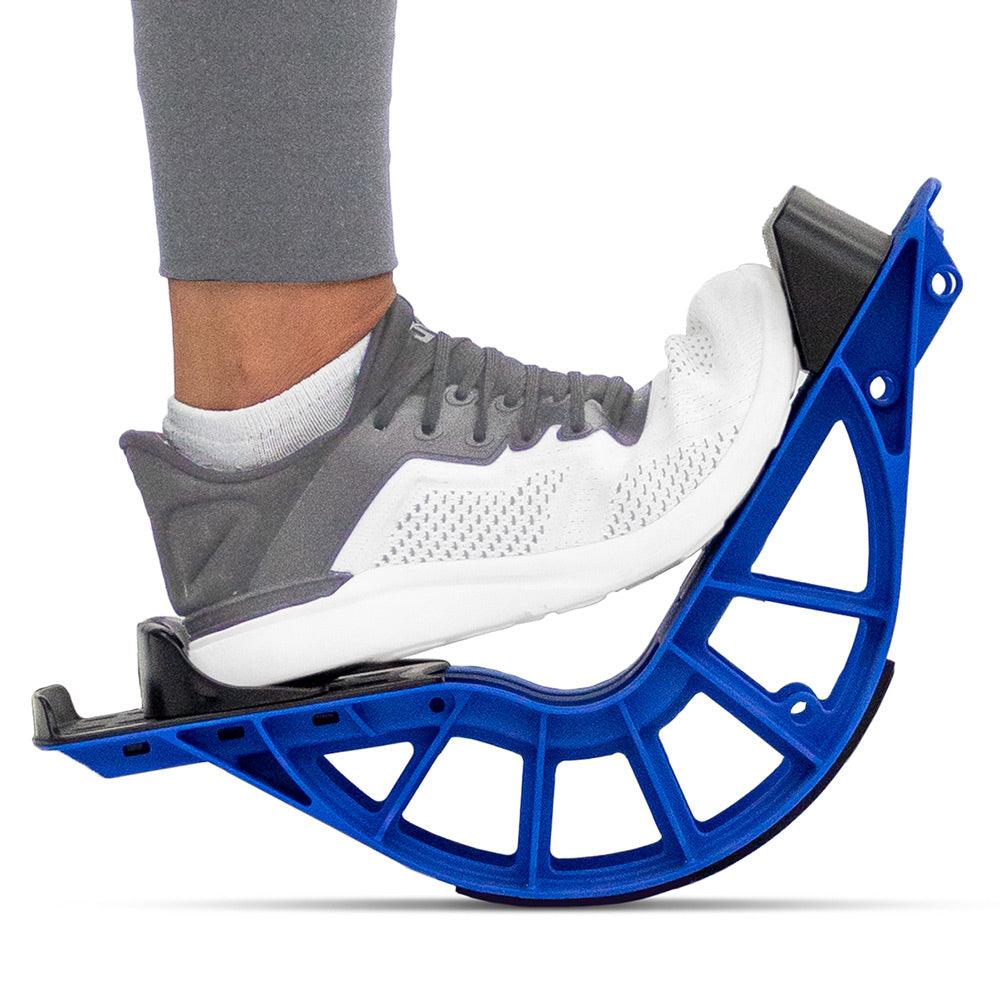
Exercises that improve flexibility and strengthen the foot muscles can help restore balance and reduce progression.
Activity Modification
Reducing activities that place excessive pressure on the toes may help manage discomfort.
Exercises for Hammertoe Relief
Simple exercises can help improve flexibility and strengthen the muscles that support proper toe alignment.
Toe Stretch
- Sit comfortably and gently pull the affected toe into a straight position.
- Hold for 10–15 seconds and repeat several times.
Towel Scrunches
- Place a towel flat on the floor.
- Use your toes to scrunch the towel toward you.
- This exercise strengthens the small muscles in the foot.
Marble Pickup
- Place small objects like marbles on the floor.
- Pick them up using your toes.
- This helps improve toe control and coordination.
Products That Help Support Toe Alignment
Supportive products can help reduce pressure and encourage better toe positioning throughout the day.
Medi-Dyne offers innovative solutions designed to improve comfort and support natural alignment.
Examples include:
- Toe Alignment Devices (e.g., Tuli's HammerRx) - Designed to gently guide the toe into a more natural position while maintaining comfort.
- Protective Padding - Helps reduce friction and irritation caused by footwear.
- Supportive Insoles - Improve foot mechanics and reduce pressure on the forefoot.
These solutions are trusted by healthcare professionals and individuals seeking effective, non-invasive support.
How to Prevent Hammertoe
Preventing hammertoe involves reducing pressure on the toes and maintaining proper foot function.
Helpful strategies include:
- Wearing properly fitting shoes with a wide toe box
- Avoiding prolonged use of high heels
- Performing regular foot exercises
- Maintaining flexibility in the toes and foot muscles
- Addressing discomfort early before it progresses
PLEASE NOTE: The information on this website and article is for information only and should not be used as a substitute for consulting your doctor. Consult your doctor for proper diagnosis and rehabilitation.