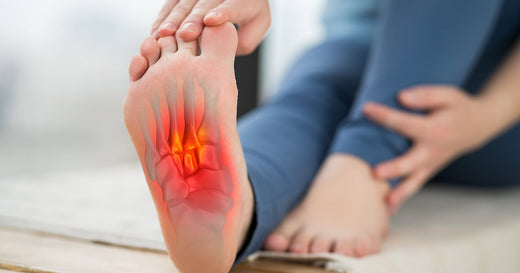






The Achilles tendon attaches the calf muscle to the heel bone. Achilles tendinitis is a repetitive strain (overuse) injury involving lower leg muscles and tendons at the point where they attach to the bone, resulting in pain at the back of the ankle. Chronic overuse can lead to small tears within the tendon causing long-term weakening, making the tendon susceptible to rupture, which could result in a need for surgery. See our Achilles Tendinitis exercises for more information on how to help ease your pain.
Achilles Tendinitis Quick Facts
- The Achilles tendon is the largest tendon in the body
- Achilles tendinitis is one of the most common causes of heel pain
- It frequently affects runners, walkers, and active adults
- Symptoms often worsen after activity or in the morning
- Early treatment can help prevent tendon degeneration or rupture
Achilles Tendinitis Causes
Lack of flexibility and overpronation are two of the most common causes of chronic Achilles tendinitis. Achilles tendinitis may be caused by a single incident of overstressing the tendon, or it may result from a series of stresses that produce small tears over time (overuse).
- Overuse and Repetitive Stress - Running, jumping, and high-impact activities can place repeated strain on the Achilles tendon.
- Tight Calf Muscles - Limited flexibility in the calf muscles increases tension on the tendon.
- Improper Footwear - Shoes with poor support or worn-out cushioning may increase stress on the heel and Achilles tendon.
- Sudden Increase in Activity - Rapidly increasing workout intensity or distance can overload the tendon.
Common Symptoms of Achilles Tendinitis
- Pain along the back of the heel
- Stiffness in the Achilles tendon
- Tenderness when touching the tendon
- Swelling or thickening of the tendon
- Pain that worsens after activity
Conditions Related to Achilles Tendon Pain
- Achilles tendinitis
- Achilles tendinosis
- Achilles tendon rupture
- Haglund’s deformity
- Retrocalcaneal bursitis
Treatment Options for Achilles Tendinitis
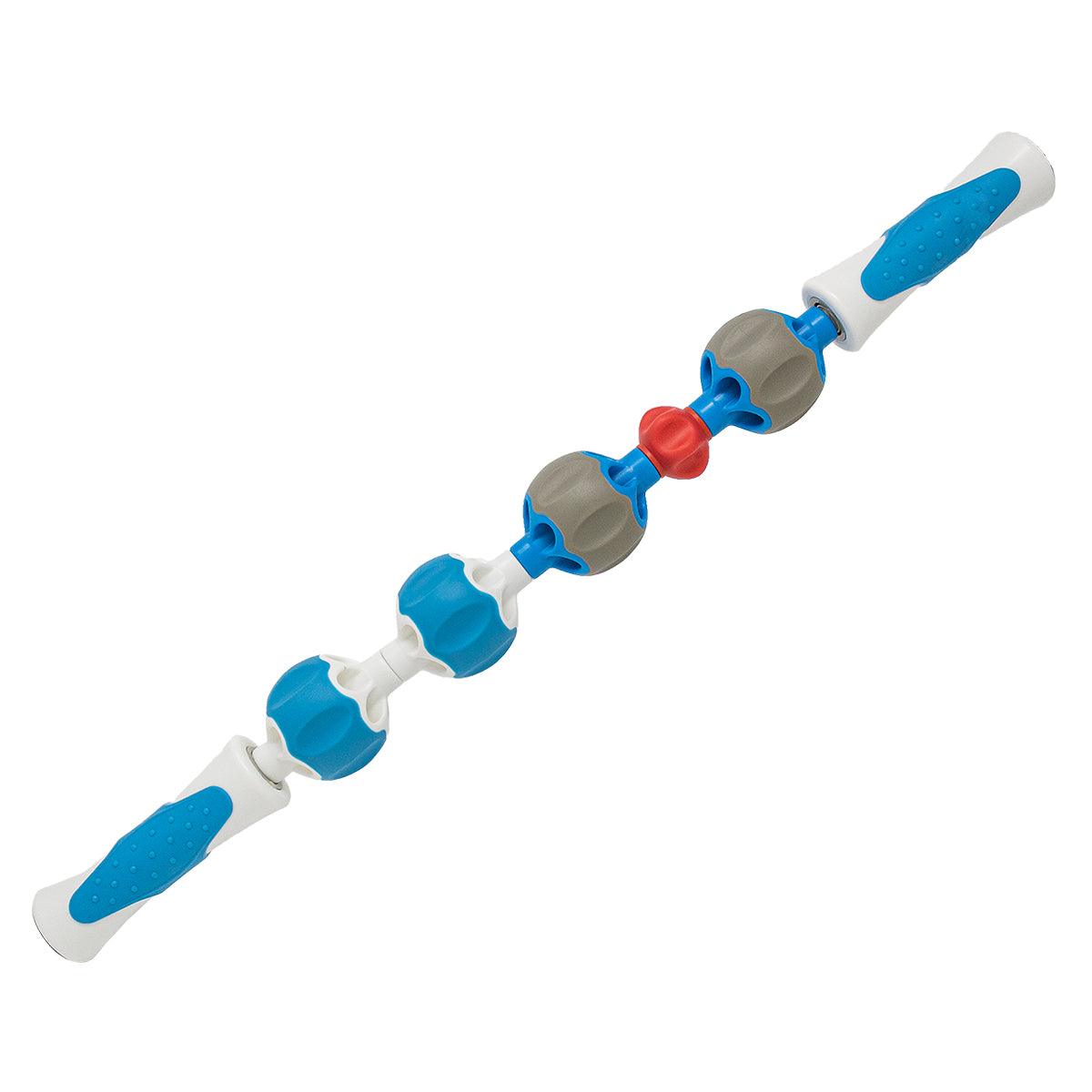
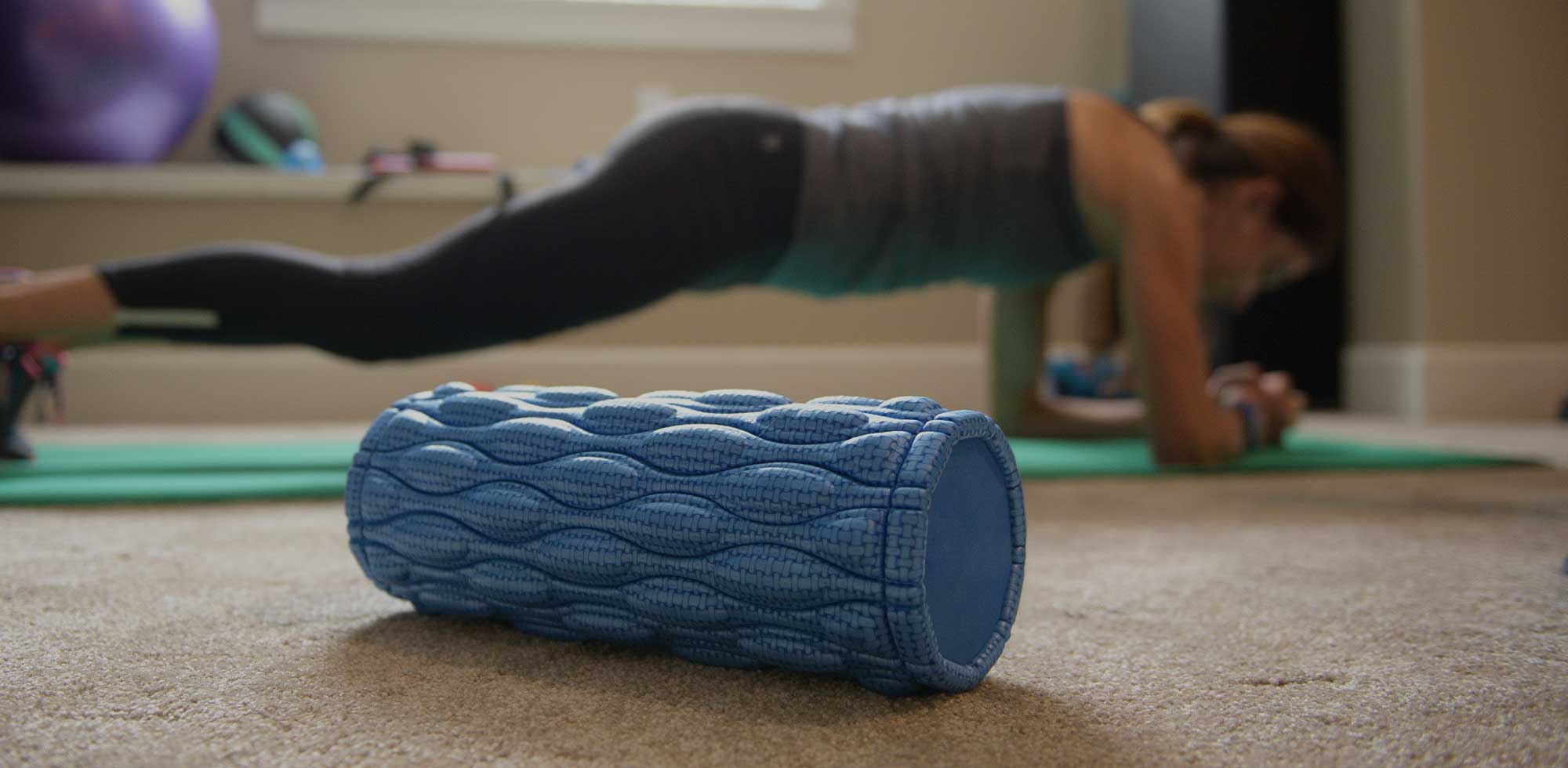
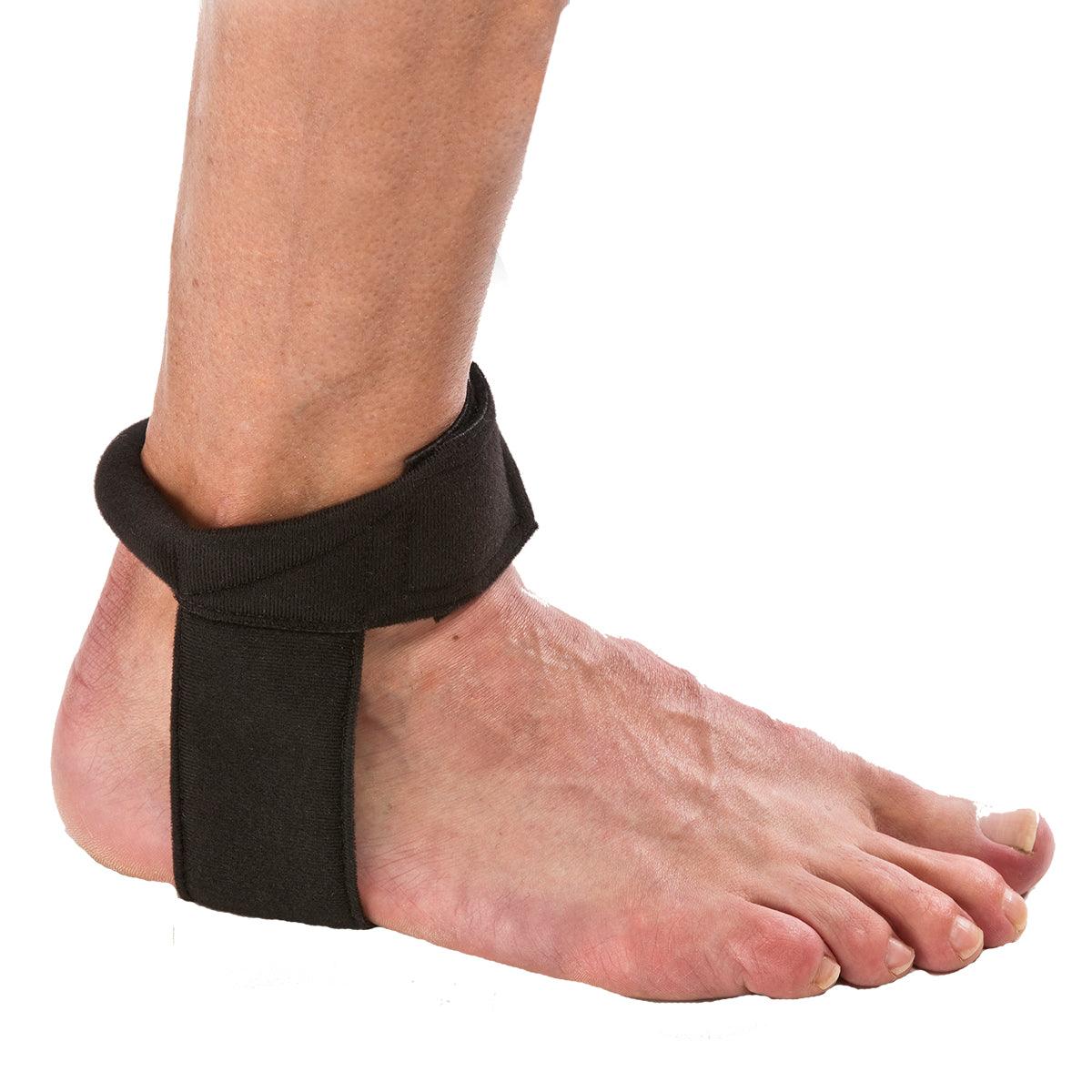
Many people find relief through a combination of rest, stretching exercises, supportive footwear, and products designed to reduce stress on the Achilles tendon. Reducing impact forces and improving flexibility can help relieve pain and support recovery.
As with all injuries, prevention is your best defense, especially with injuries that are as painful and inconvenient as Achilles tendinitis.
Options for how to prevent Achilles tendinitis include:
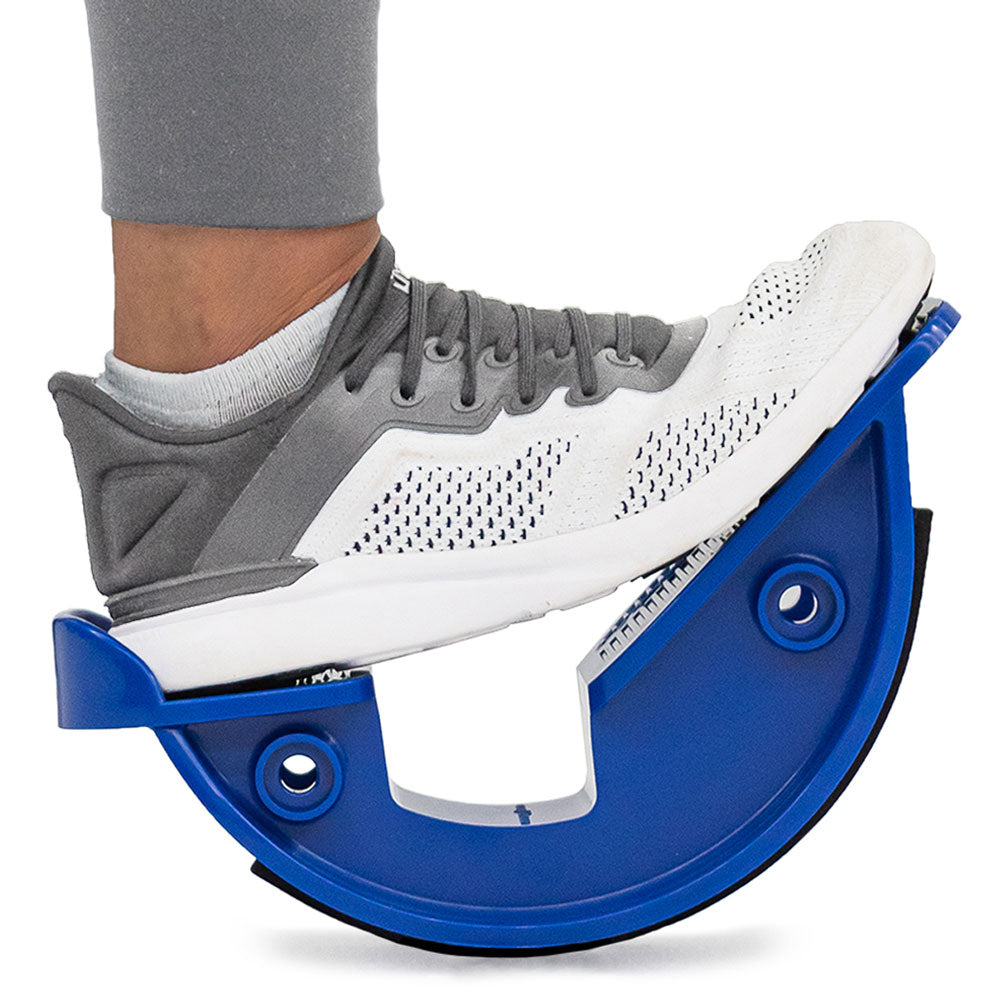
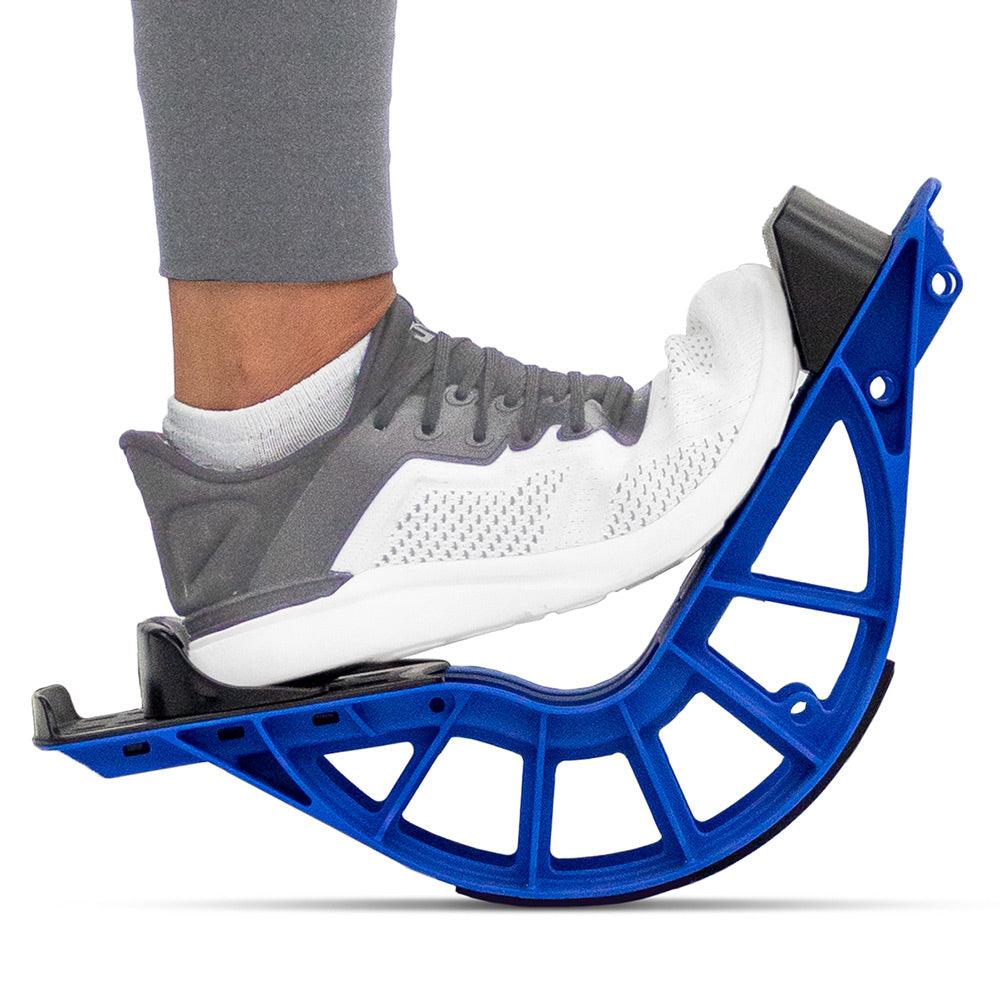
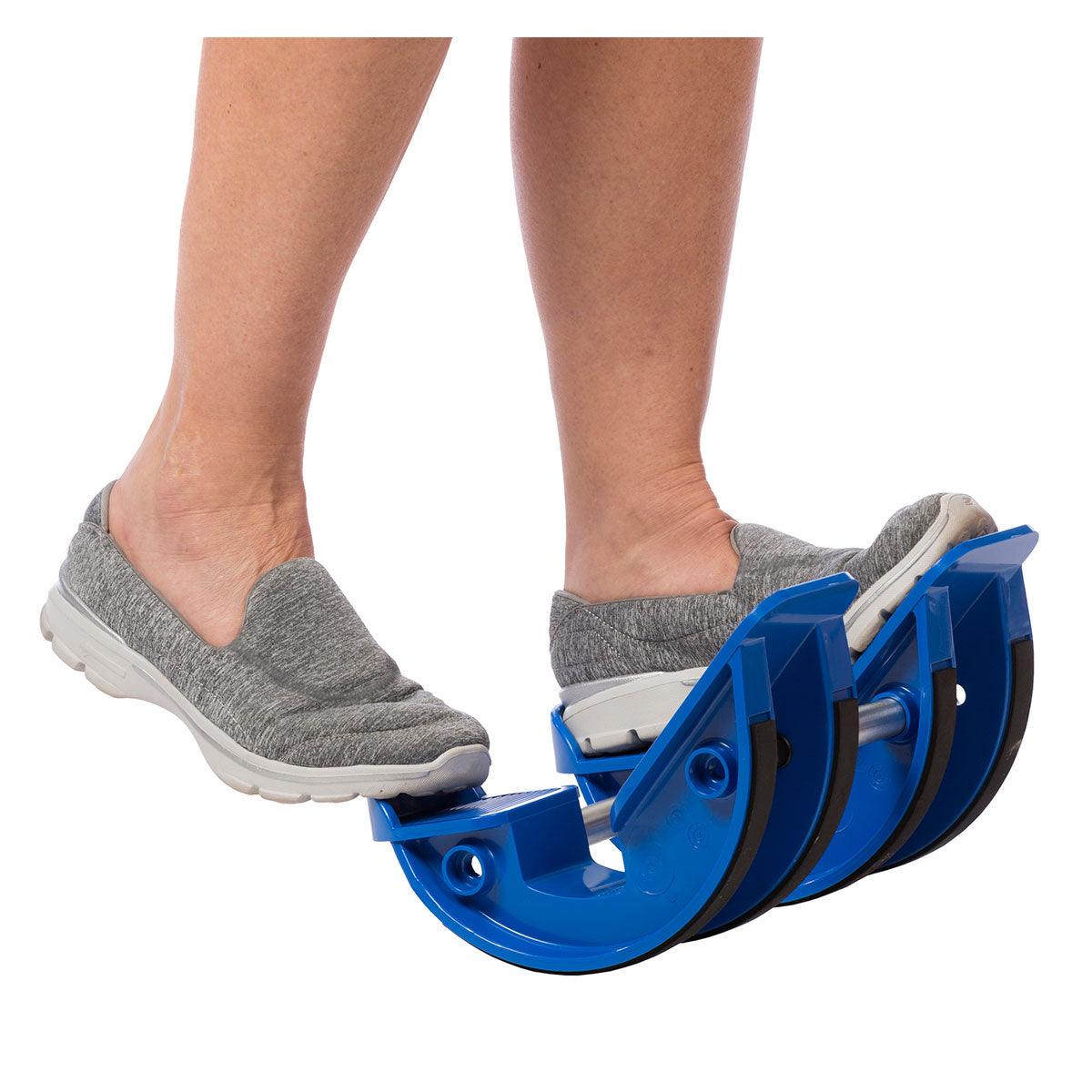
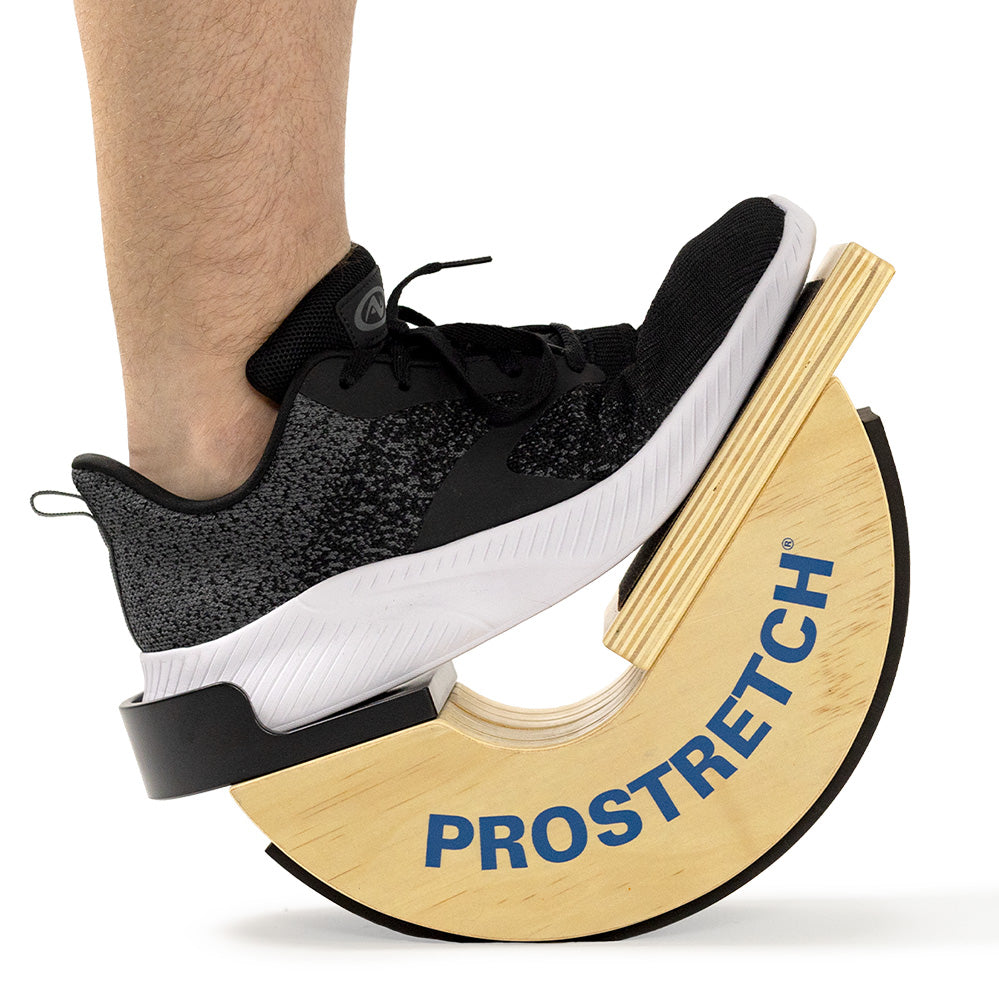
Stretching
Stretching properly, starting slowly, and increasing gradually will be critical if you want to avoid Achilles tendinitis. To help maintain flexibility in the ankle joint, begin each day with a series of stretches and be certain to stretch prior to, and after, any exercise or excessive physical activity.
Orthotics and Heel Support
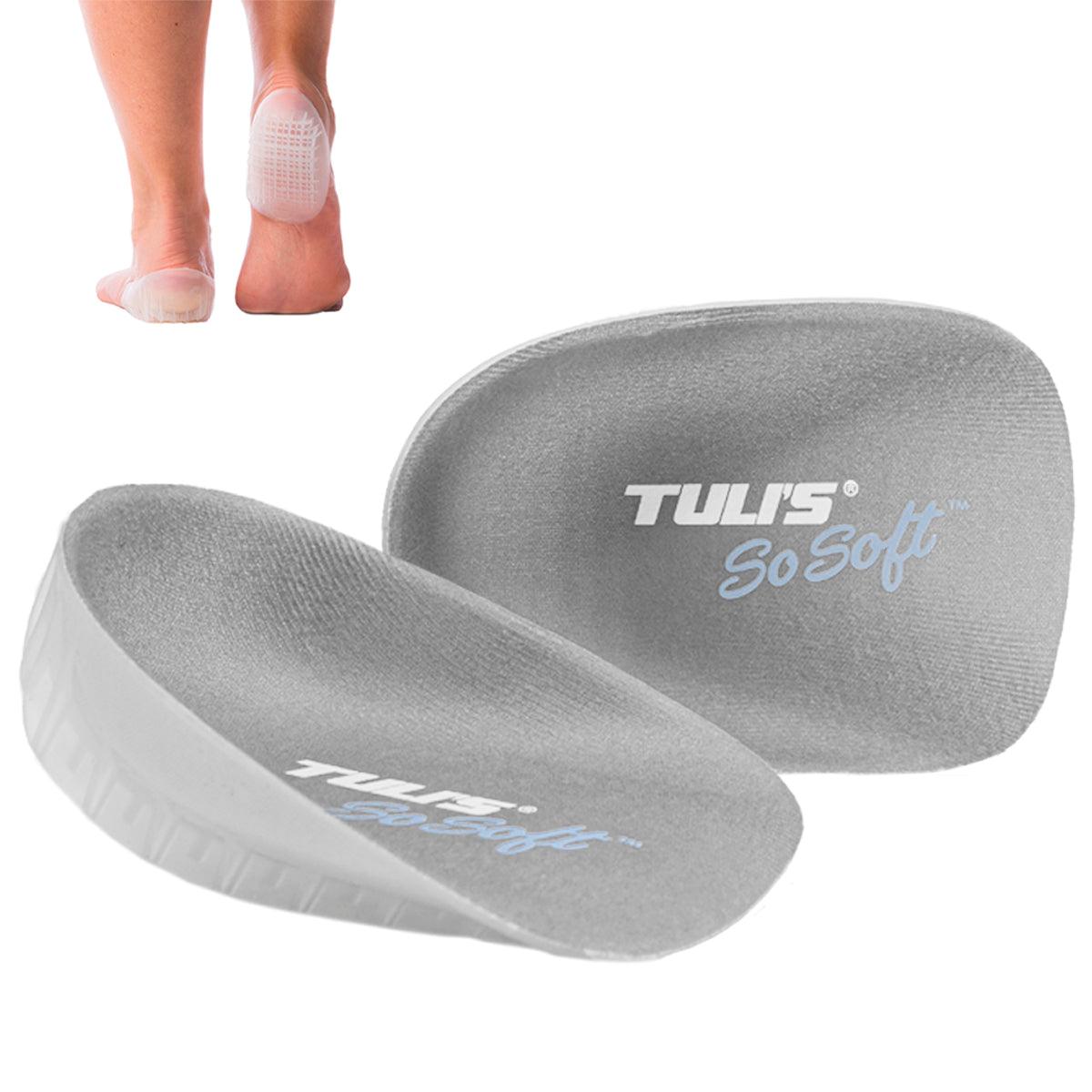
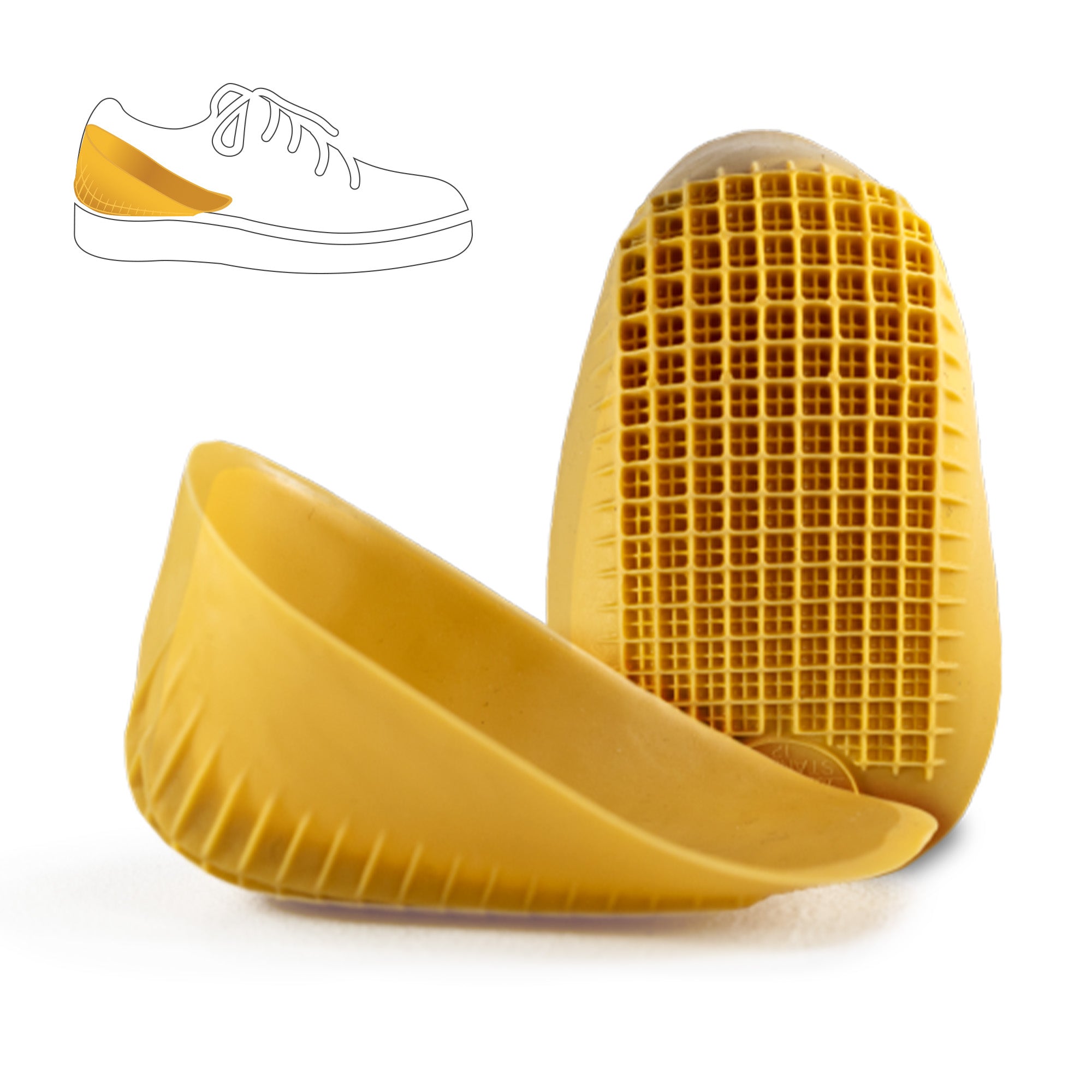
Bio-mechanically engineered inserts and heel cups can be placed in your shoes to correct misalignments or bolster the support of your foot and are available without a prescription. The temporary heel padding that these provide reduces the length that the Achilles tendon stretches each time you step, making it more comfortable to go about your daily routine.
Proper Footwear
Low-heeled shoes with good arch support and shock absorption are best for the health of your foot. Look into heel wedges and other shoe inserts to make sure that your everyday foot mechanics are operating under ideal conditions.
PLEASE NOTE: The information on this website and article is for information only and should not be used as a substitute for consulting your doctor. Consult your doctor for proper diagnosis and rehabilitation.