






The good news is that most heel pain conditions can improve with the right combination of stretching, support, and recovery strategies. Understanding what’s causing the discomfort is the first step toward lasting relief.
At Medi-Dyne, we focus on science-backed solutions designed to help you stay active, recover faster, and move with confidence. In this guide, you'll learn the common causes of heel pain, symptoms to watch for, and practical ways to relieve and prevent discomfort.
What Is Heel Pain?
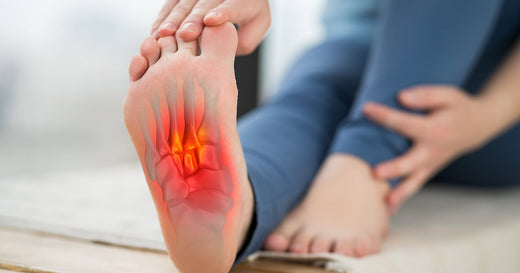
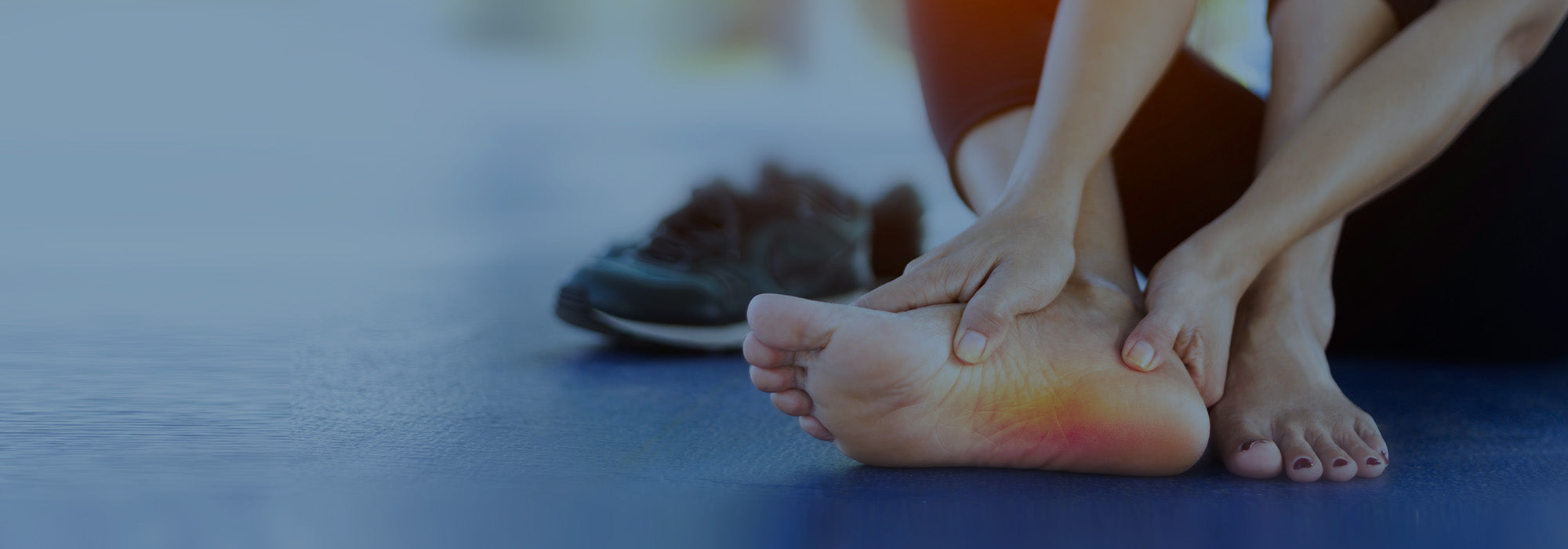
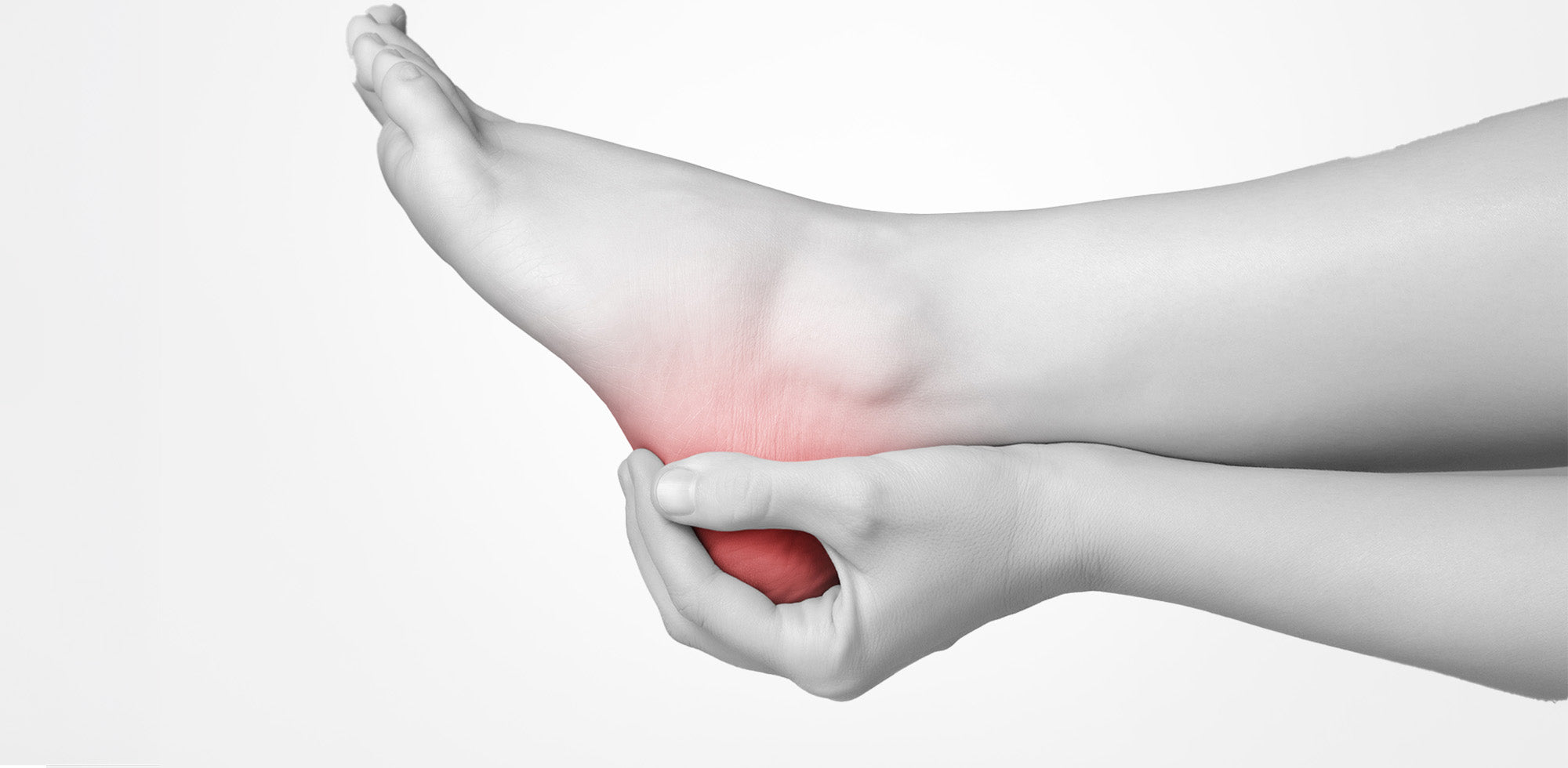
Heel pain refers to discomfort that develops in or around the heel of the foot. The pain may occur underneath the heel, behind the heel near the Achilles tendon, or occasionally along the sides of the heel.
This discomfort usually develops when the tissues supporting the heel become irritated or inflamed. Repetitive stress, tight muscles, improper footwear, and increased physical activity can all contribute to this problem.
For some people, heel pain begins gradually and worsens over time. Others may experience sudden discomfort after a change in activity level or following a sports injury.
Regardless of how it begins, heel pain can affect daily movement, exercise routines, and overall quality of life if left untreated.
Common Causes of Heel Pain
Several conditions can lead to heel pain. Identifying the underlying cause helps guide the most effective treatment plan.
Plantar Fasciitis
Plantar fasciitis is the most common cause of heel pain. It occurs when the plantar fascia, a thick band of tissue connecting the heel bone to the toes becomes irritated or inflamed.
Typical symptoms include:
- Sharp pain under the heel
- Pain during the first steps in the morning
- Discomfort after long periods of standing
- Heel stiffness after exercise
Plantar fasciitis often develops due to tight calf muscles, excessive strain on the foot, or inadequate arch support.
Heel Spurs
Heel spurs are calcium deposits that develop on the underside of the heel bone. While not all heel spurs cause pain, they are often associated with plantar fasciitis and may contribute to chronic heel discomfort.
Heel spurs typically develop after prolonged stress on the plantar fascia.
Achilles Tendinitis
Pain at the back of the heel may be caused by inflammation of the Achilles tendon. This tendon connects the calf muscles to the heel bone and plays a key role in walking, running, and jumping.
Achilles tendinitis often develops from:
- Overuse during sports
- Tight calf muscles
- Sudden increases in physical activity
Stress Fractures
Repetitive impact activities such as running or jumping can sometimes lead to small cracks in the heel bone known as stress fractures. These injuries typically cause persistent pain that worsens during activity.
Sever’s Disease (Children and Adolescents)
In growing children and teenagers, heel pain may be caused by Sever’s disease, a condition where the growth plate in the heel becomes irritated due to repetitive stress.
Young athletes who participate in sports that involve running or jumping are particularly susceptible.
Symptoms of Heel Pain
Heel pain can present in several ways depending on the underlying condition. Common symptoms include:
- Sharp or stabbing pain in the heel
- Pain during the first steps in the morning
- Discomfort after standing or walking for long periods
- Tenderness under or behind the heel
- Heel stiffness after exercise
- Mild swelling near the heel
Many people notice that heel pain improves temporarily with movement but returns after prolonged activity or rest.
How to Relieve Heel Pain
Most cases of heel pain respond well to conservative treatment. The key is to reduce stress on the foot while improving flexibility and support.
Rest and Activity Modification
Reducing activities that place repeated stress on the heel, such as running or prolonged standing, can allow inflamed tissues to recover.
Low-impact activities like cycling or swimming can help maintain fitness during recovery.
Ice Therapy
Applying ice to the heel for 15–20 minutes several times per day may help reduce inflammation and discomfort.
Ice is particularly helpful after physical activity.
Stretching and Mobility Exercises
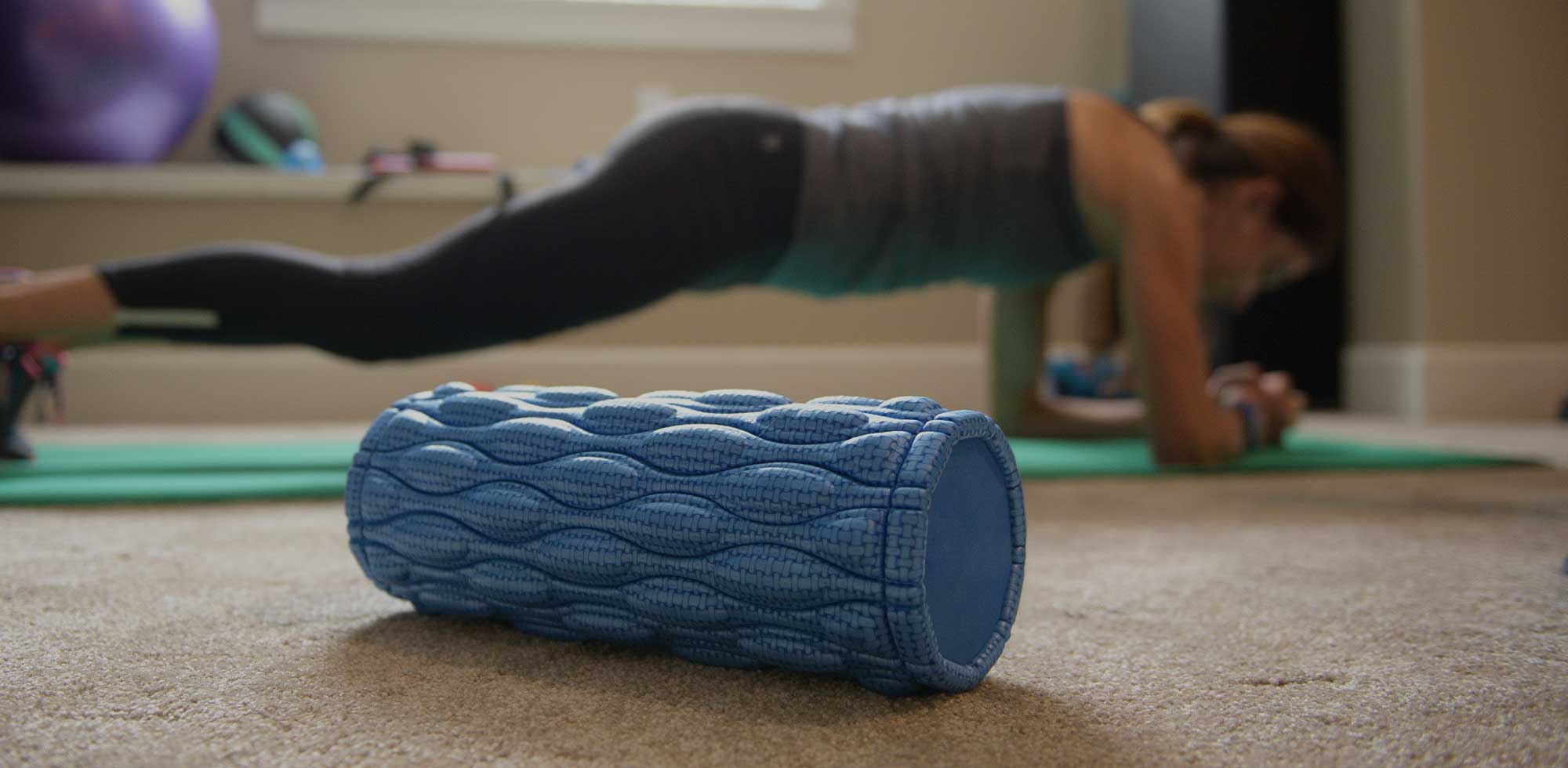
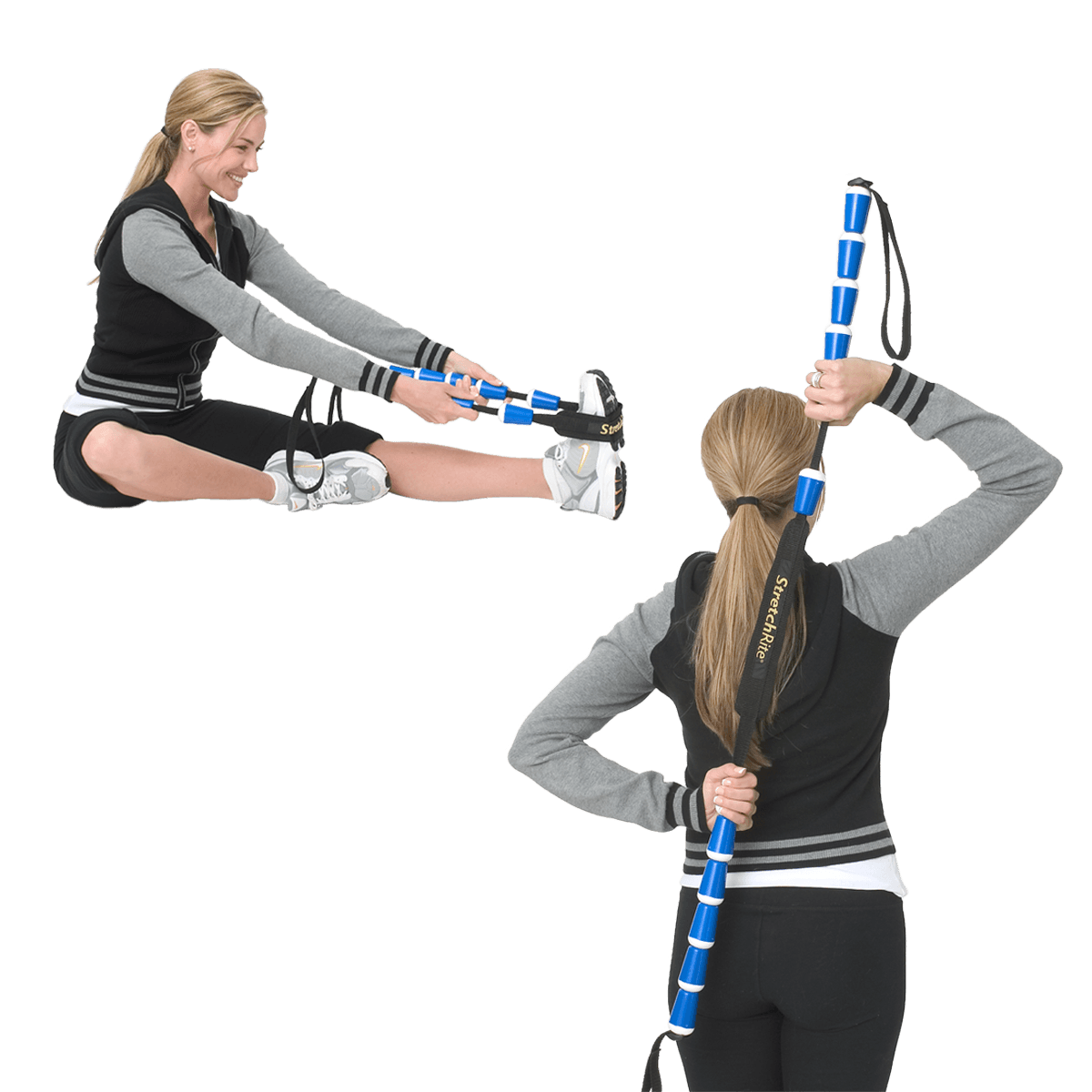
Tight calf muscles and plantar fascia tension are common contributors to heel pain. Gentle stretching can improve flexibility and reduce strain on the heel.
Consistent stretching is one of the most effective ways to support recovery and prevent recurring pain.
Foot Support and Cushioning
Proper foot support can reduce pressure on the heel and improve overall foot alignment.
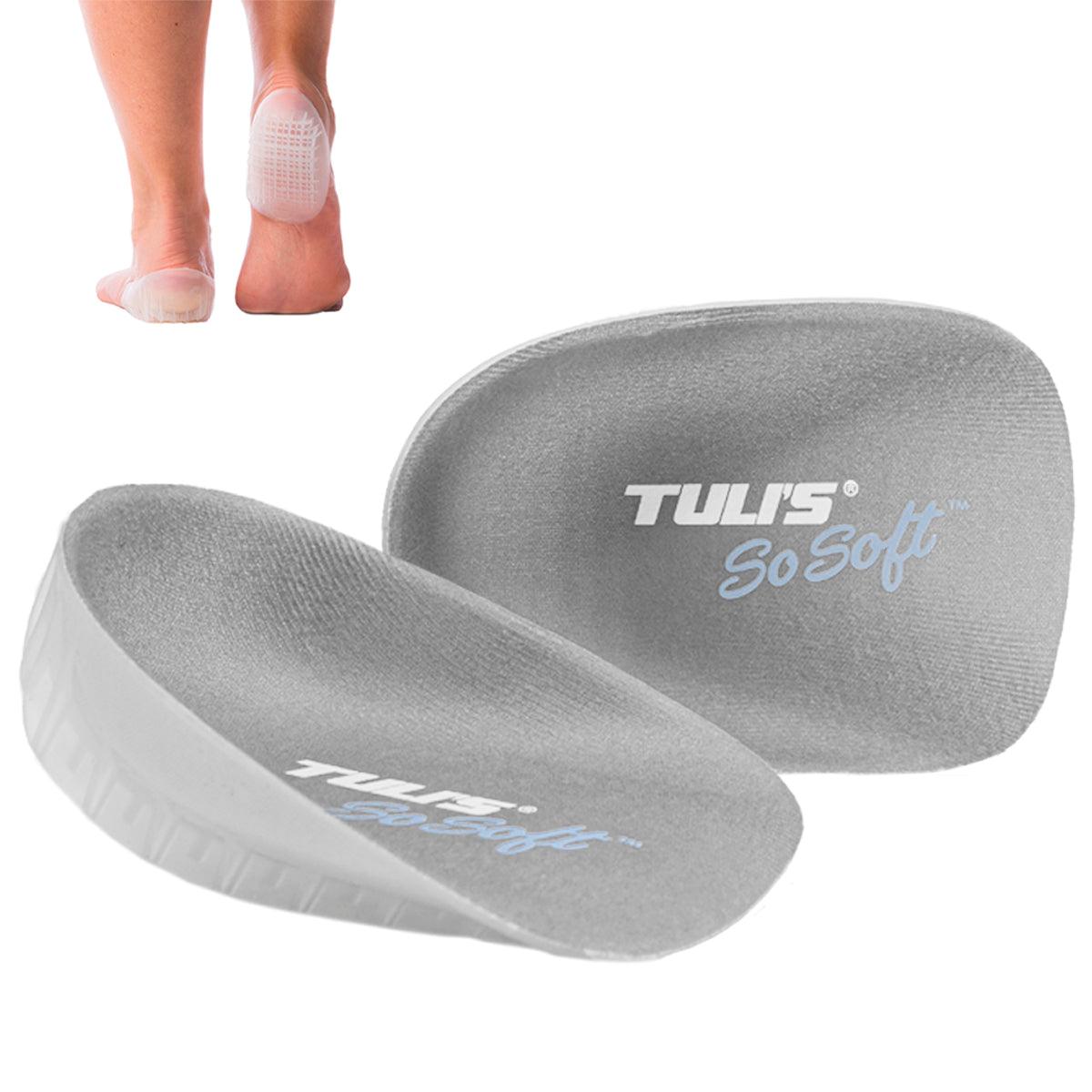
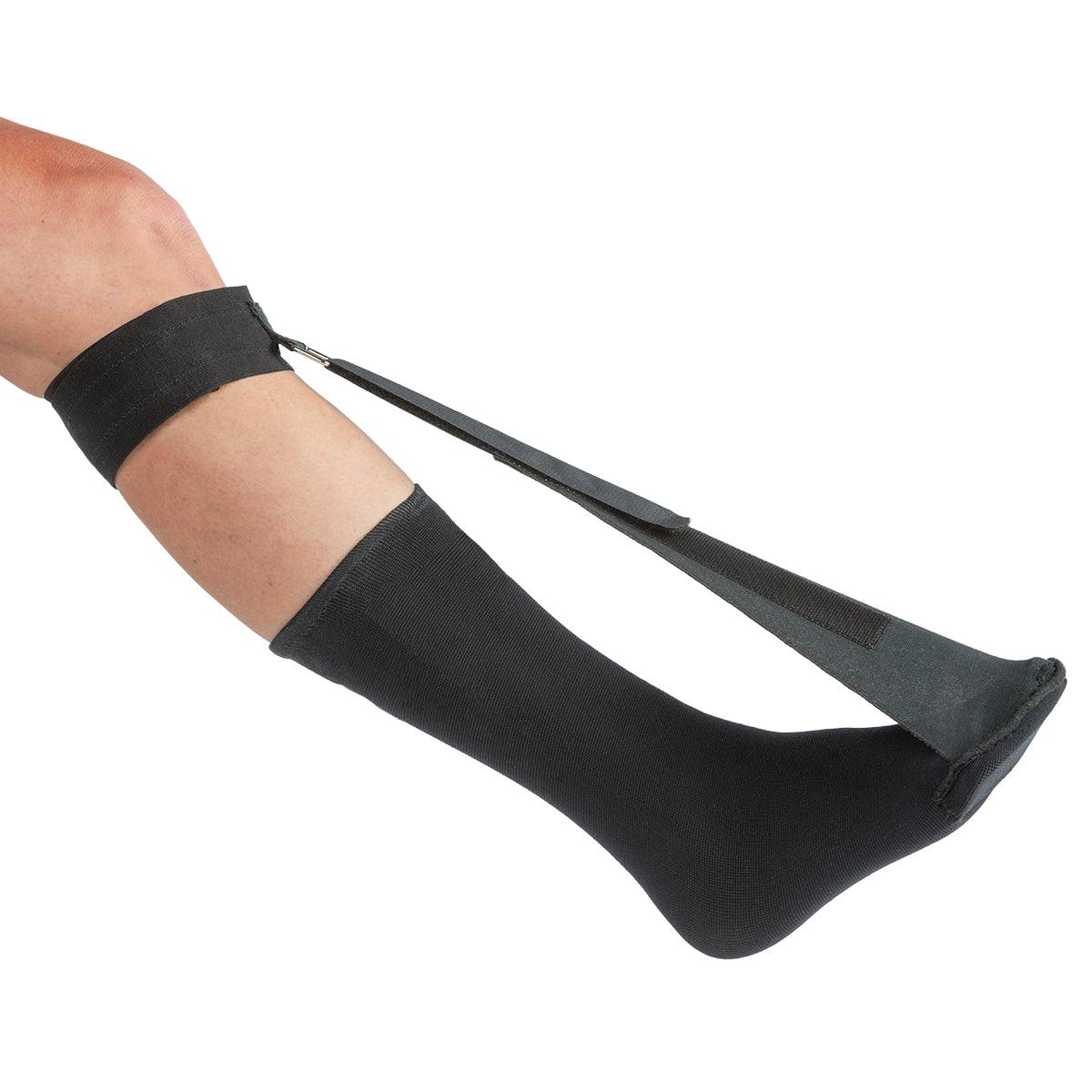
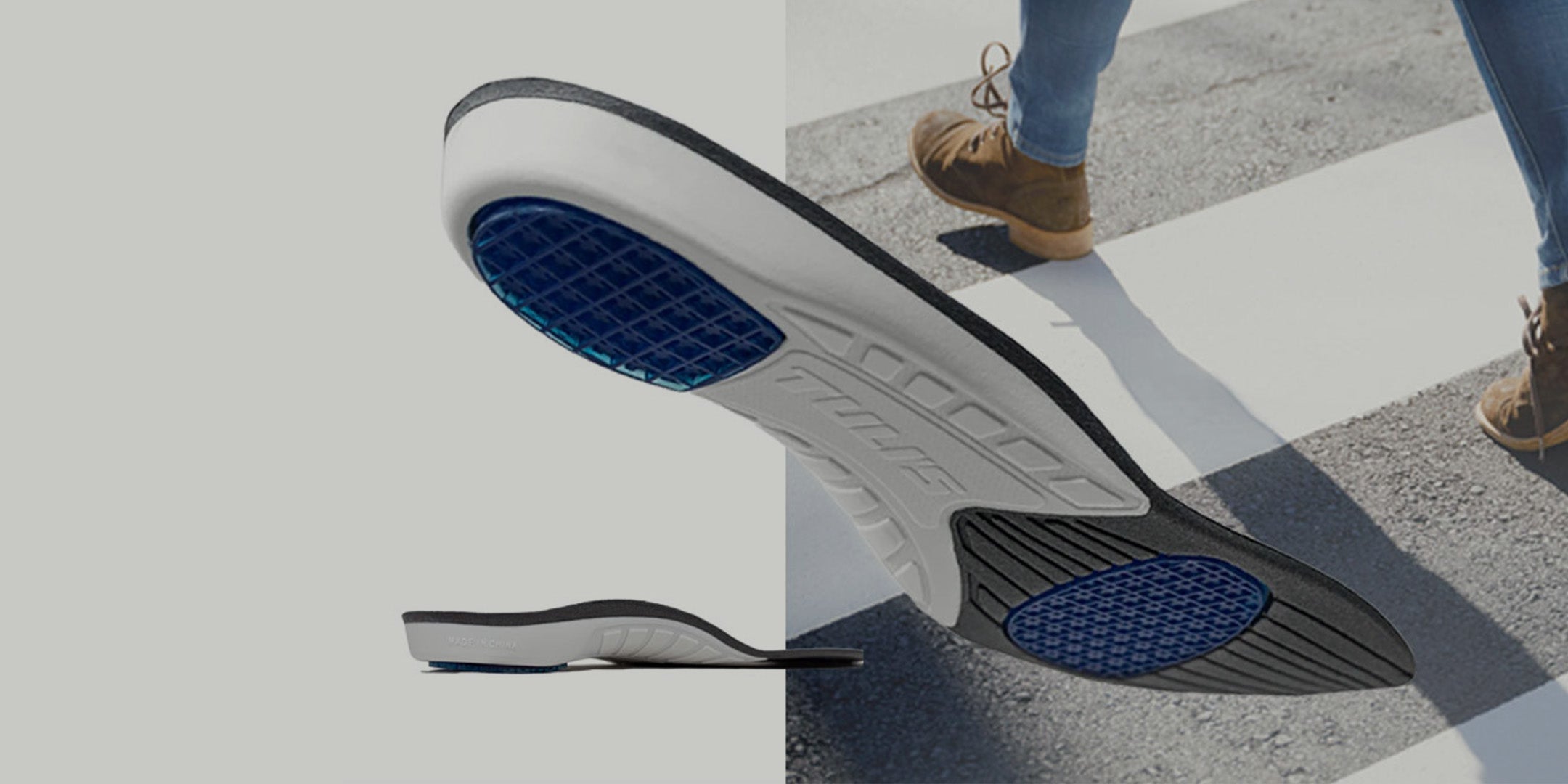
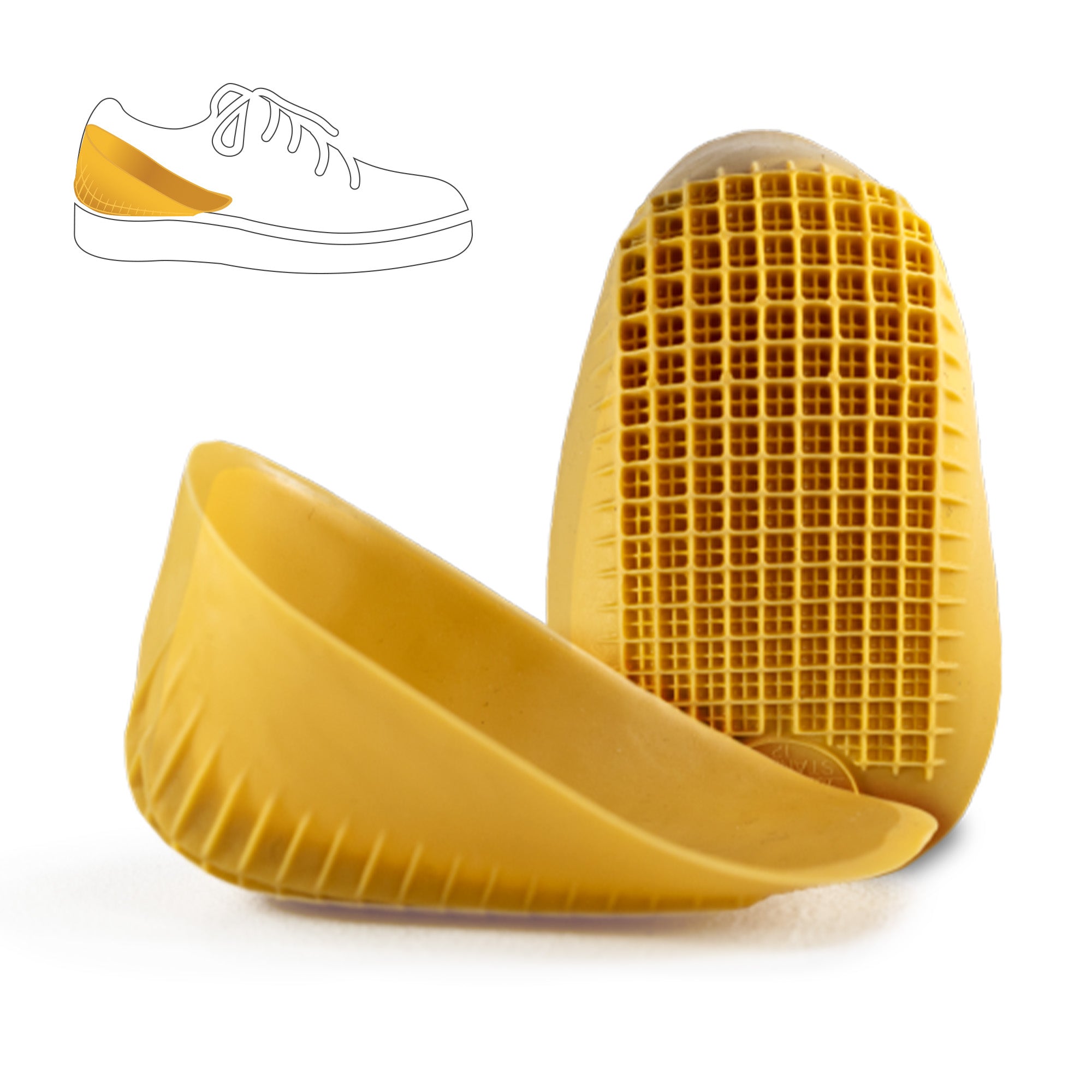
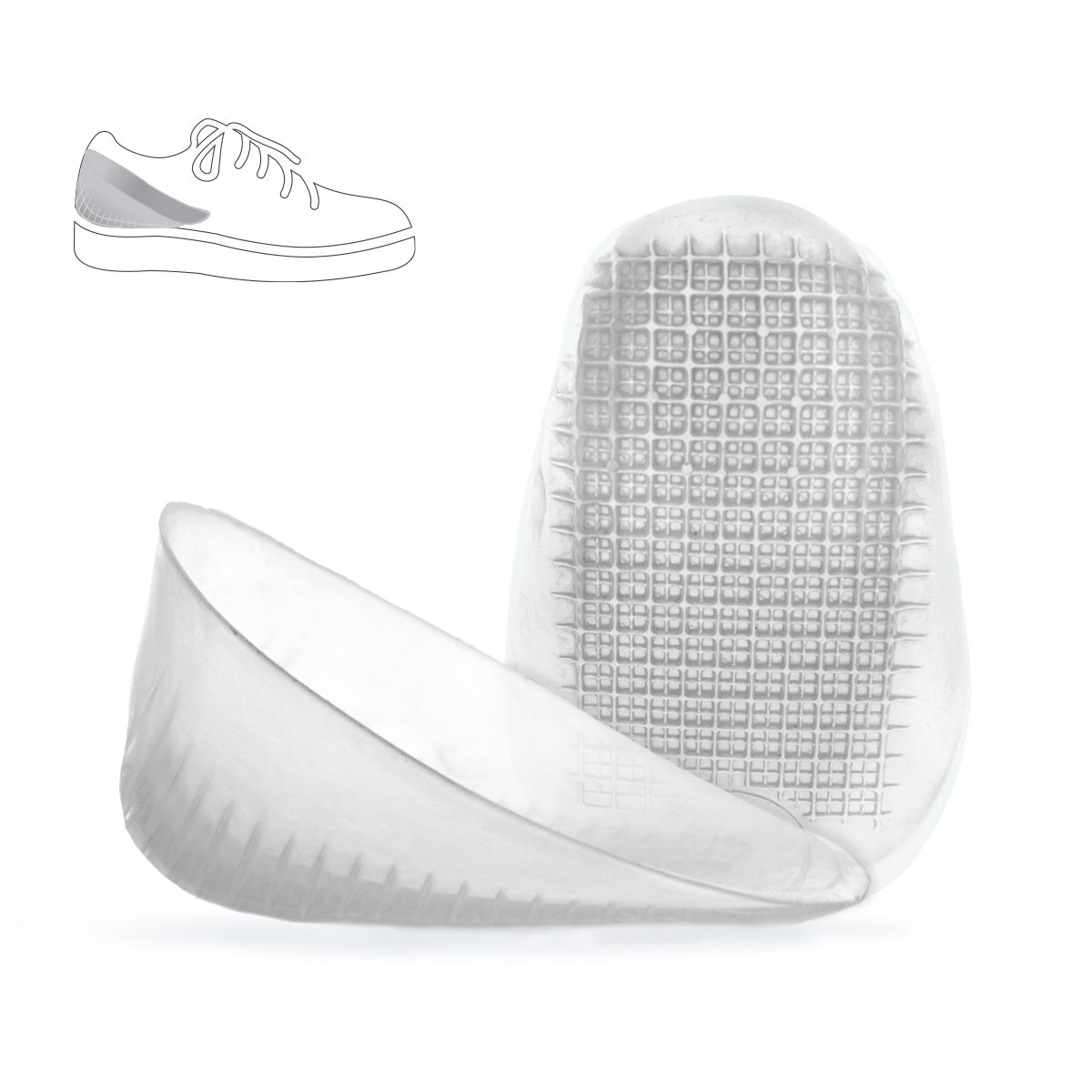
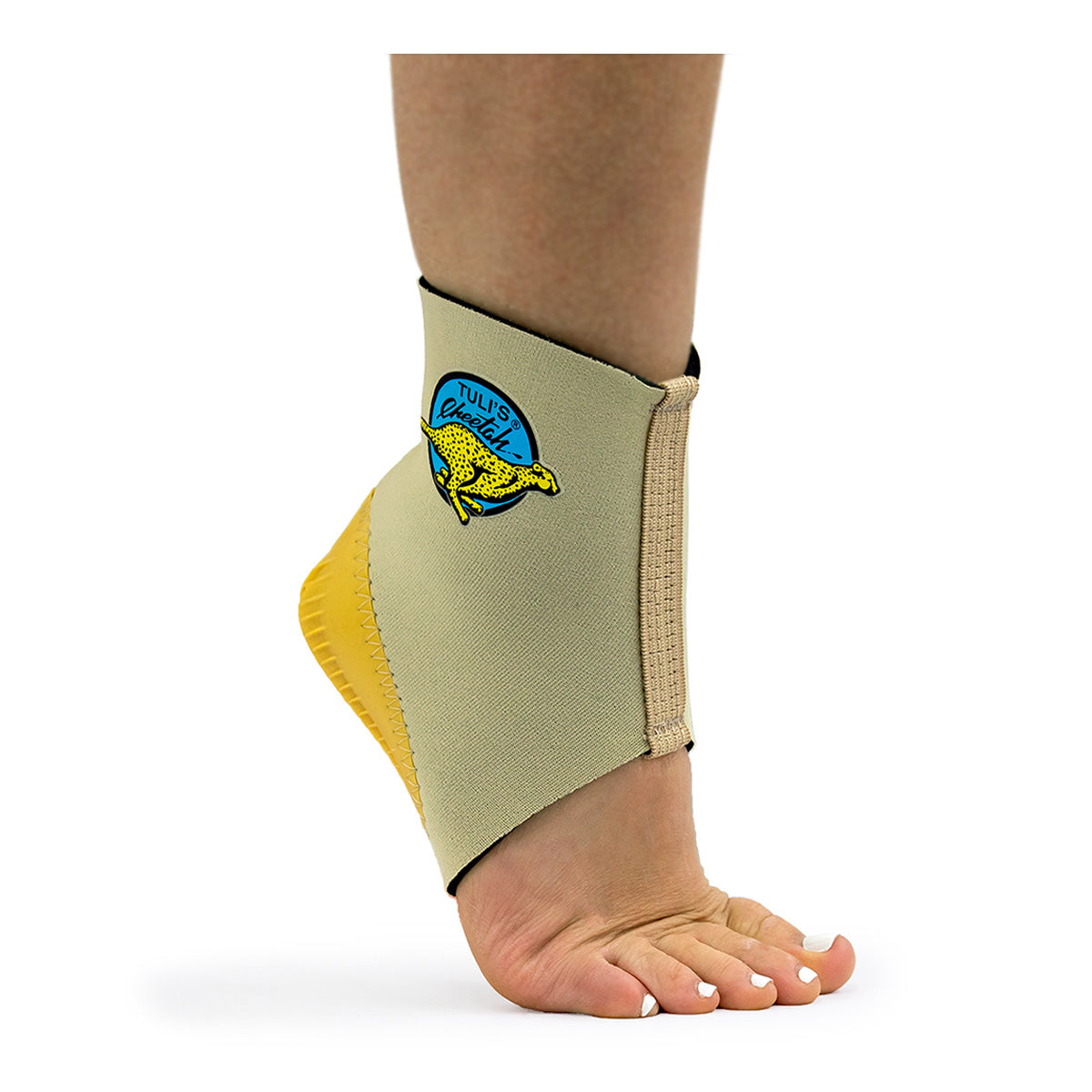
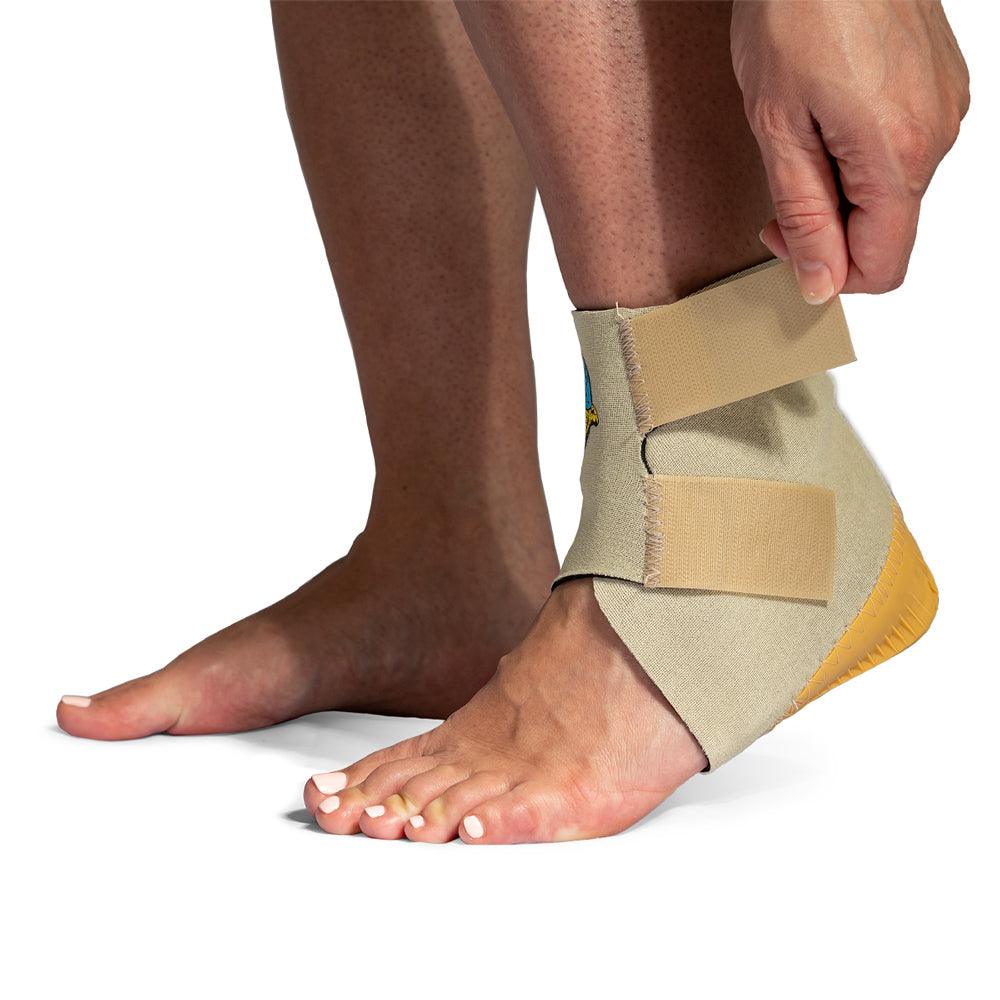
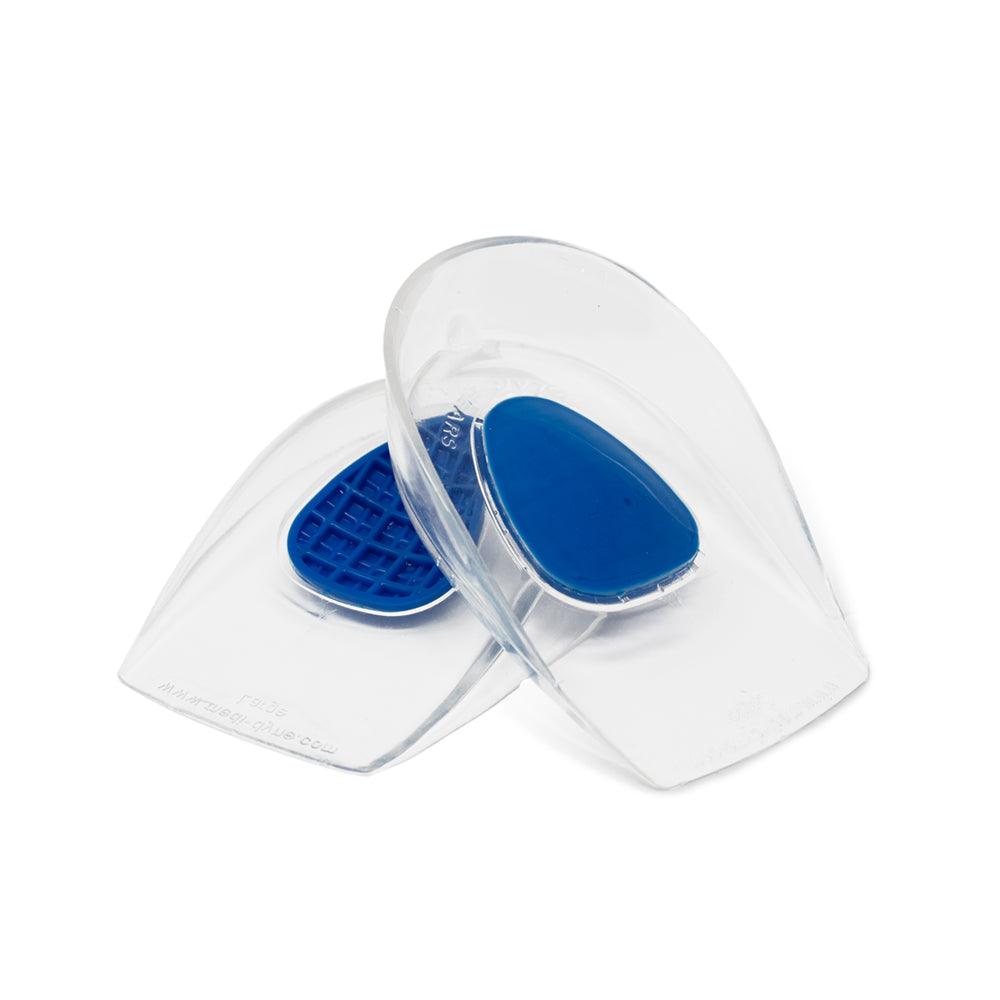
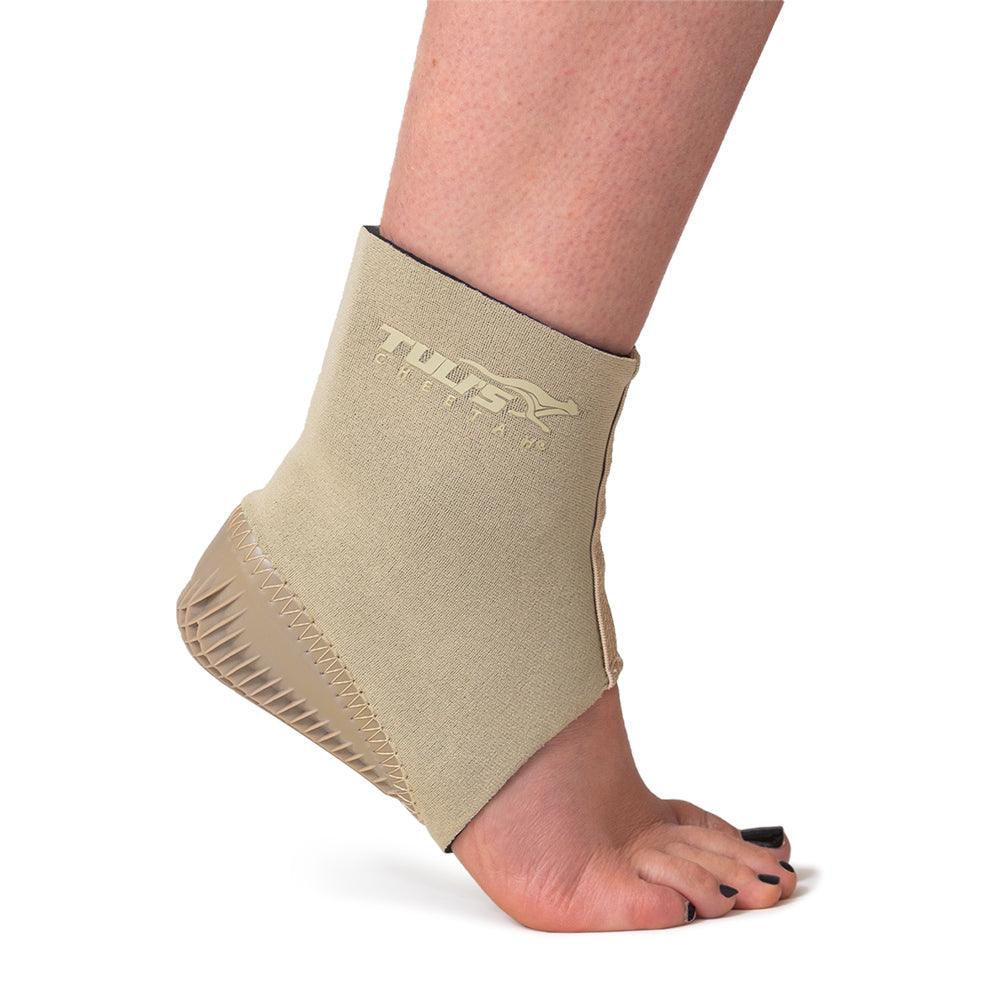
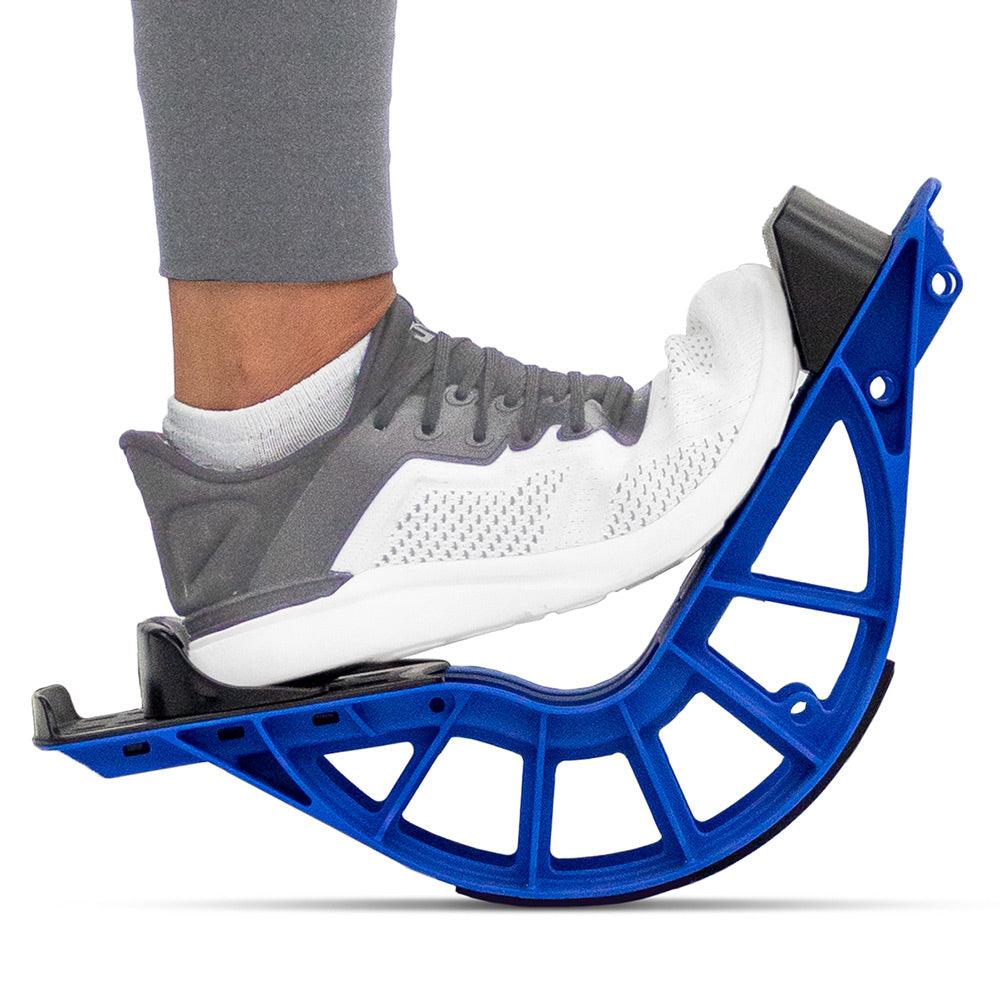
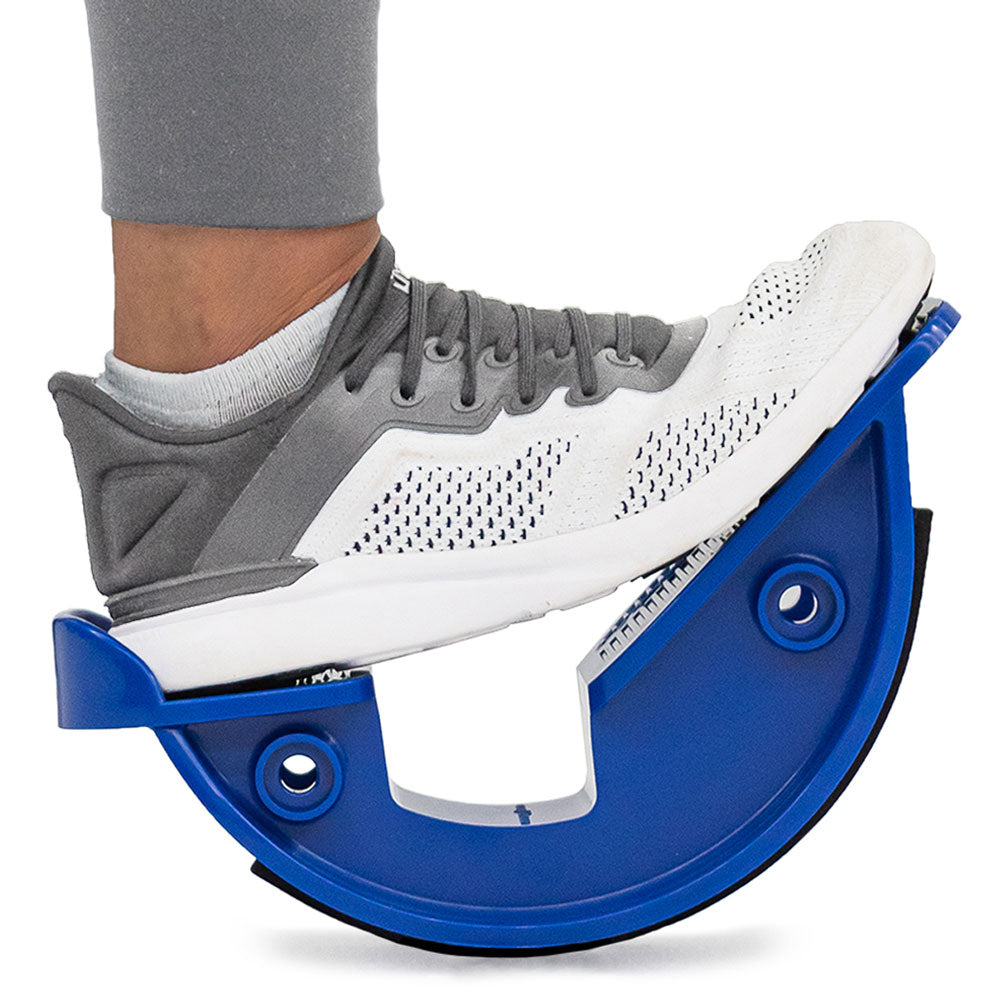
Shock-absorbing heel cups, supportive insoles, and stretching tools may help reduce stress on the plantar fascia and Achilles tendon while allowing you to remain active.
Physical Therapy
In more persistent cases, physical therapy can help strengthen supporting muscles, improve flexibility, and restore healthy movement patterns.
Products That Can Help Support Heel Pain Relief
Supportive tools and orthotic products can play an important role in managing heel pain by reducing pressure on the heel and improving foot mechanics.
Medi-Dyne offers clinically trusted solutions designed to support recovery and help people stay active.
Examples include:
- Tuli’s Heel Cups - Shock-absorbing heel cups designed to cushion impact and reduce pressure on the heel.
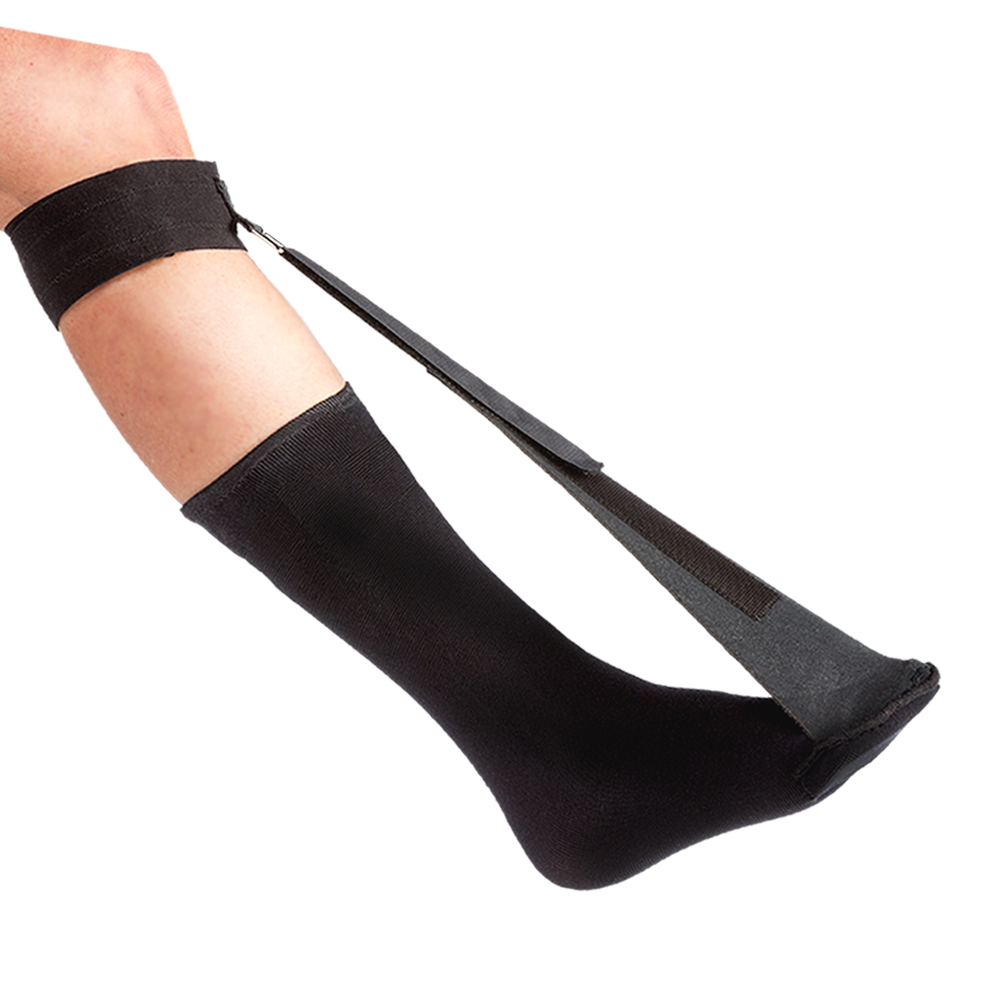
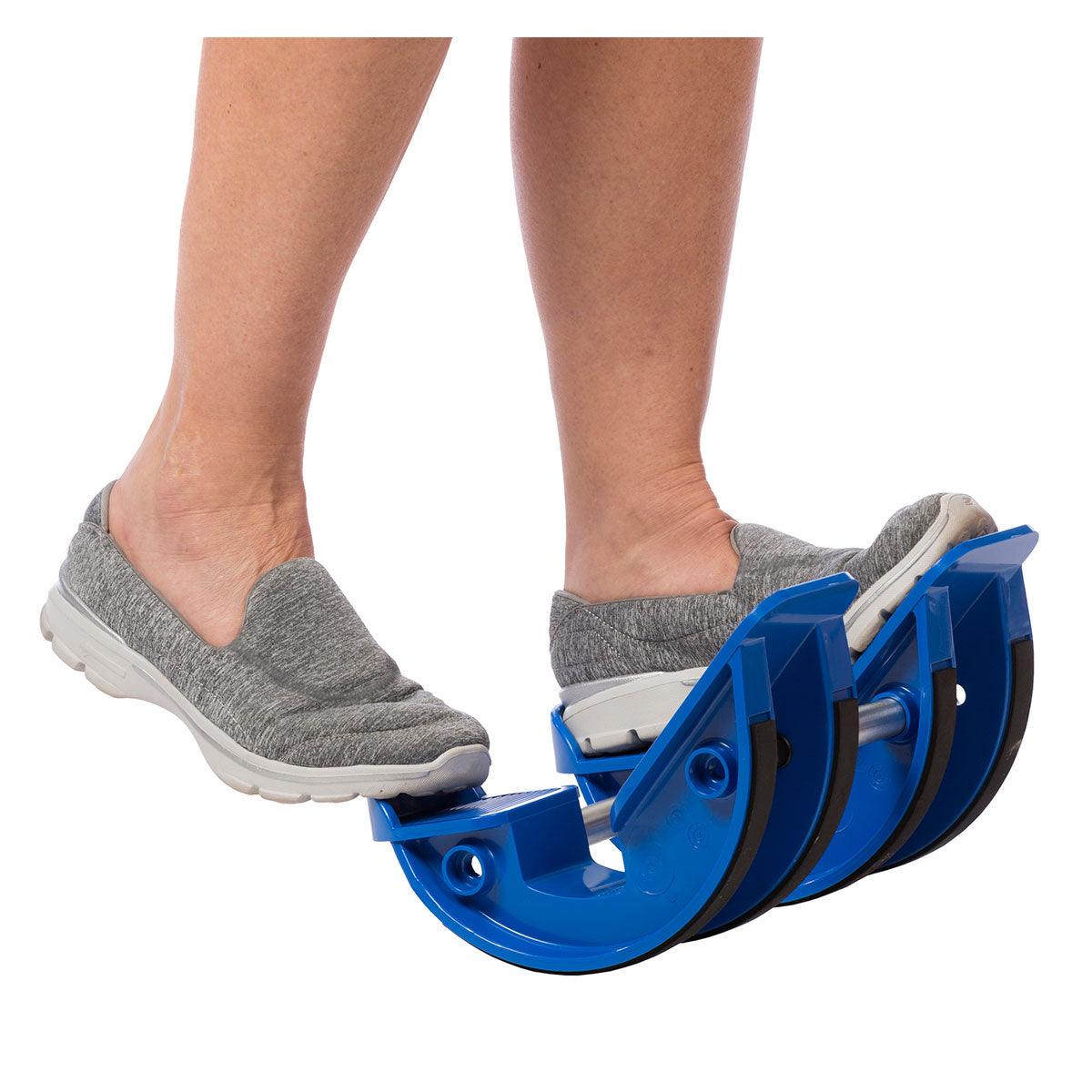
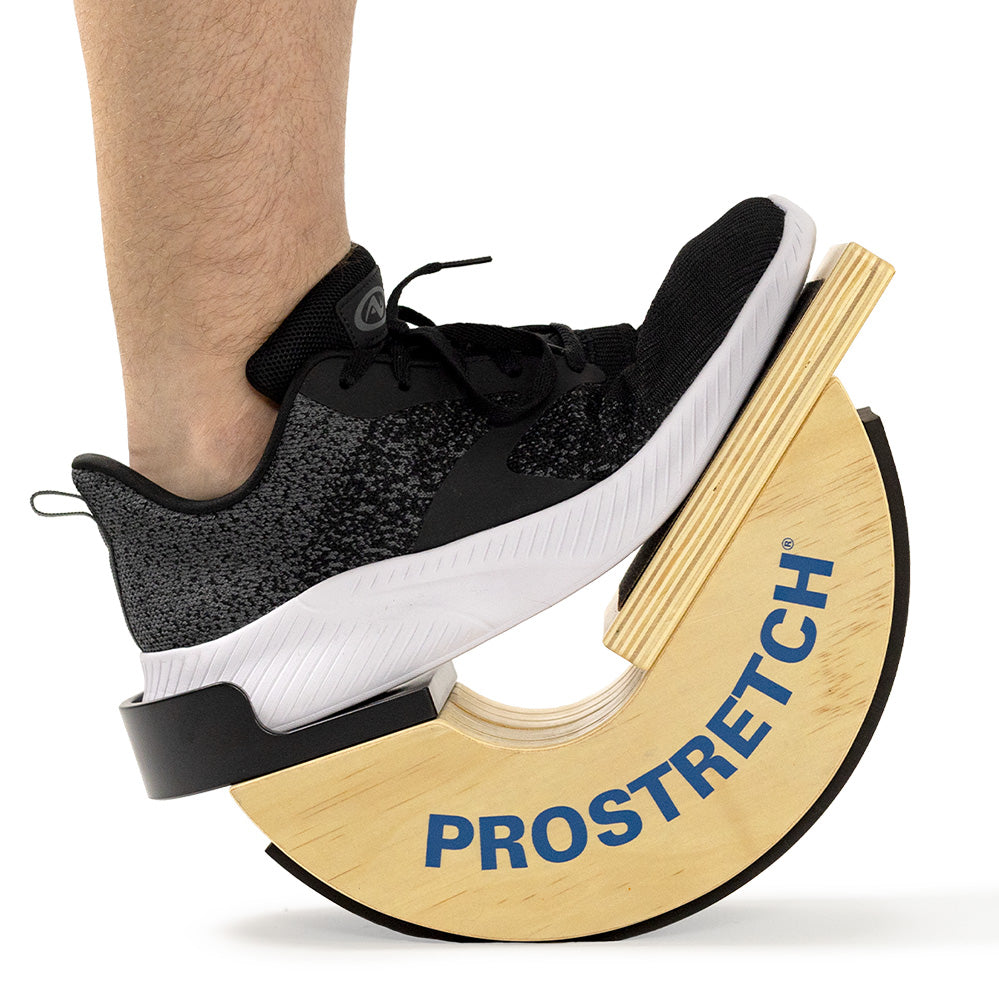
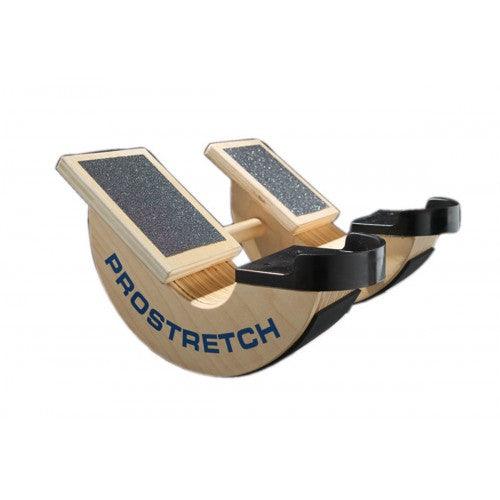
- ProStretch Stretching Devices - Tools designed to improve calf flexibility and plantar fascia mobility.
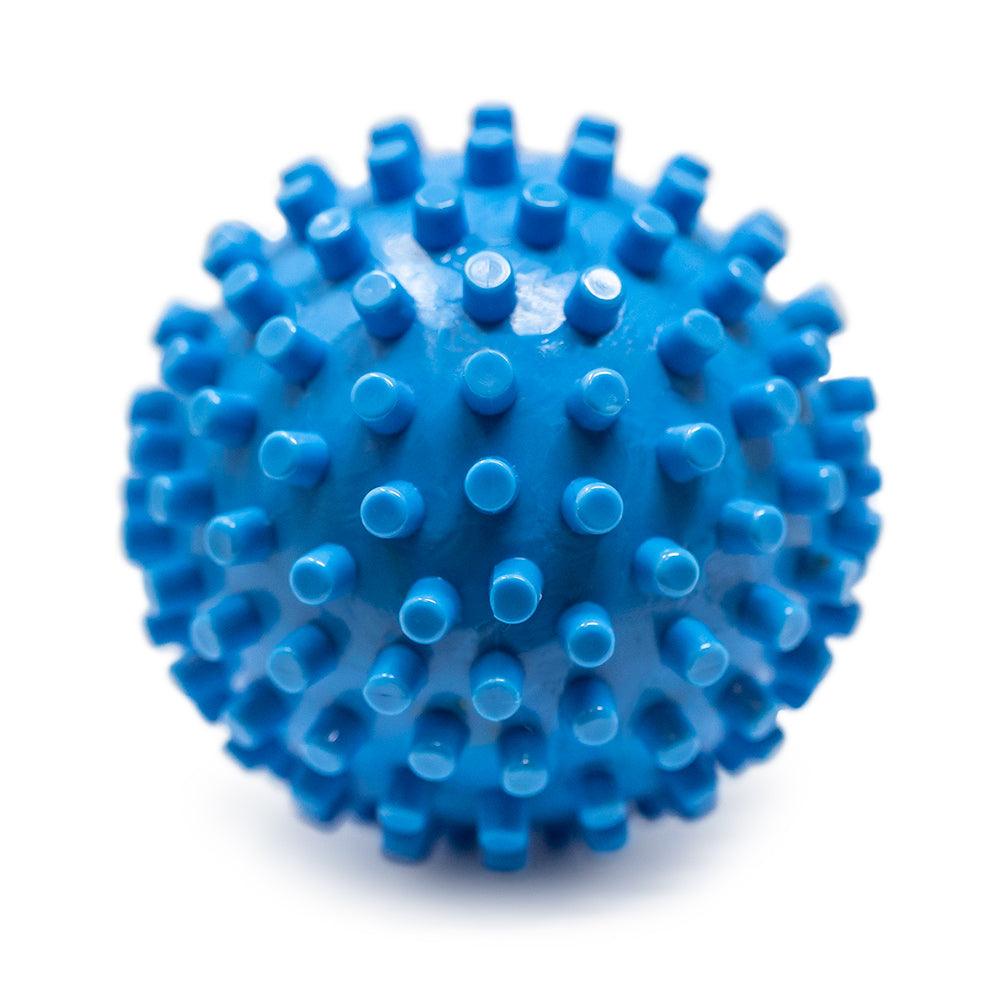
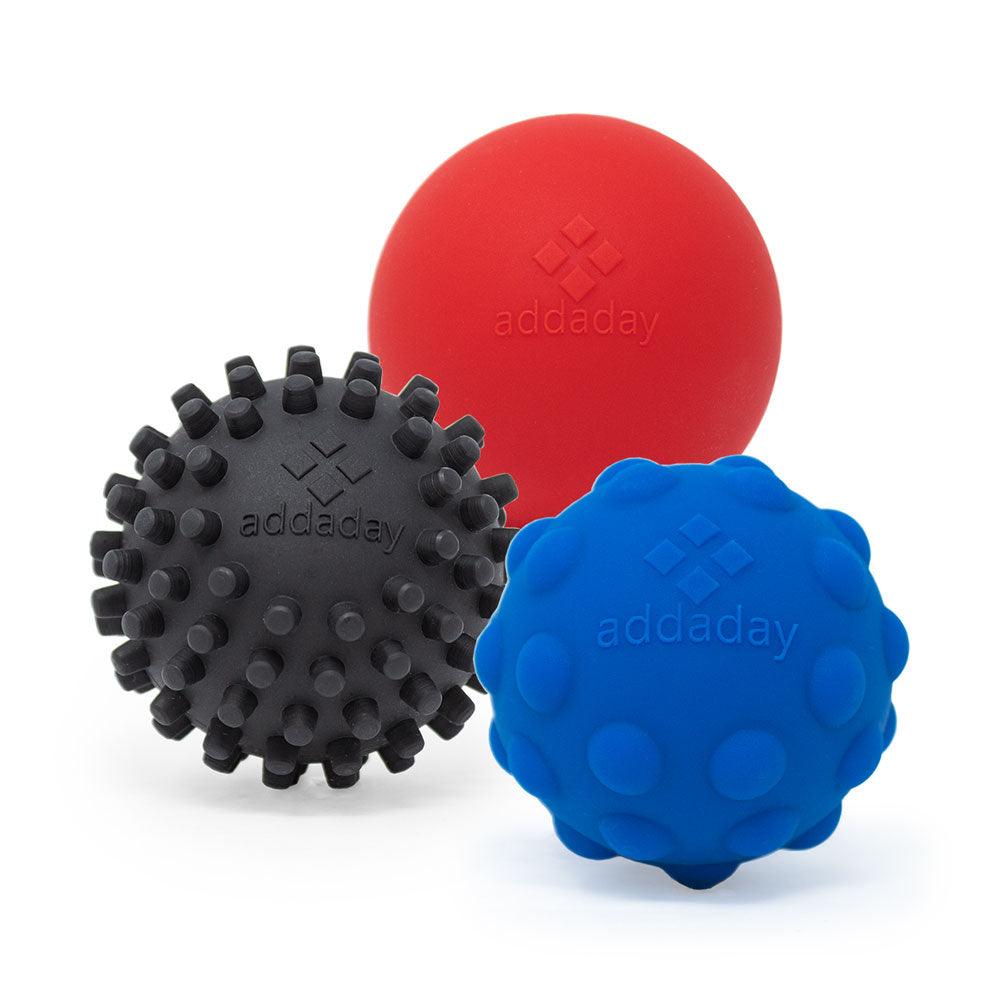
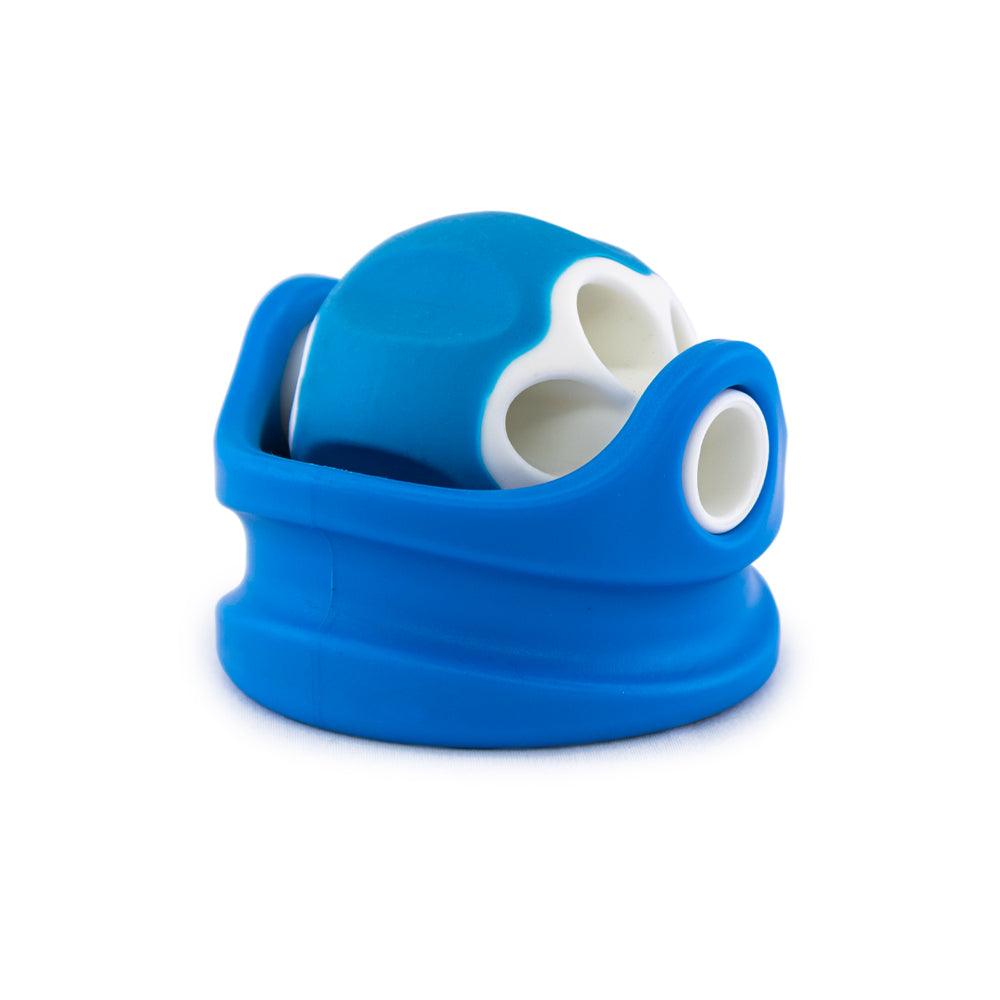
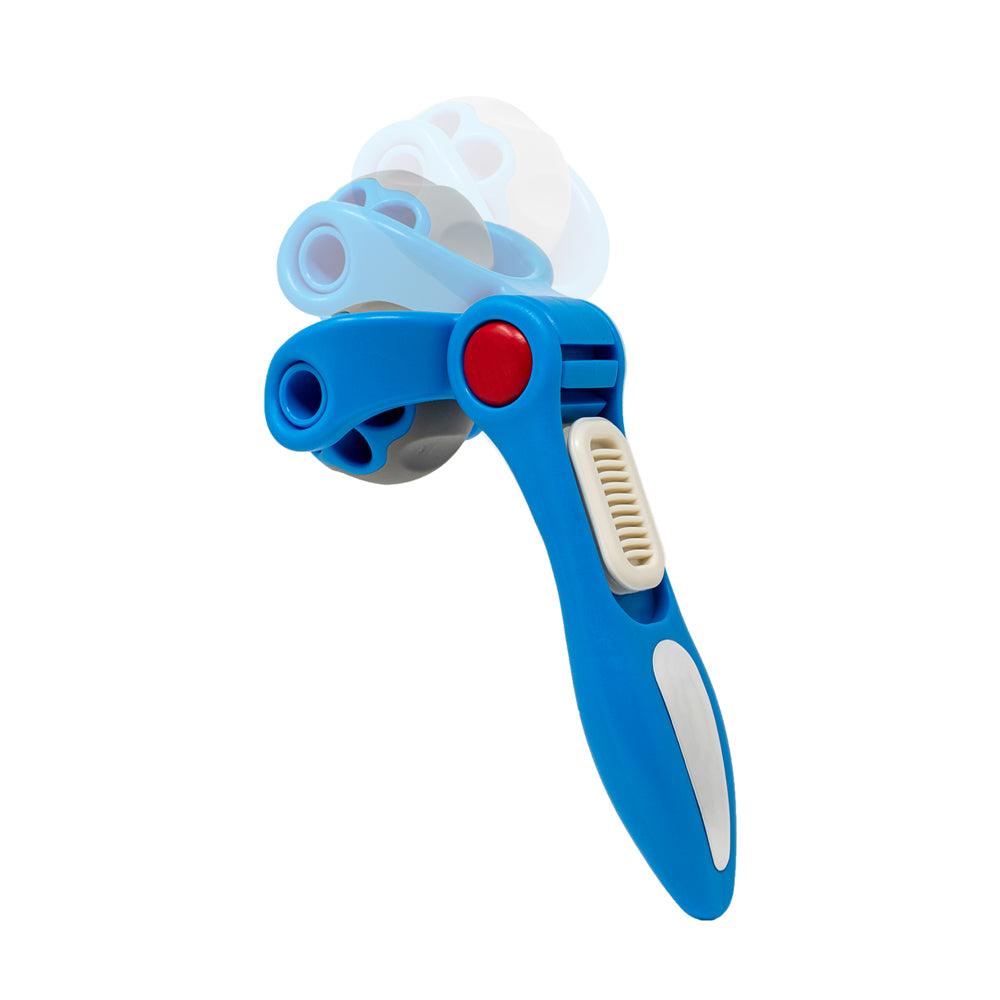
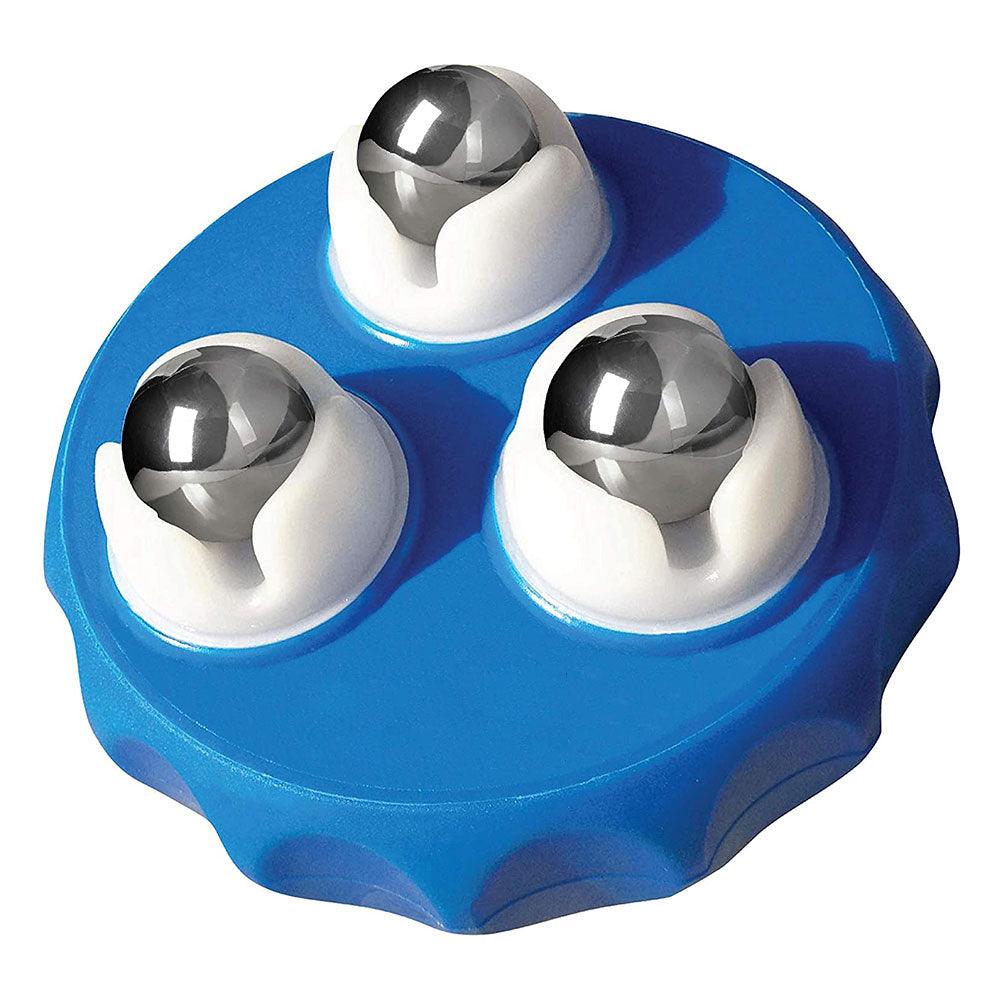
- Massage and Recovery Tools - Foot massage tools can help stimulate circulation and relieve tension in the plantar fascia.
These solutions are trusted by medical professionals, physical therapists, and athletes worldwide.
How to Prevent Heel Pain
Taking proactive steps can help reduce the risk of heel pain developing or returning.
Helpful prevention strategies include:
- Wearing supportive footwear with proper cushioning
- Stretching calf muscles regularly
- Gradually increasing exercise intensity
- Maintaining a healthy weight to reduce foot stress
- Replacing worn-out athletic shoes
- Using supportive orthotics when needed
Consistent mobility and proper footwear can significantly reduce stress on the heel.
PLEASE NOTE: The information on this website and article is for information only and should not be used as a substitute for consulting your doctor. Consult your doctor for proper diagnosis and rehabilitation.