



Suffering from heel pain is bad enough but not knowing what’s causing it or how to make it stop just makes it worse! Terms like heel spurs and Plantar fasciitis (PLAN-tur fas-e-I-tis) get used interchangeably but how do you determine what’s causing the pain in your heel when walking?
Quick Answer: Heel Spur vs Plantar Fasciitis
The main difference between heel spurs and plantar fasciitis is the source of the discomfort.
- Plantar fasciitis is inflammation of the plantar fascia, the band of tissue that runs along the bottom of the foot.
- Heel spurs are bony growths on the heel bone that can develop over time, often near irritated tissue.
If your heel pain feels like walking on bone, feels sharp first thing in the morning, or shows up as outer heel pain when walking, plantar fasciitis may be more likely — but only a medical professional can confirm the exact cause.
- Define Your Pain
- Why Your Heel Feels Like Walking on Bone
- What’s the Difference Between Heel Spurs and Plantar Fasciitis?
- Heel Spur vs Plantar Fasciitis Comparison Table
- What is Plantar Fasciitis?
- What is a Heel Spur?
- Treating a True Heel Spur
- Recommended Support for Heel Pain
- Heel Spur vs Plantar Fasciitis FAQs
Define Your Pain
While nothing replaces a diagnosis from a physician, a few simple questions can help you narrow down your plan of action.
Do you have…
- An incredible pain in the heel when walking? Especially after you take your first steps in the morning or after getting up from being seated for a while?
- A sharp, stabbing heel pain?
- Are you experiencing side heel pain? Or maybe outer heel pain?
- Heel feels like walking on bone?
- Heel pain that feels like it's also in your arch?
- Pain that subsides after walking around for a while?
Any one or even all of these symptoms could indicate plantar fasciitis. Heel spurs don’t always cause pain. In fact, heel spurs often show up unexpectedly on X-rays taken for some other problem.

Why Your Heel Feels Like Walking on Bone
If your heel feels like walking on bone, it may be because the soft tissue around the heel is irritated or because your heel is not getting enough cushioning and shock absorption with each step. Many people describe this as feeling like they are stepping directly on a hard surface, rock, or bruise.
This feeling can happen with plantar fasciitis, heel spurs, or general heel pain caused by repeated pressure from walking, standing, running, or wearing shoes without enough support.
If you are experiencing outer heel pain when walking, side heel pain, or pain that feels sharp after rest, it is important to look at when the pain happens and how it feels. That can help you better understand whether plantar fasciitis or a heel spur may be involved.
So, What's the Difference Between Heel Spurs and Plantar Fasciitis?
Is your heel pain from heel spurs or plantar fasciitis? Find out below!
Heel Spur vs Plantar Fasciitis: Key Differences
| Feature | Plantar Fasciitis | Heel Spur |
|---|---|---|
| What it is | Inflammation or irritation of the plantar fascia | A bony growth on the heel bone |
| Common pain location | Base of the heel and sometimes the arch | Front or underside of the heel bone |
| What it may feel like | Sharp, stabbing heel pain, especially after rest | Heel feels like walking on bone, rock, or hard pressure point |
| When pain is common | First steps in the morning or after sitting | Standing or walking, especially with irritated tissue nearby |
| How it is confirmed | Evaluation by a medical professional | X-ray of the heel bone |
What is Plantar Fasciitis?
The plantar fascia is a broad band of fibrous tissue that runs along the bottom of the foot from the heel to the forefoot. This band connects the heel bone to the toes and creates the arch of the foot. Plantar fasciitis is the inflammation of the plantar fascia which happens when the plantar fascia is overstretched or overused.
With this condition, the pain is felt in the base of the heel and can make even everyday walking difficult. According to the Mayo Clinic®, “about 90 percent of the people who have plantar fasciitis recover with conservative treatments in just a few months.”
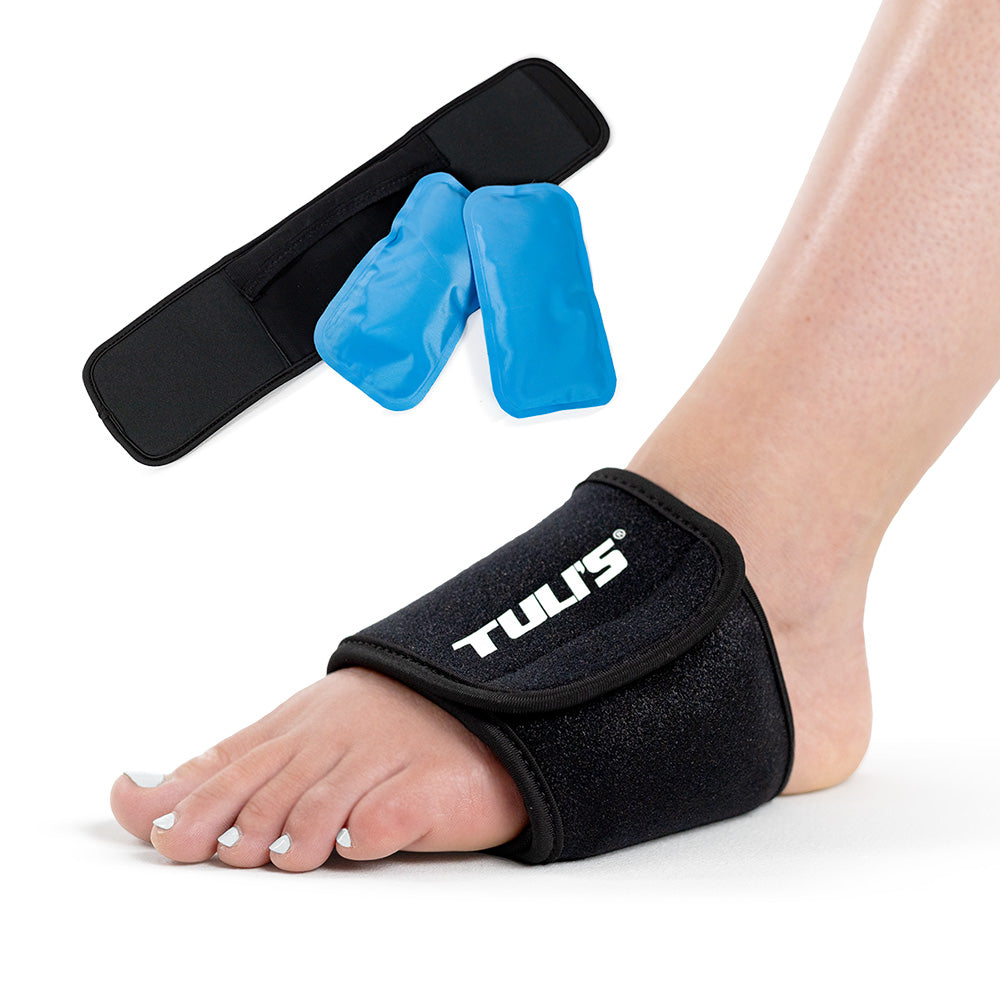
The two most important steps you can take to treat plantar fasciitis is to use a quality heel cup in your shoes and to perform targeted stretching exercises designed to maintain good flexibility throughout the interconnective chain of the lower leg. In addition to these plantar fasciitis treatments, it is recommended that you reduce your activity level when experiencing severe pain and apply ice to the affected area regularly.
Support for Plantar Fasciitis Heel Pain
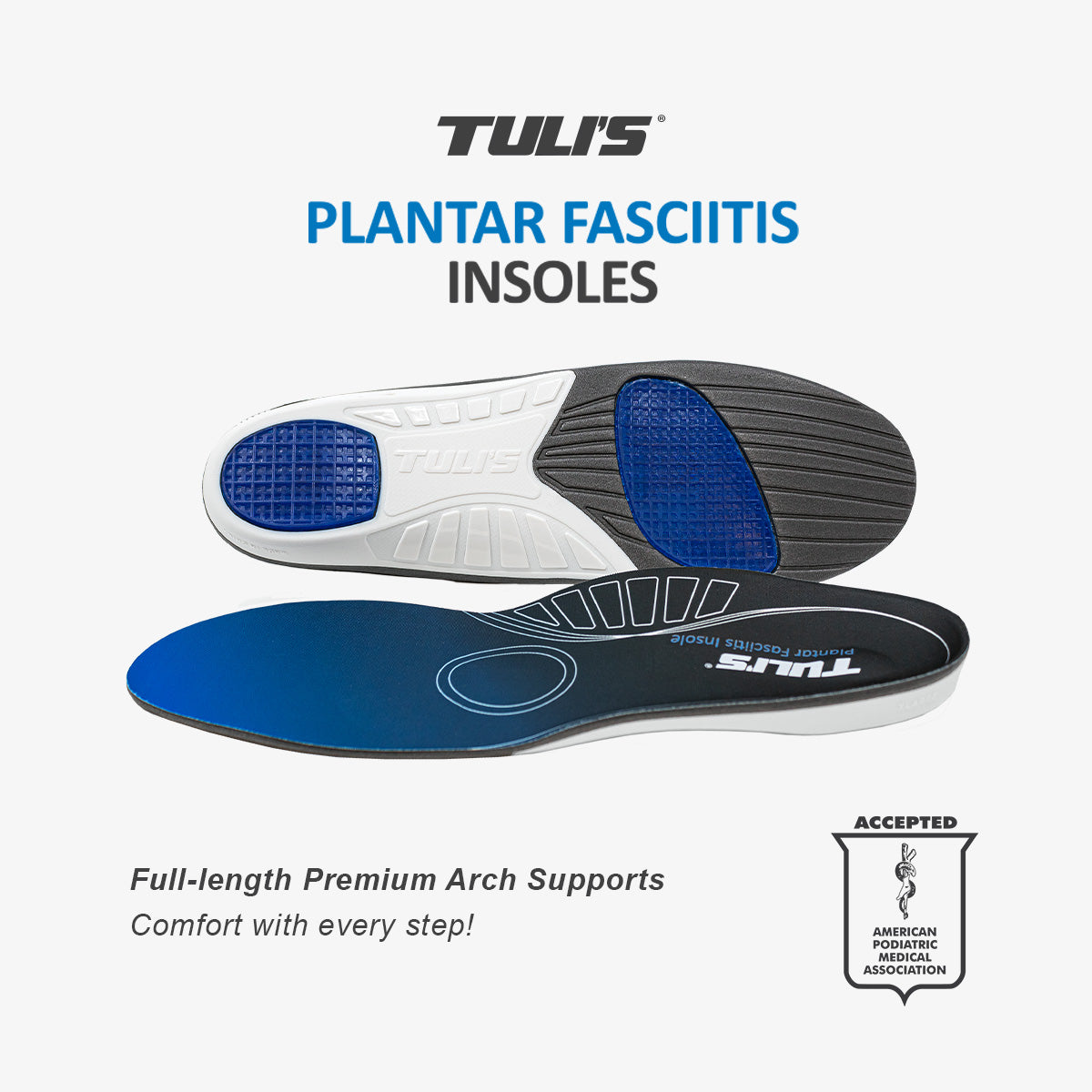
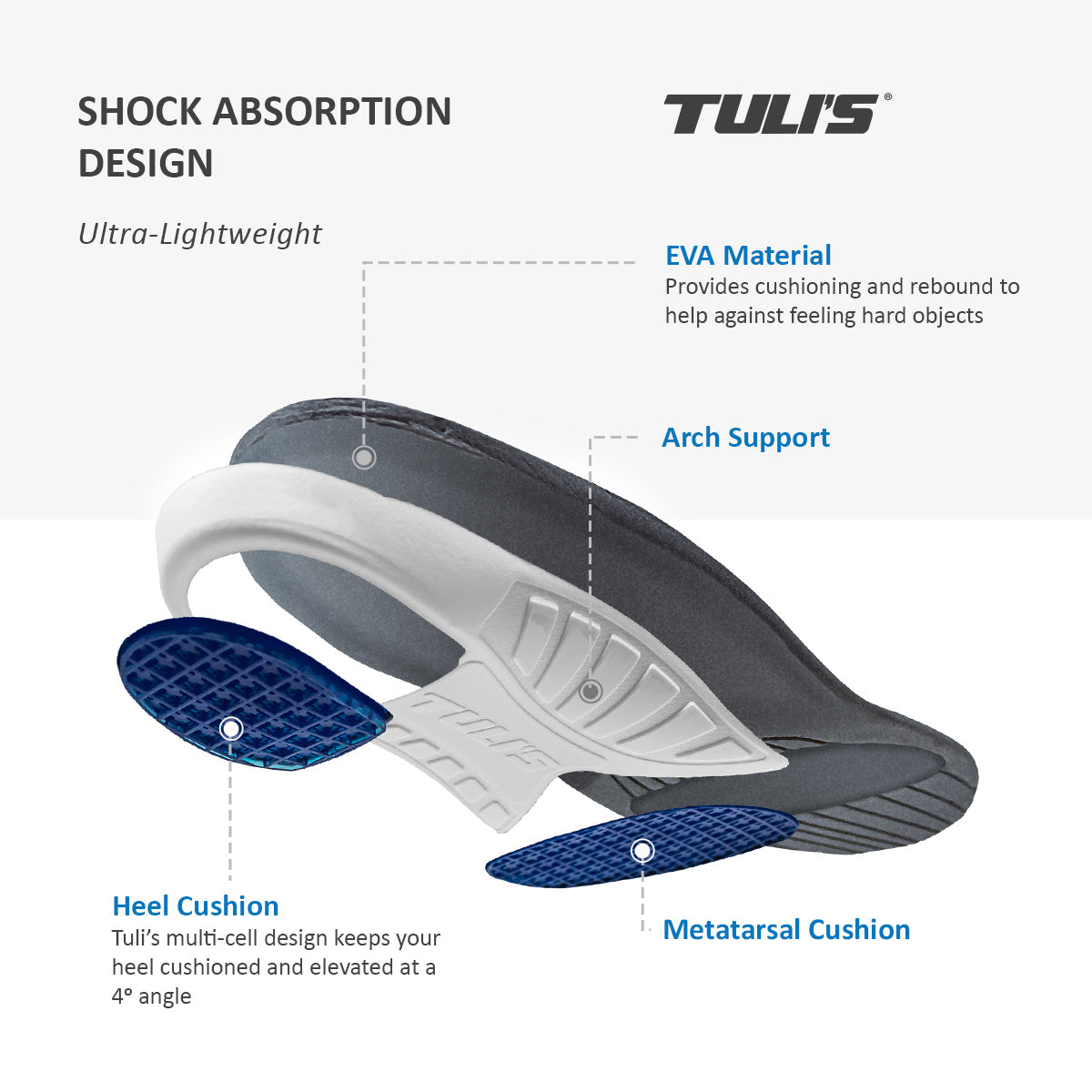
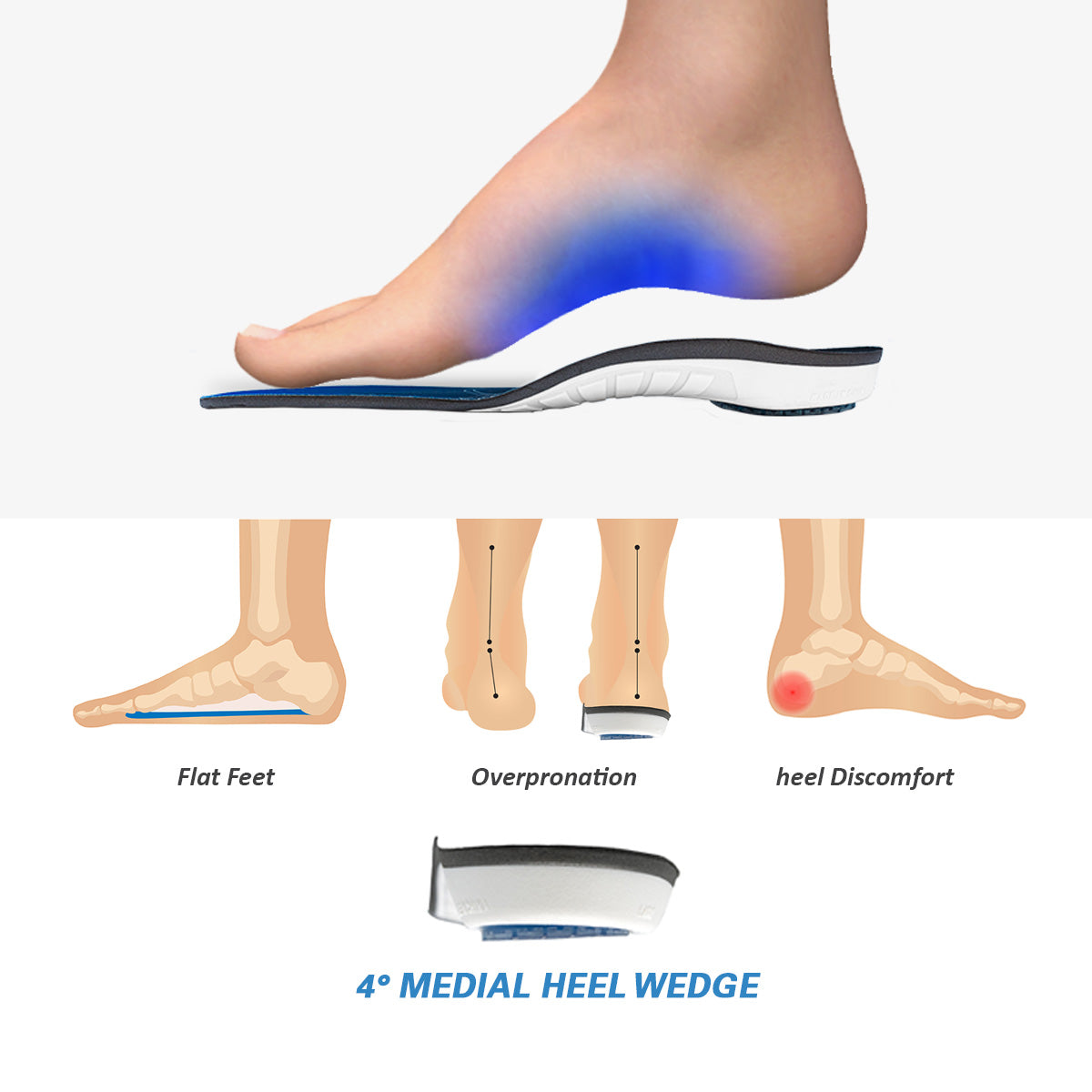
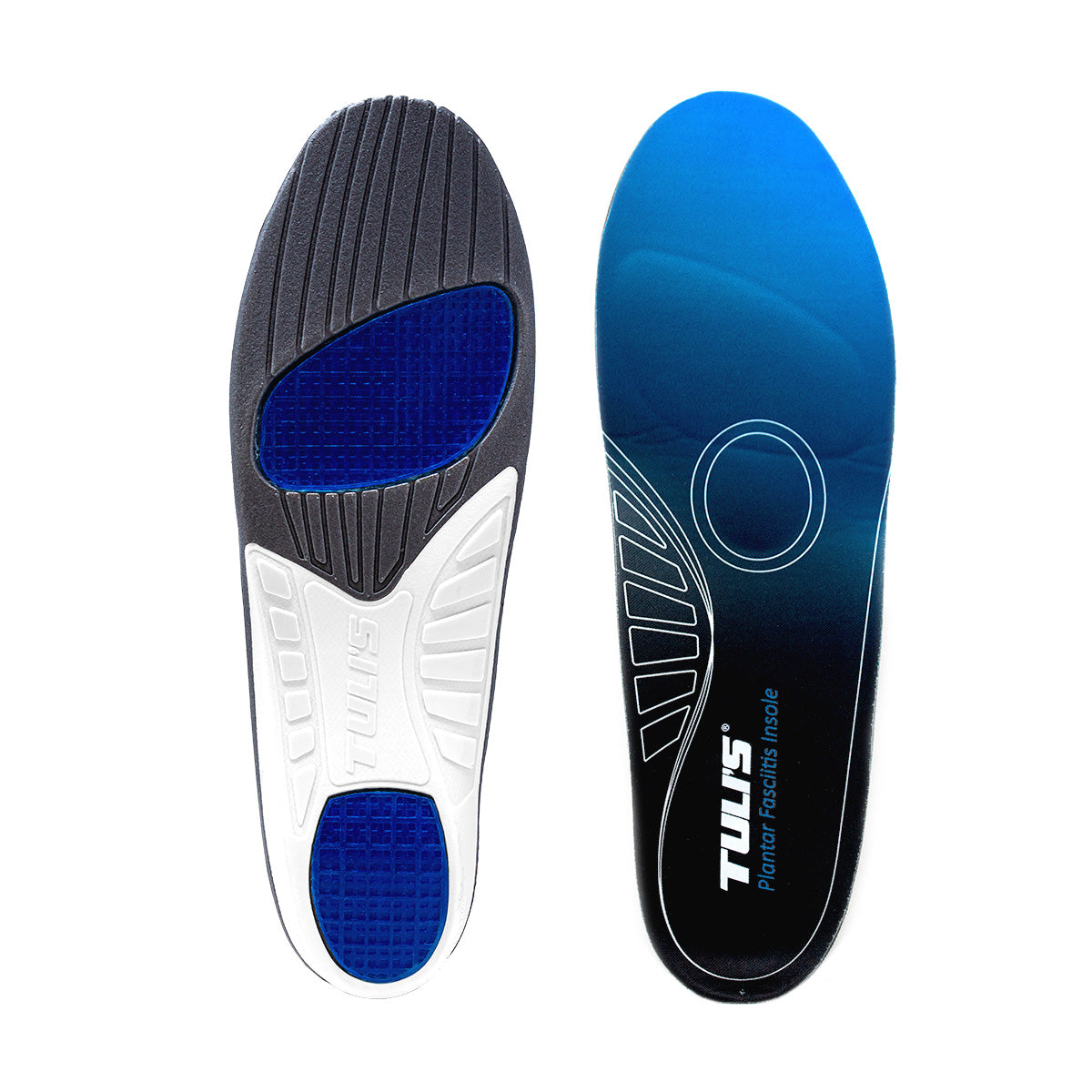
If your symptoms sound more like plantar fasciitis, supportive insoles and heel cushioning may help reduce strain on the plantar fascia and add comfort with each step.
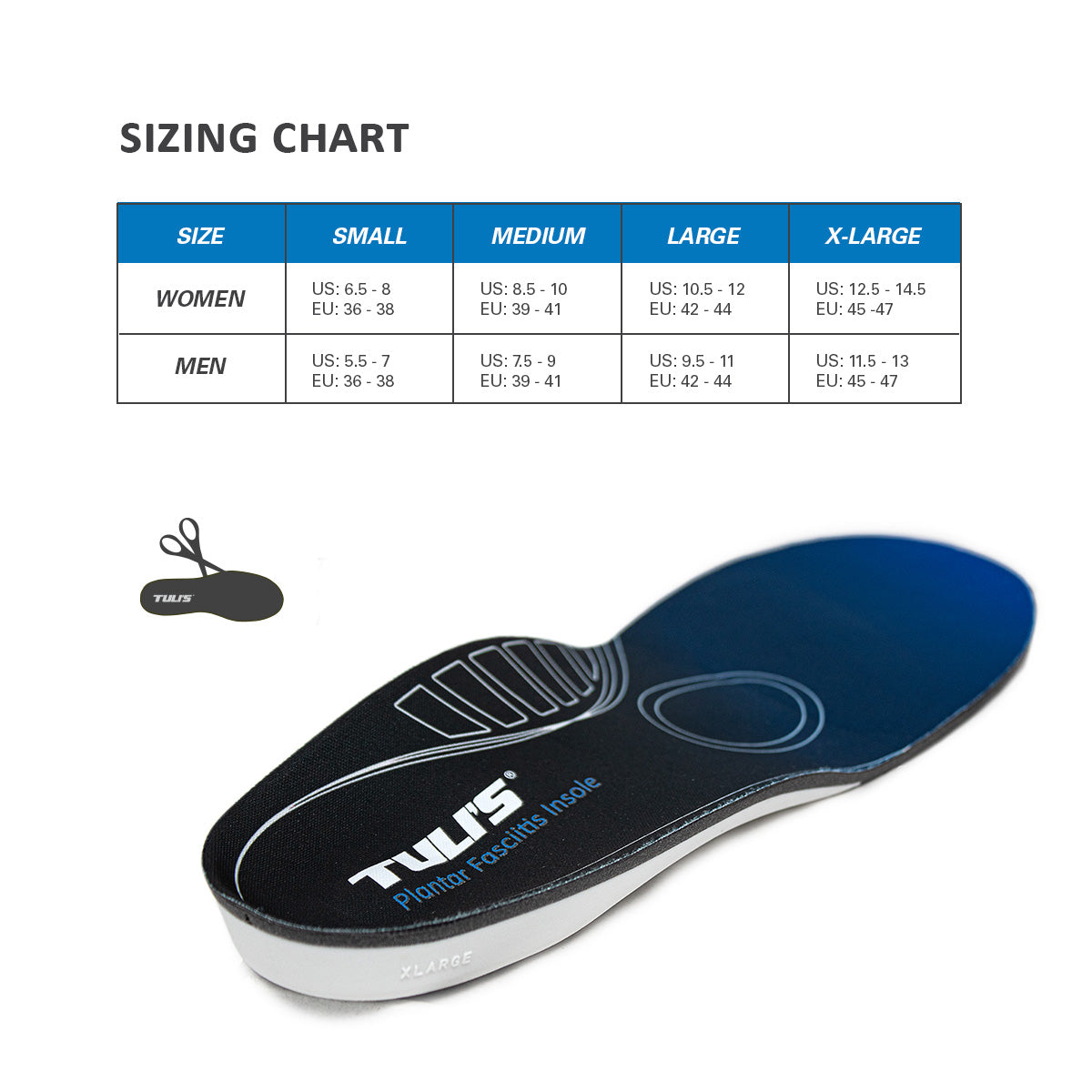
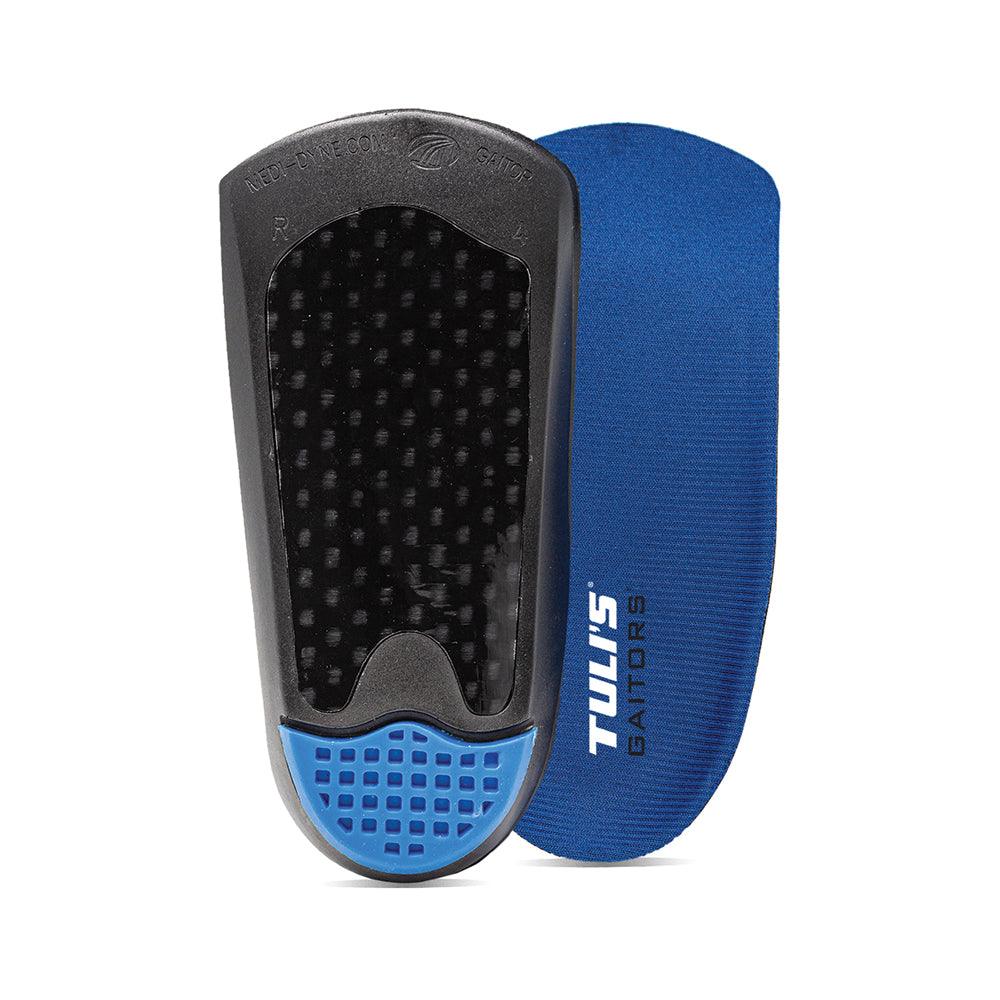
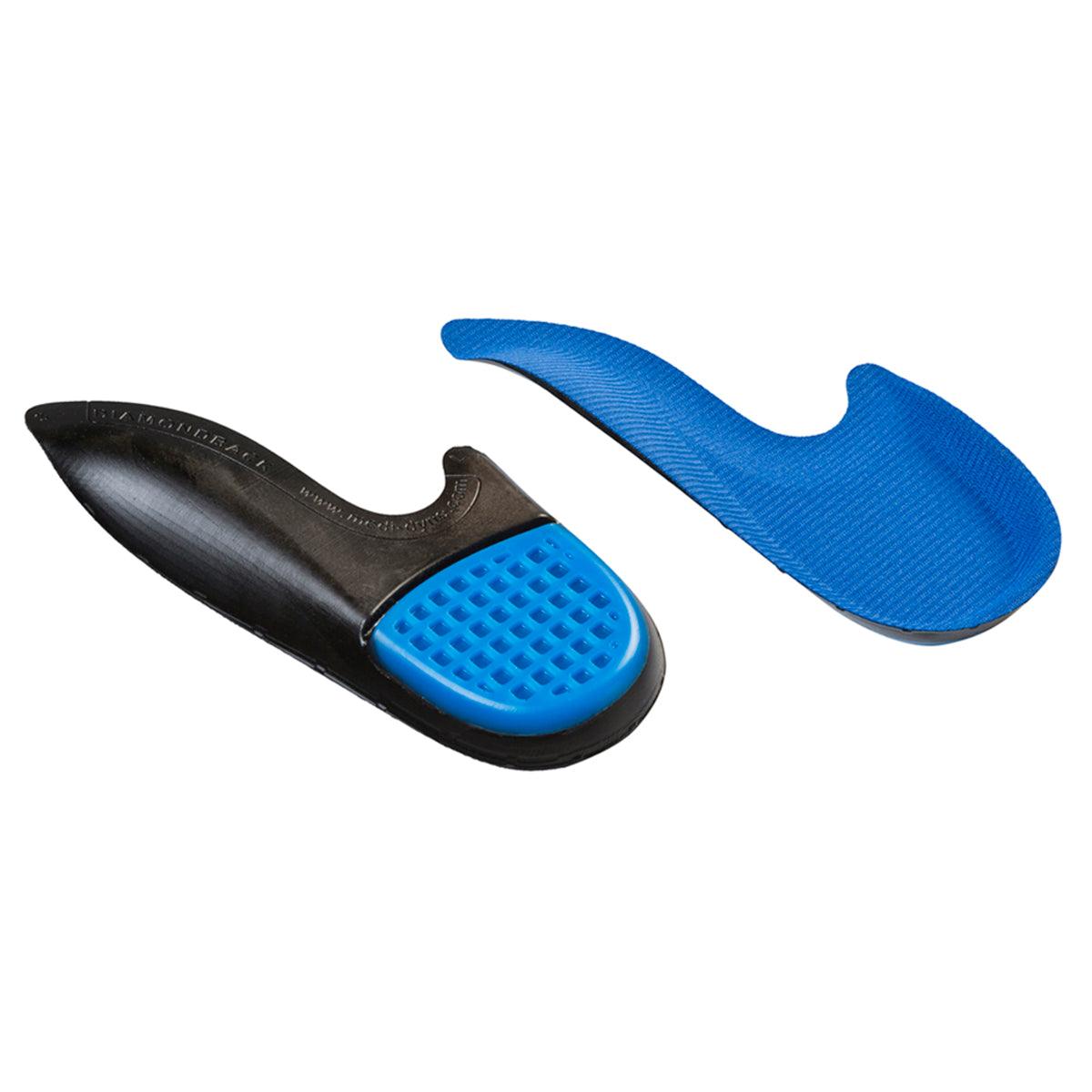
- Tuli’s Plantar Fasciitis Insoles — designed to support the arch and help reduce stress on the plantar fascia.
- Tuli’s Heavy Duty and Classic Heel Cups — help add cushioning and shock absorption inside your shoes.

What is a Heel Spur?
A heel spur is a sharp bony growth at the front side of the heel bone (Calcaneus). It usually begins on the front of your heel bone and points toward the arch of your foot — without you realizing it.
Heel spurs can cause pain in the back of the foot, especially while standing or walking. However, it should be noted that the heel spur itself is actually not causing any pain. It is the inflamed tissue around the spur that causes pain and discomfort.
Many people who suffer from heel pain are quick to conclude that they have heel spurs but general heel pain as described earlier is much more likely to be Plantar fasciitis. Only an X-ray of the heel bone will prove whether a person has a true heel spur.
Support for Heel Spur Discomfort
If your pain is connected to heel spurs or feels like direct pressure on the heel bone, cushioning and shock absorption can help reduce pressure on the heel during daily movement.
- Tuli’s Dual Density Heel Cups — designed to cushion and support the heel area.
- Tuli’s Heavy Duty Heel Cups — a good option when you need maximum shock absorption.

TREATING A TRUE HEEL SPUR
In the past, doctors often performed surgery to remove heel spurs, believing them to be the cause of the pain. Most of that pain is now determined to be associated with plantar fasciitis. In treating plantar fasciitis now, doctors rely more on ice, heel cups, arch supports, physical therapy, and pain medications.
Sufferers from heel spurs can find relief by using a quality heel cup or arch support in their shoes. The Tuli’s' Dual Density Heel Cups are great for adding some cushion as well as absorbing shock! A heel cup will provide extra cushion to the heel and reduce the amount of pressure and shock that your foot experiences.
Treating heel spurs can take some time but sufferers who use heel cups, choose sensible shoes, and include stretching and strengthening exercises for the plantar fascia and other surrounding structures such as the Achilles tendon can expect significant pain relief.

Recommended Support for Heel Pain
Not sure if your heel pain is from heel spurs or plantar fasciitis? Start by choosing support based on what you feel most.
| If your heel pain feels like... | Consider this support |
|---|---|
| Sharp heel pain in the morning or after sitting | Tuli’s Plantar Fasciitis Insoles |
| Heel feels like walking on bone | Tuli’s Heavy Duty Heel Cups |
| Everyday heel discomfort in casual or dress shoes | Tuli’s Classic Heel Cups |
| Heel spur-related pressure or direct heel discomfort | Tuli’s Dual Density Heel Cups |

Heel Spur vs Plantar Fasciitis FAQs
How do you know if you have plantar fasciitis or heel spur?
You may be dealing with plantar fasciitis if your heel pain is sharp, located near the base of the heel, and worse with your first steps in the morning or after sitting. A heel spur may be involved if the pain feels more like direct pressure on the heel bone or if it feels like walking on a hard object. However, only a medical professional can confirm the exact cause, and an X-ray is typically needed to confirm a true heel spur.
What’s worse, a bone spur or plantar fasciitis?
Plantar fasciitis is often more painful day to day because it involves irritated or inflamed tissue that is stressed every time you walk. A heel spur itself does not always cause pain. In many cases, the discomfort comes from the inflamed tissue around the spur, not the spur alone.
Do spurs in your heel go away?
Heel spurs usually do not go away on their own because they are bony growths. However, the pain and discomfort connected to heel spurs can often improve with conservative support, cushioning, stretching, better footwear, and reduced pressure on the heel.
How can you tell the difference between heel spur and plantar fasciitis?
The biggest difference is how the pain behaves. Plantar fasciitis often causes sharp heel pain after rest, especially during the first steps in the morning. Heel spur discomfort may feel more like localized pressure or the sensation that your heel feels like walking on bone. Since symptoms overlap, a proper diagnosis is the best way to know for sure.
Can outer heel pain when walking be plantar fasciitis?
Outer heel pain when walking can happen for different reasons. Plantar fasciitis usually causes pain near the bottom of the heel and arch, but some people may describe the pain as side heel pain or outer heel pain. If the pain continues, worsens, or changes how you walk, it is best to speak with a medical professional.