



If you’re living with plantar fasciitis, you already know how sharp and frustrating heel pain can feel. But you may have noticed something specific: Your pain gets worse on tile. It flares up in the kitchen. It throbs after standing on concrete. You’re not imagining it. There’s a clear reason why plantar fasciitis hurts more on hard floors, and understanding it gives you power to reduce the pain.
- What is Plantar Fasciitis?
- Why Plantar Fasciitis Hurts More on Hard Floors
- Can Walking on Hard Floors Cause Plantar Fasciitis?
- Standing on Hard Surfaces and Plantar Fasciitis
- How Do You Reduce Pain from Plantar Fasciitis on Hard Floors?
- How Do You Treat Plantar Fasciitis During Pregnancy?
- The Bottom Line: Why Plantar Fasciitis Hurts More on Hard Floors
What Is Plantar Fasciitis?
Plantar fasciitis happens when the plantar fascia, the thick band of tissue along the bottom of your foot, becomes irritated from repeated stress.
This tissue:
- Connects your heel bone to your toes
- Supports your arch
- Absorbs shock when you walk
When it’s overstretched or overloaded, tiny tears form. That’s when you feel:
- Sharp heel pain (especially in the morning)
- Pain after long periods of standing
- Tenderness directly under the heel
- Now let’s talk about hard floors.

Why Plantar Fasciitis Hurts More on Hard Floors
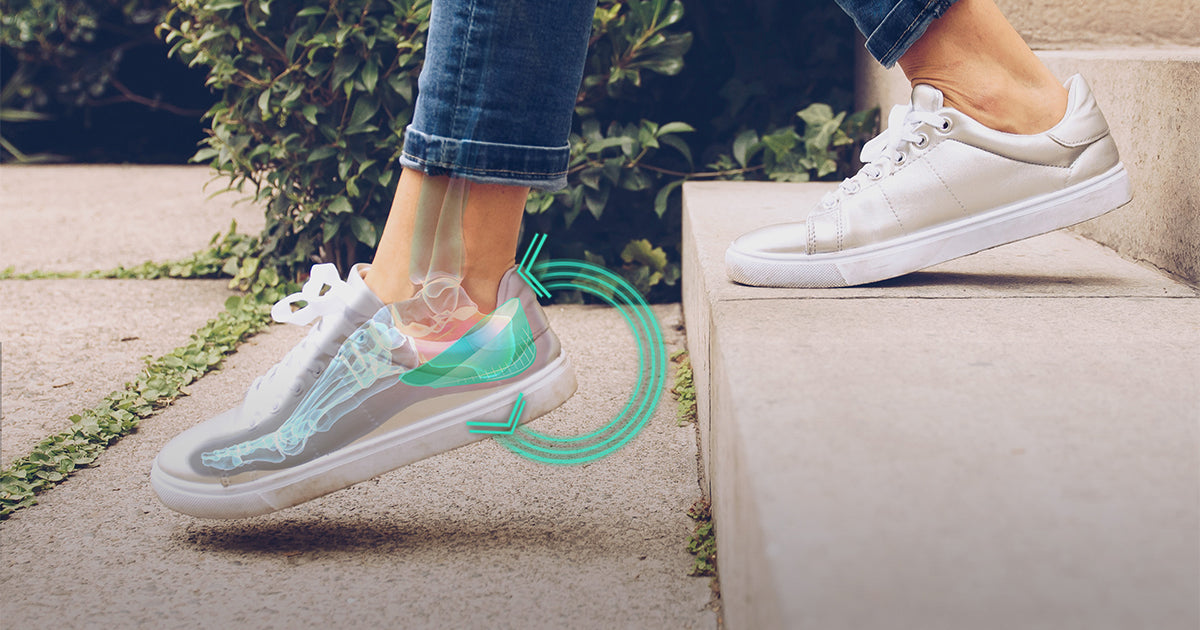
Hard surfaces like tile, hardwood, and concrete don’t absorb shock. They reflect force right back into your heel.
Here’s what that means for you:
1. Zero Cushion = Maximum Impact
Every step you take creates force. On softer surfaces, some of that force is absorbed. On hard floors, it travels straight into your heel and plantar fascia.
If your plantar fascia is already inflamed, that extra impact makes the pain sharper.
2. Your Heel Fat Pad Gets Compressed
Under your heel is a natural fat pad designed to cushion impact. Over time, or with repeated stress, that pad thins and flattens.
On hard floors, there’s nothing helping it. The result? More direct pressure on the irritated fascia.
3. You’re Likely Barefoot Indoors
Many people with plantar fasciitis walk barefoot at home. Without arch support or cushioning, your plantar fascia stretches more with every step.
Hard floor + barefoot = increased strain.
That’s a common reason why plantar fasciitis hurts more on hard floors inside your own home.
Can Walking on Hard Floors Cause Plantar Fasciitis?
Yes, it can contribute to developing plantar fasciitis.
Walking or standing on hard surfaces for long periods increases stress on the plantar fascia. Over time, this repeated strain can trigger inflammation.
You may be at higher risk if you:
- Stand for work on concrete or tile
- Wear flat or unsupportive shoes
- Have flat feet or high arches
- Recently increased activity
- Are pregnant or have experienced weight changes
Hard floors alone don’t “cause” plantar fasciitis. But combined with overuse and lack of support, they absolutely increase your risk.
Standing on Hard Surfaces and Plantar Fasciitis
If your job keeps you on your feet, you might notice your heel pain gets worse as the day goes on. Standing on hard surfaces with plantar fasciitis:
- Increases constant tension on the fascia
- Reduces natural shock absorption
- Fatigues the small stabilizing muscles in your feet
- Leads to end-of-day throbbing heel pain
This isn’t weakness. It’s mechanical overload. Your foot needs help absorbing impact.
How Do You Reduce Pain from Plantar Fasciitis on Hard Floors?
You don’t need complicated solutions. You need support and shock absorption.
Stop Walking Barefoot Indoors
Even at home, wear supportive footwear.
Add Heel Cushioning
This is where having support matters.
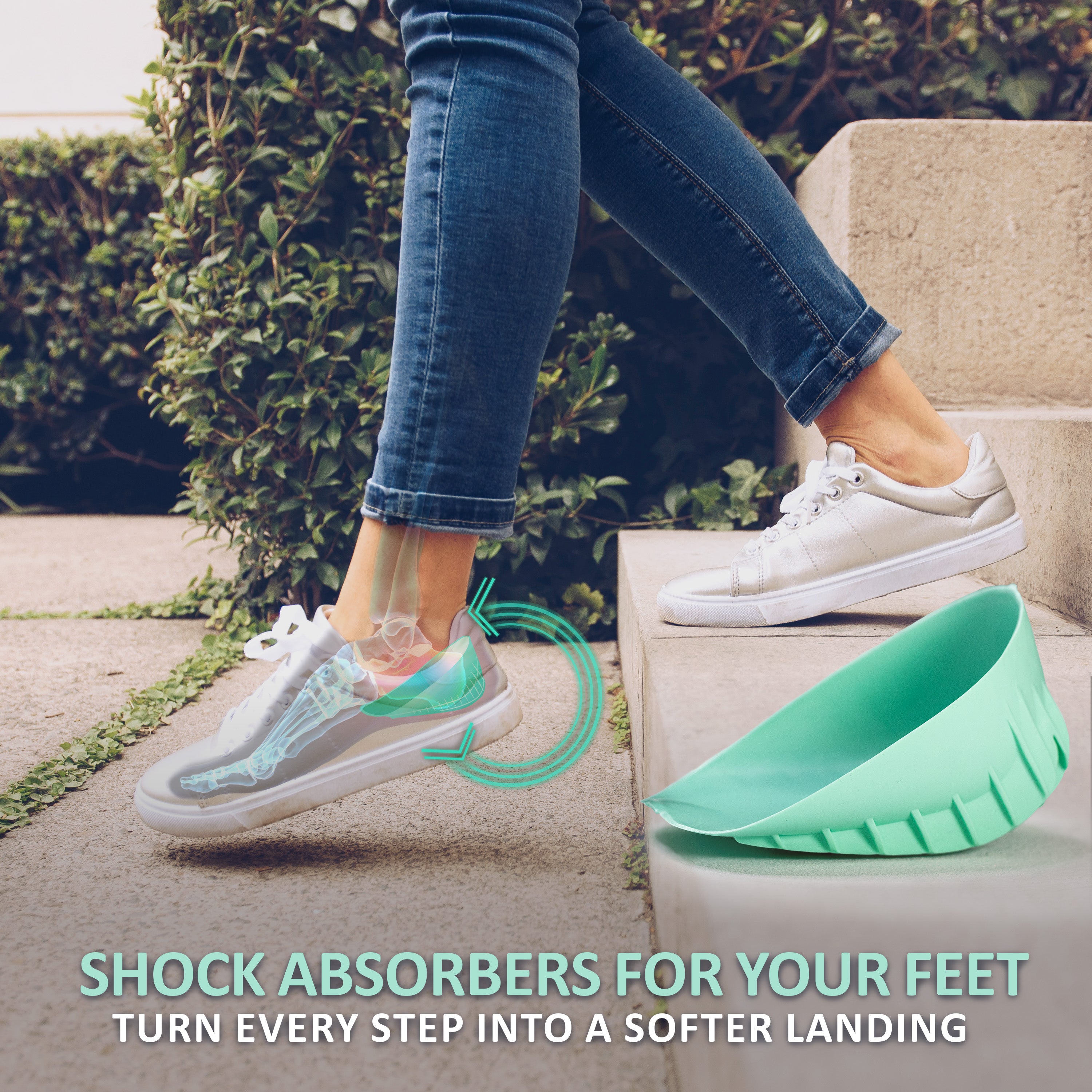
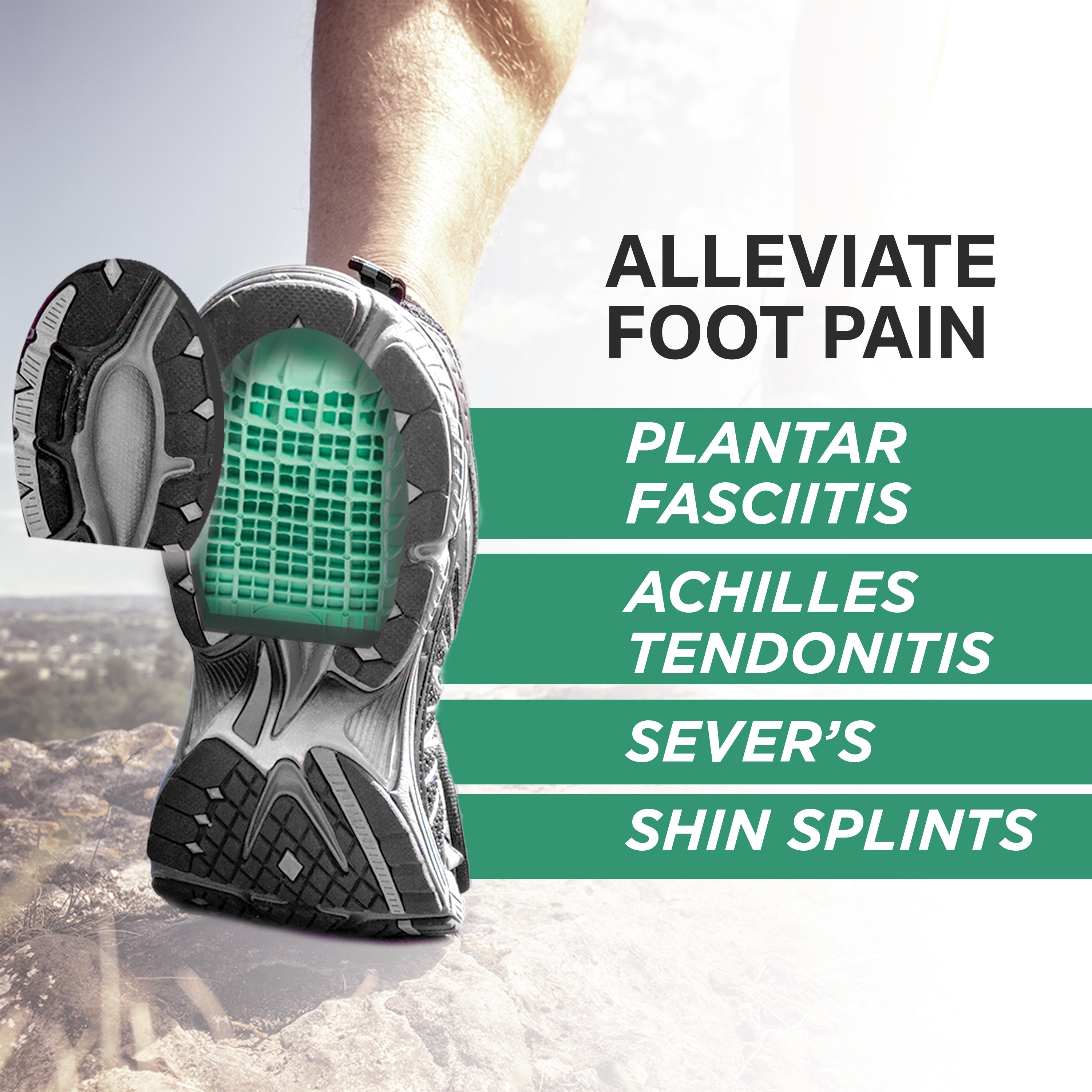
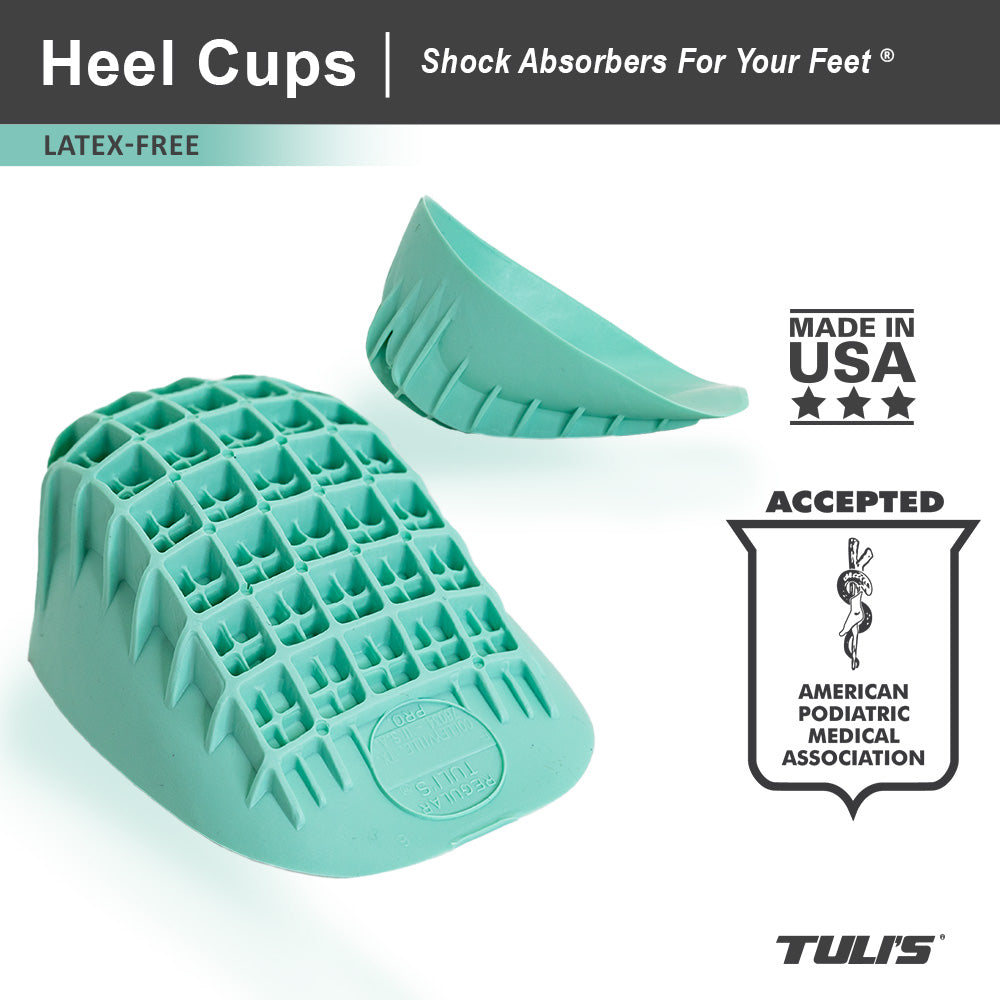
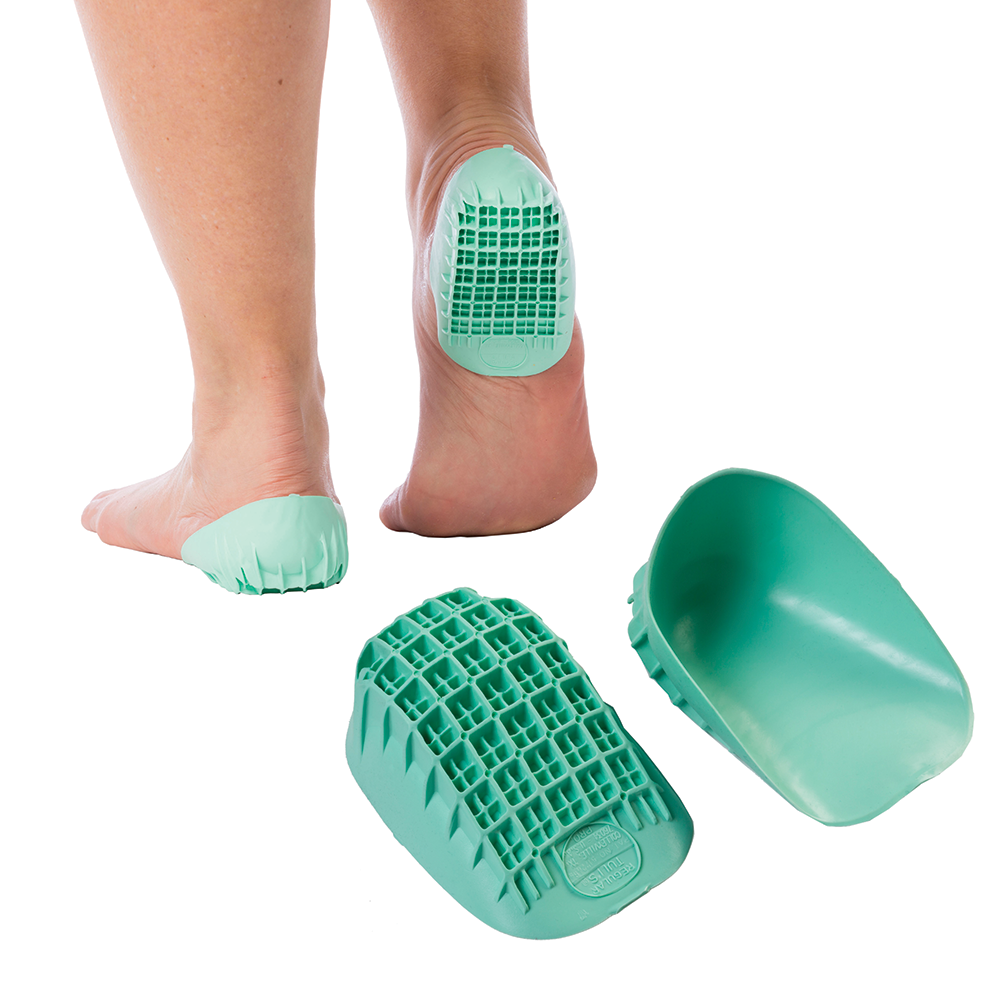
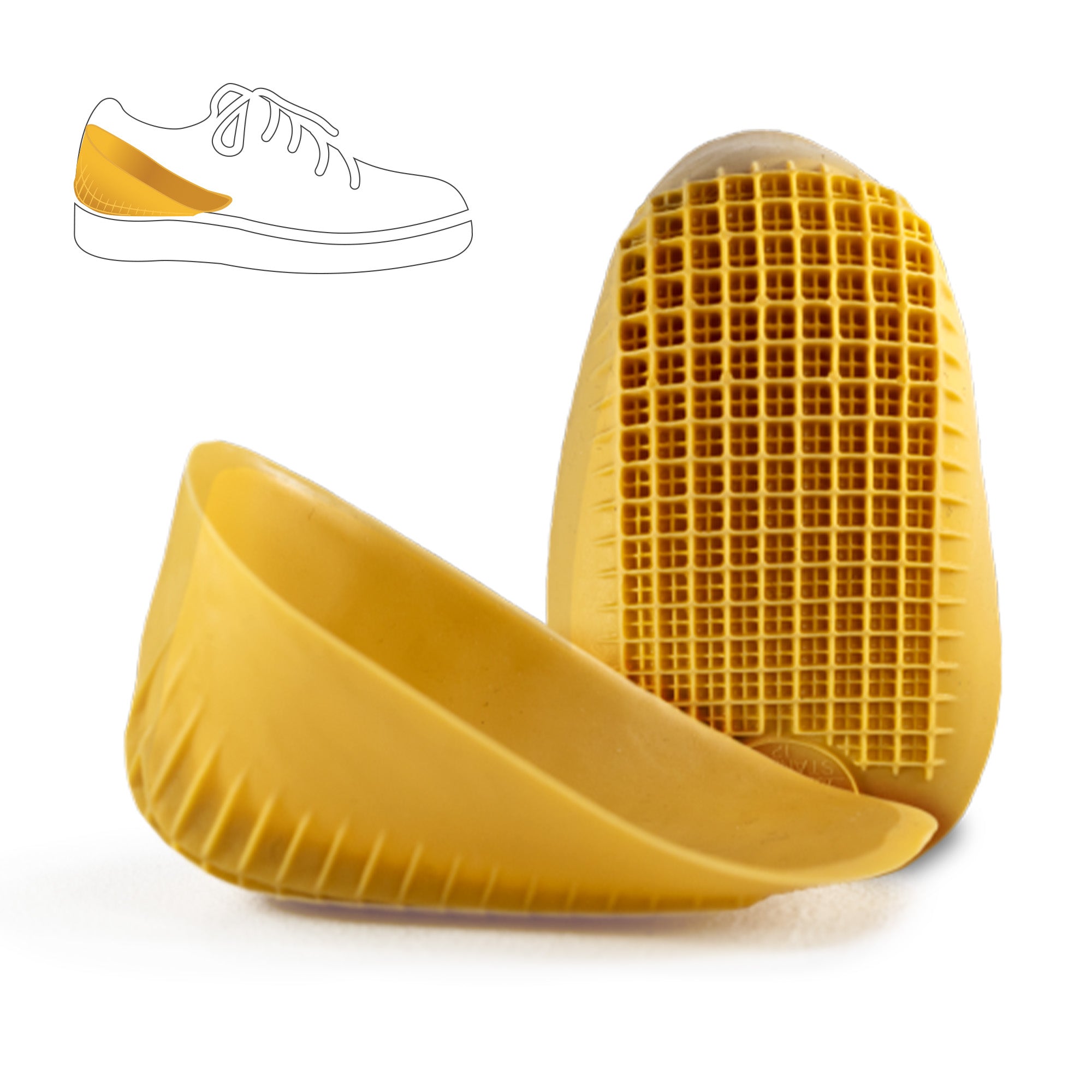
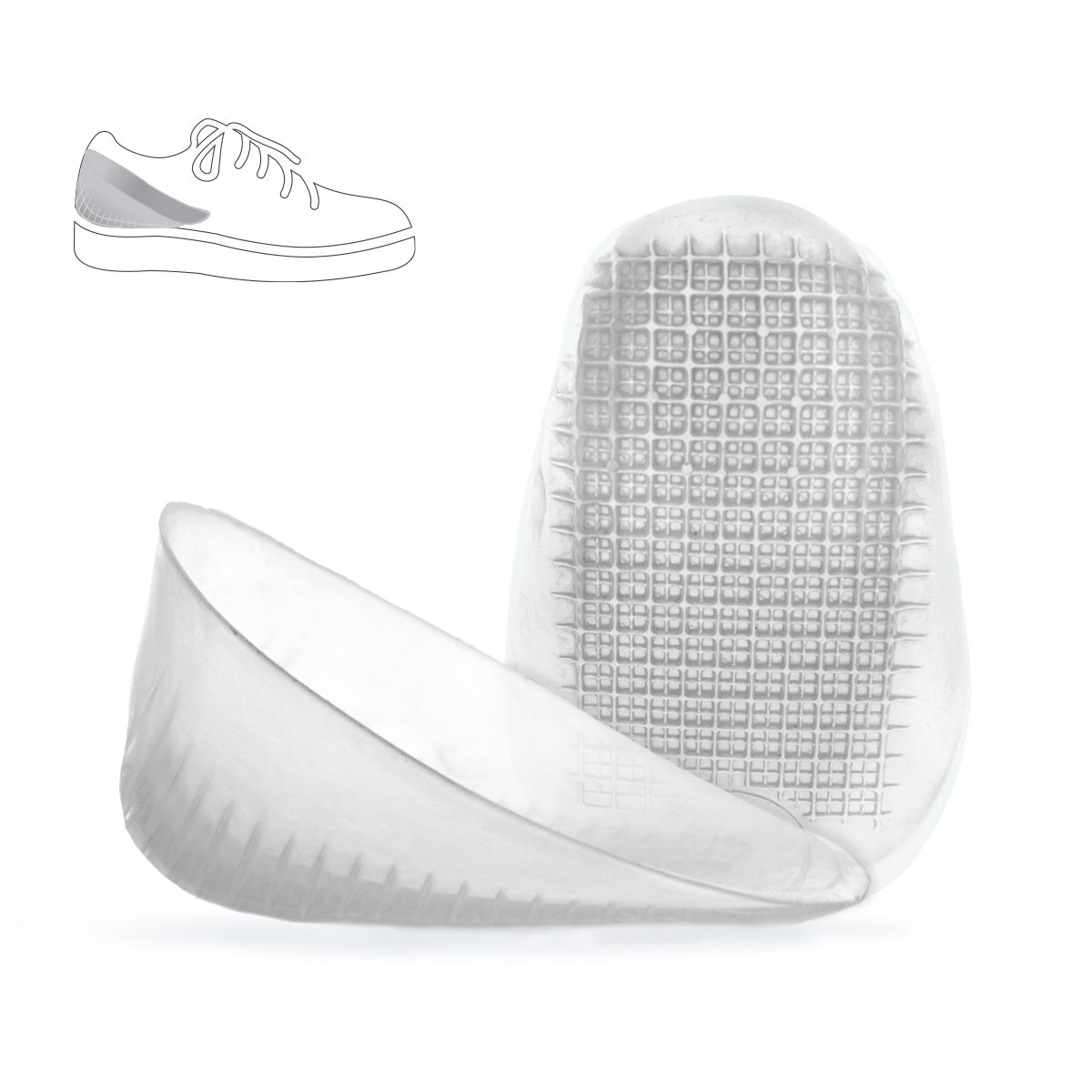
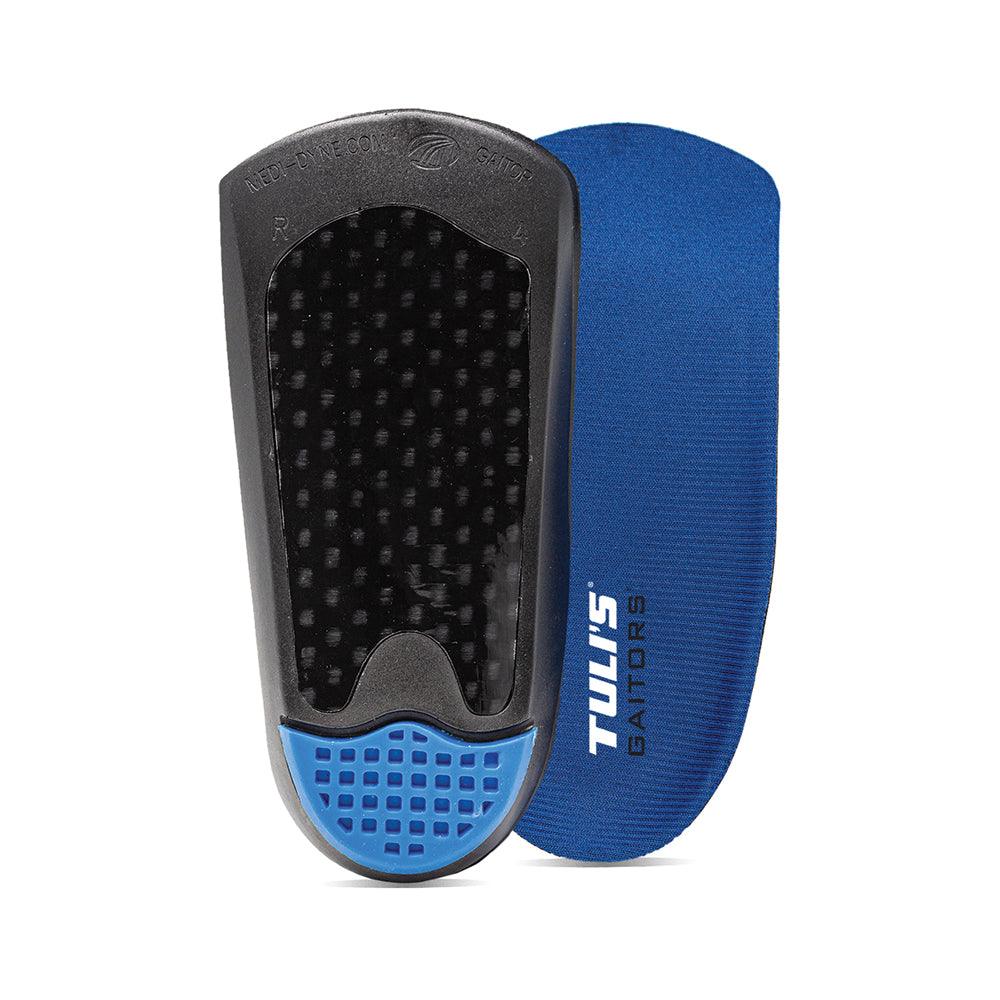
Tuli’s® Heel Cups are designed to help reduce impact and cushion your heel, especially on hard floors. They are the #1 Recommended Heel Cup by Podiatrists* *Based on a blind, independent survey conducted with podiatrists.

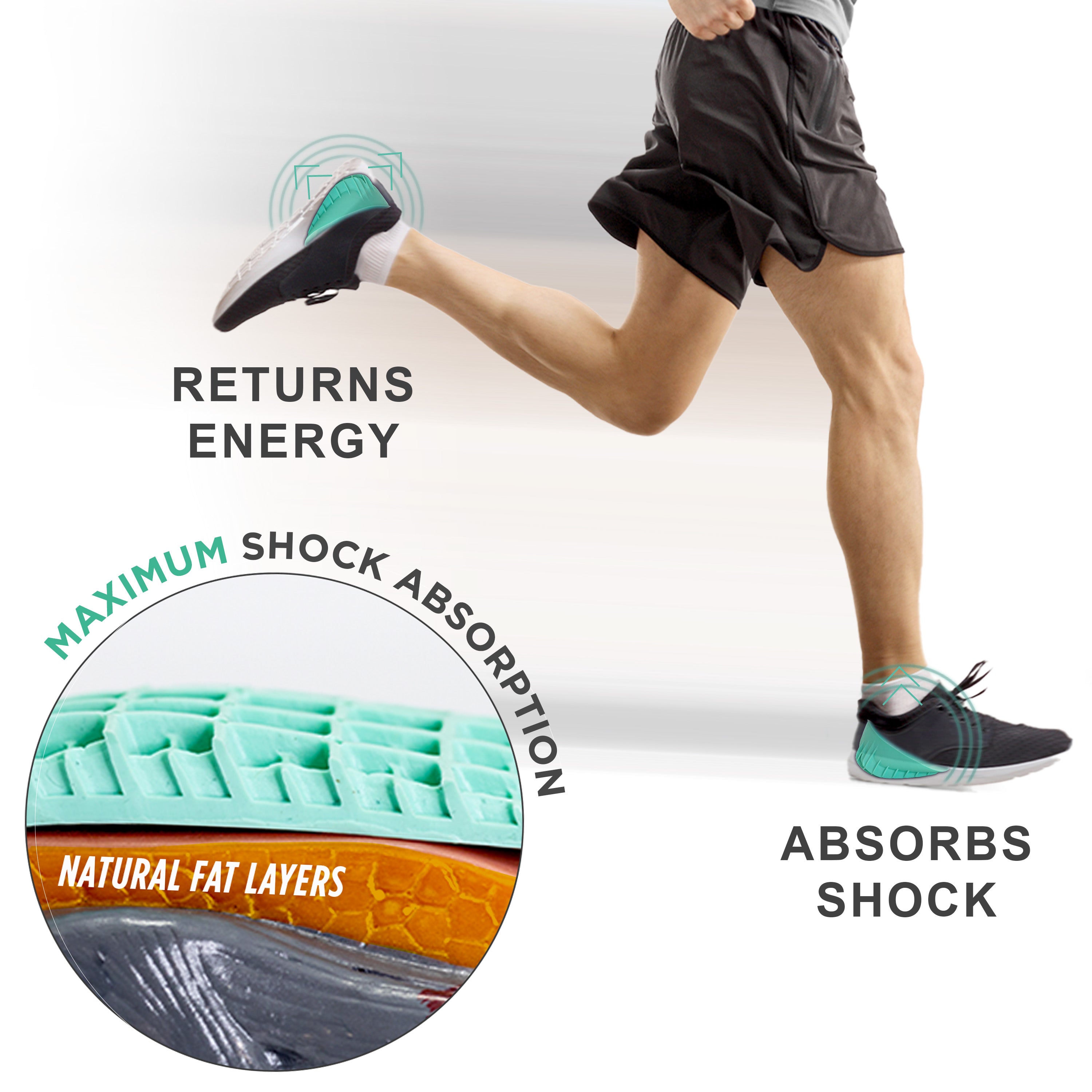
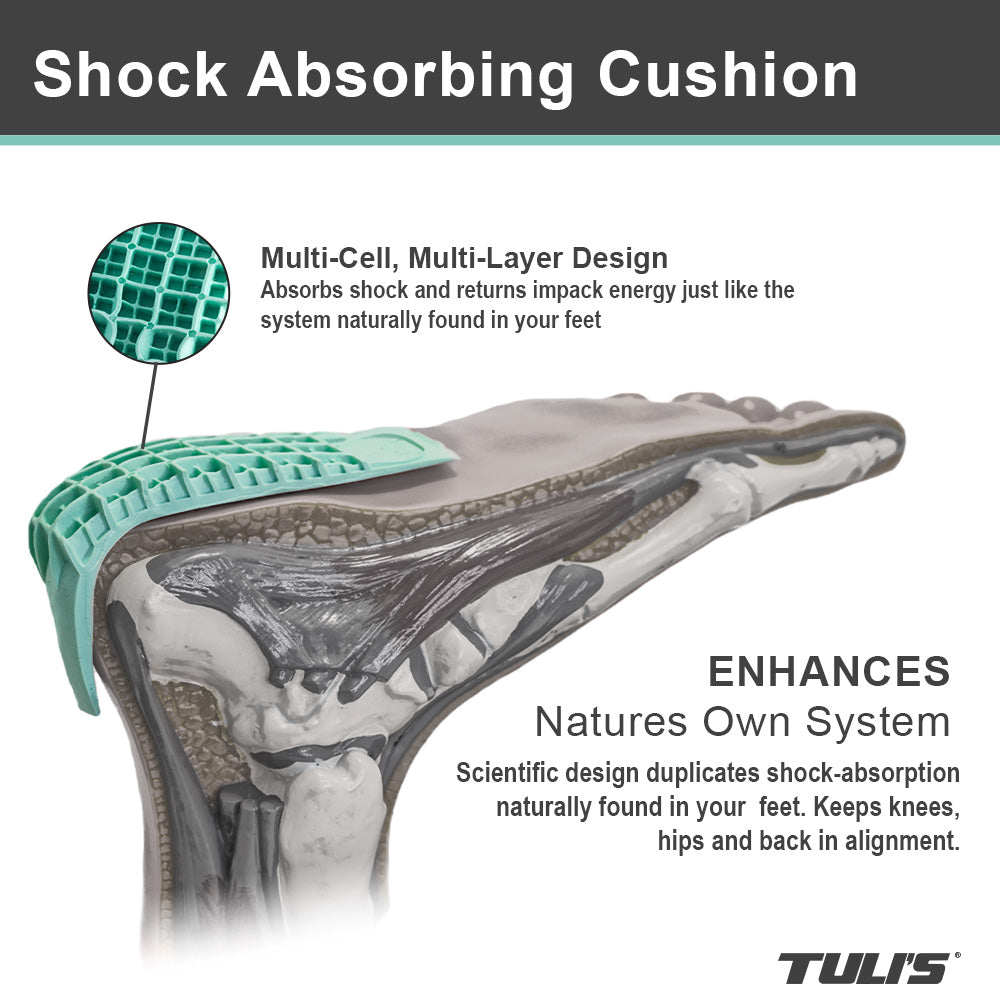
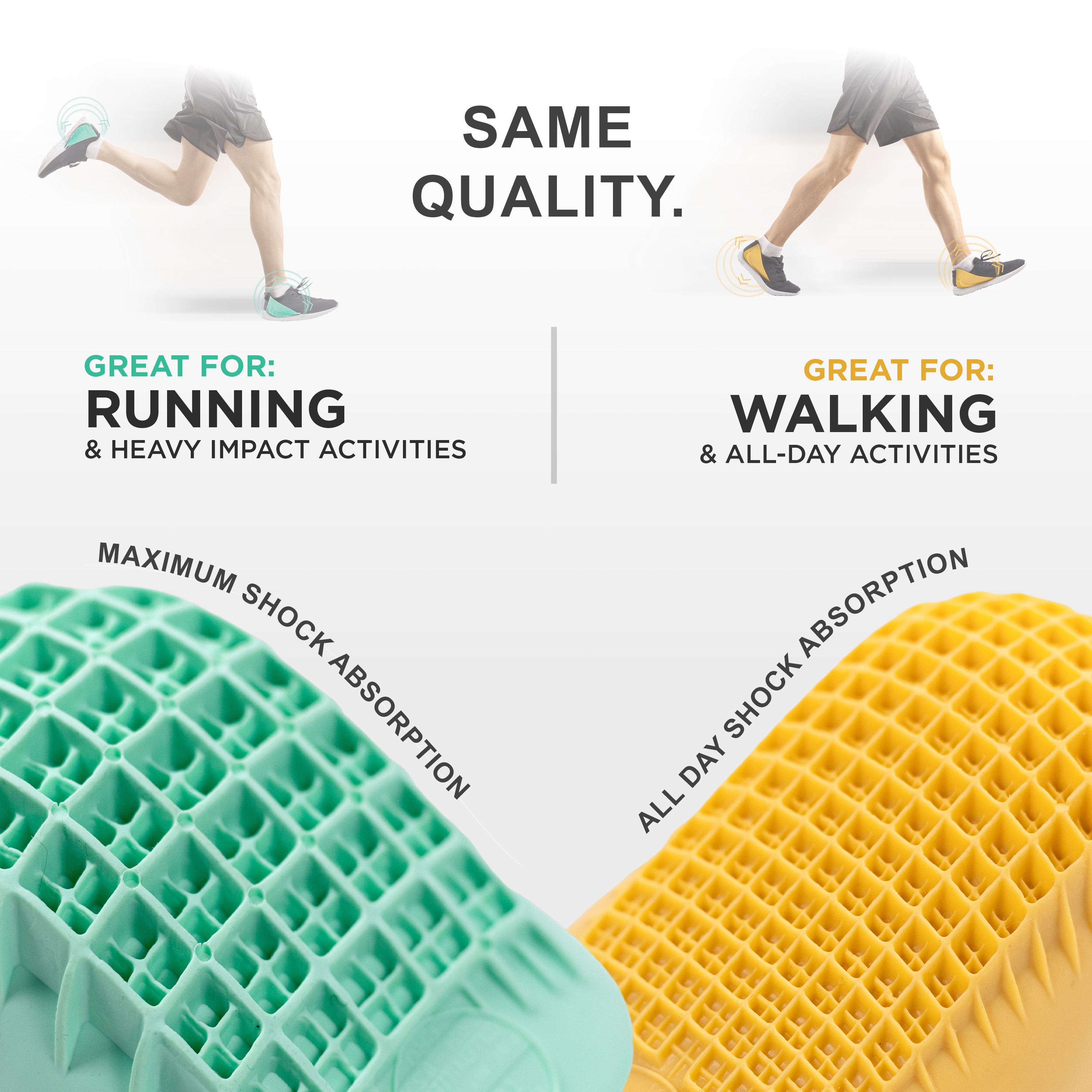
Their multi-cell, multi-layer design helps:
- Absorb shock on tile and concrete
- Support your natural heel fat pad
- Decrease strain on the plantar fascia
- Improve comfort during standing and walking
If plantar fasciitis hurts more on hard floors, adding shock absorption is one of the most effective steps you can take.
Stretch Your Calves Daily
Tight calves increase tension on the plantar fascia. Gentle stretching can reduce that pull.
Rest and lift When Needed
Especially if swelling or soreness increases after long days.
How Do You Treat Plantar Fasciitis During Pregnancy?
Plantar fasciitis during pregnancy is common, and it’s not your fault.
During pregnancy:
- Weight increases
- Arches may flatten
- Hormones loosen ligaments
- Swelling affects foot structure
All of these increase stress on the plantar fascia.
Here’s how you can manage it safely:
✔ Wear Supportive Shoes All Day - Avoid flat sandals or walking barefoot.
✔ Use Shock-Absorbing Heel Cups - Extra cushioning helps reduce pressure from added body weight.
✔ Lift Your Feet - Especially in the evening to reduce swelling.
✔ Stretch Gently - Light calf stretches can reduce strain.
If your pain becomes severe, speak with your healthcare provider for customized advice.
The Bottom Line: Why Plantar Fasciitis Hurts More on Hard Floors
Plantar fasciitis hurts more on hard floors because:
- Hard surfaces don’t absorb shock
- Impact travels directly into your heel
- Barefoot walking increases strain
- Your inflamed plantar fascia can’t tolerate repetitive force
This is a mechanical problem. And mechanical problems respond to mechanical solutions.
When you reduce impact and support your heel properly, you give your plantar fascia a chance to calm down.
You don’t have to accept daily heel pain as normal. With proper support, like shock-absorbing heel cups and proper footwear, you can take meaningful steps toward relief.
Your feet carry you through everything. They deserve protection, especially on hard floors.
PLEASE NOTE: The information on this website and article is for information only and should not be used as a substitute for consulting your doctor. Consult your doctor for proper diagnosis and rehabilitation.