

If you’re dealing with heel pain or plantar fasciitis, you’ve probably heard two common pieces of advice:
- “You need more arch support.”
- “You need better cushioning.”
So which one is right? The truth is, your feet need both, but in the right balance. Understanding heel impact vs. arch support helps you make smarter decisions and avoid worsening your pain.

What Is Heel Impact?
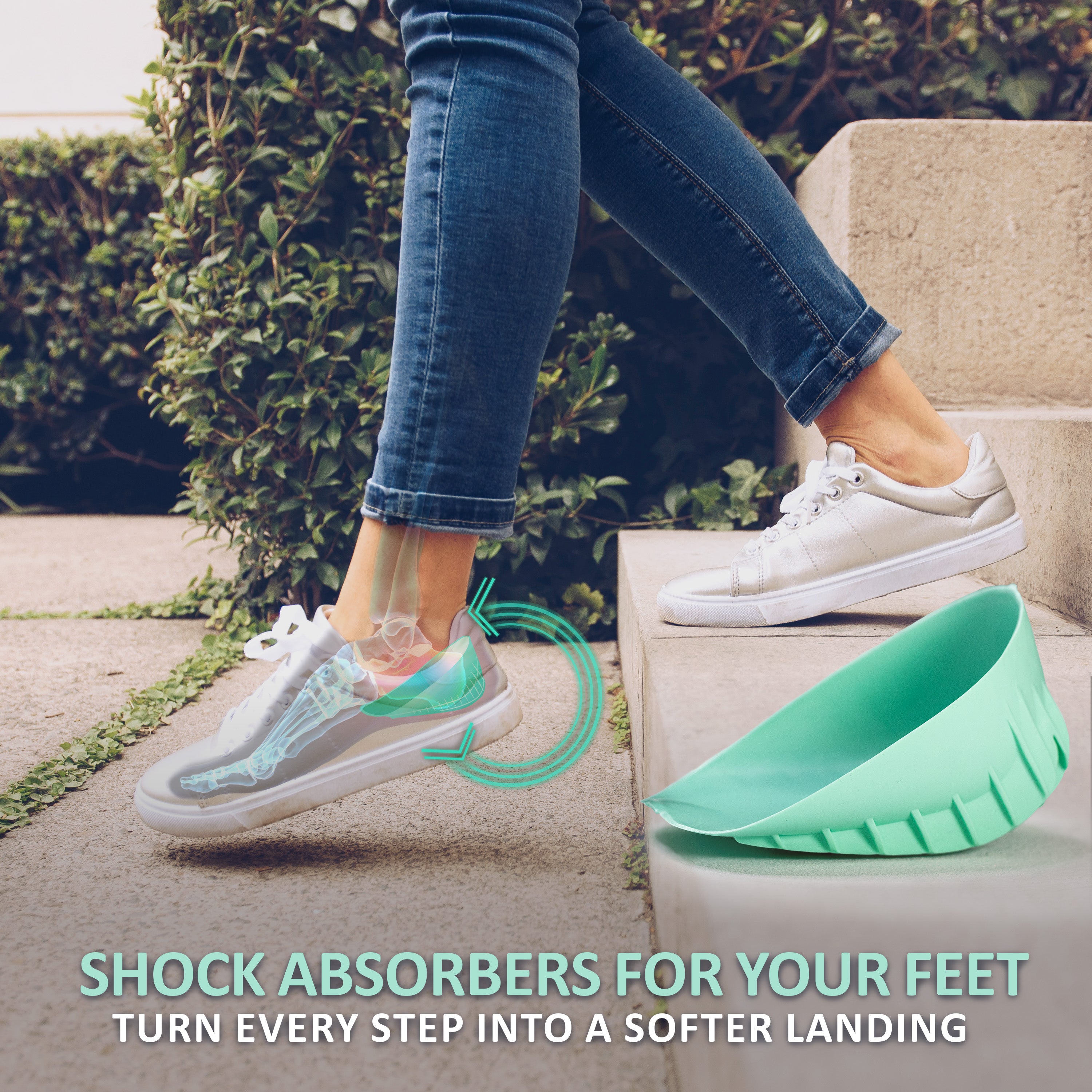
Every time your heel hits the ground, force travels up your foot and into your body. This is called heel strike impact.
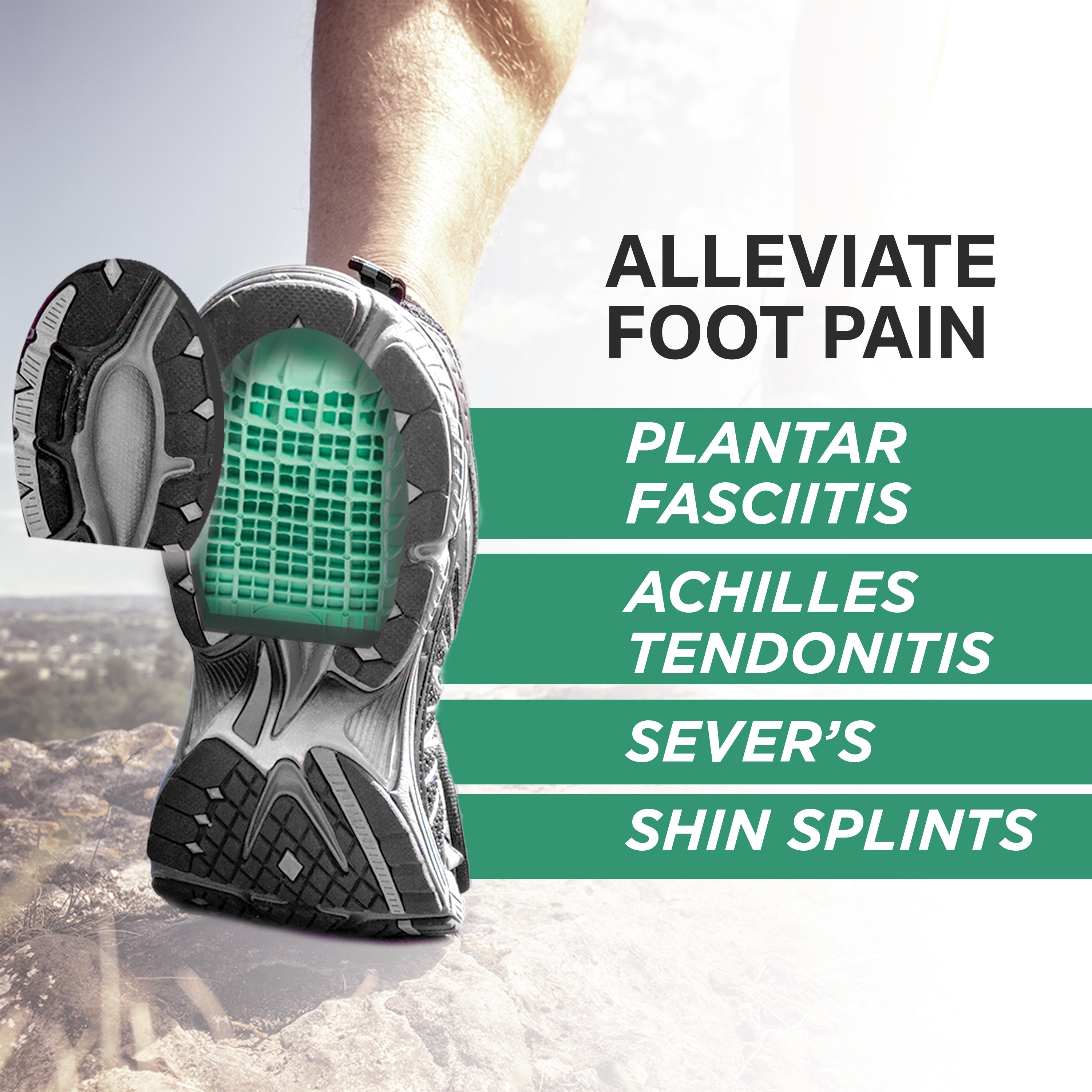
On hard surfaces like tile, hardwood, or concrete, that impact increases because there’s no natural shock absorption. If you have plantar fasciitis or heel pain, this repeated force can:
- Irritate the plantar fascia
- Compress your natural heel fat pad
- Increase inflammation
- Make pain sharper by the end of the day
If your pain feels worse when standing or walking on hard floors, heel impact is likely a major factor.
What Is Arch Support?
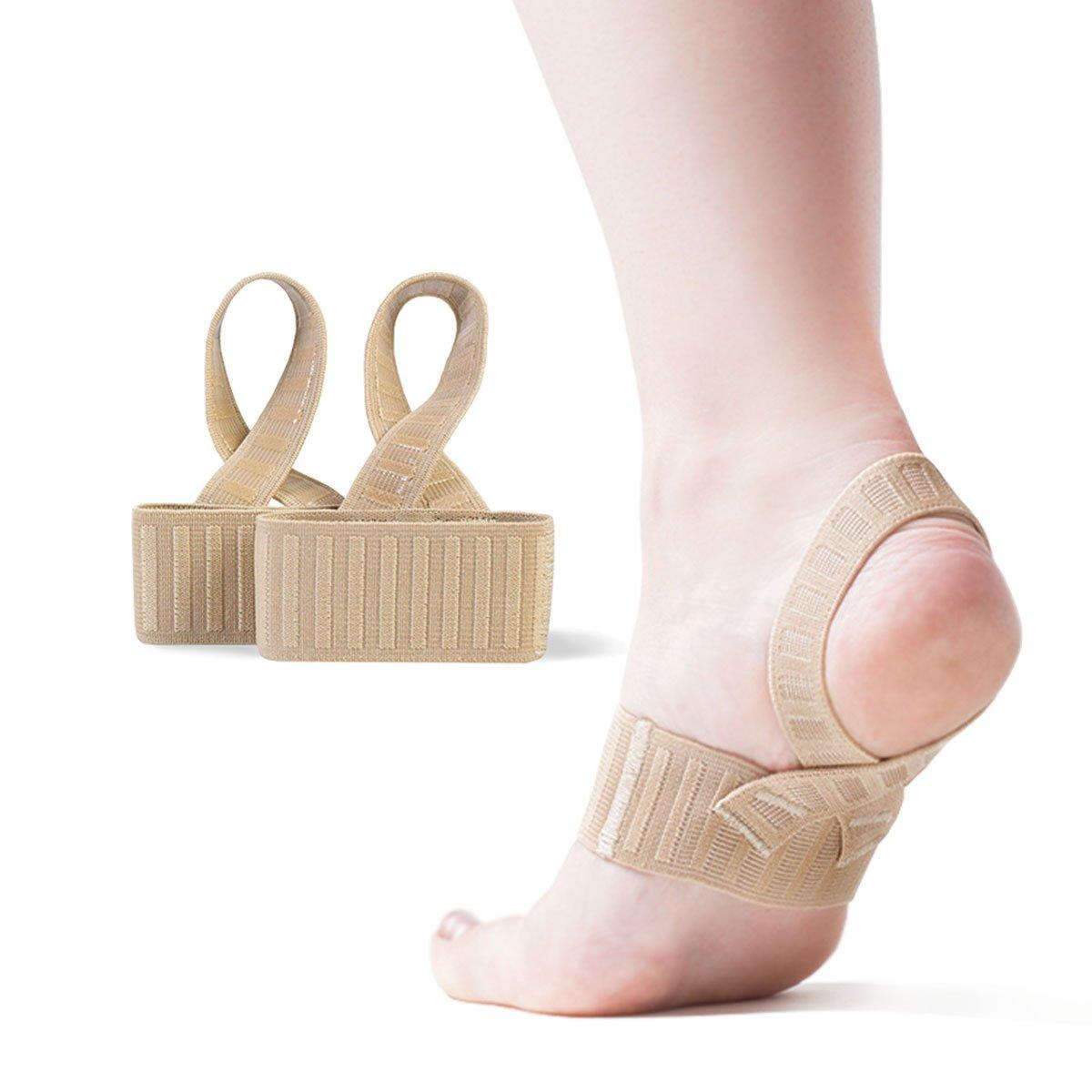
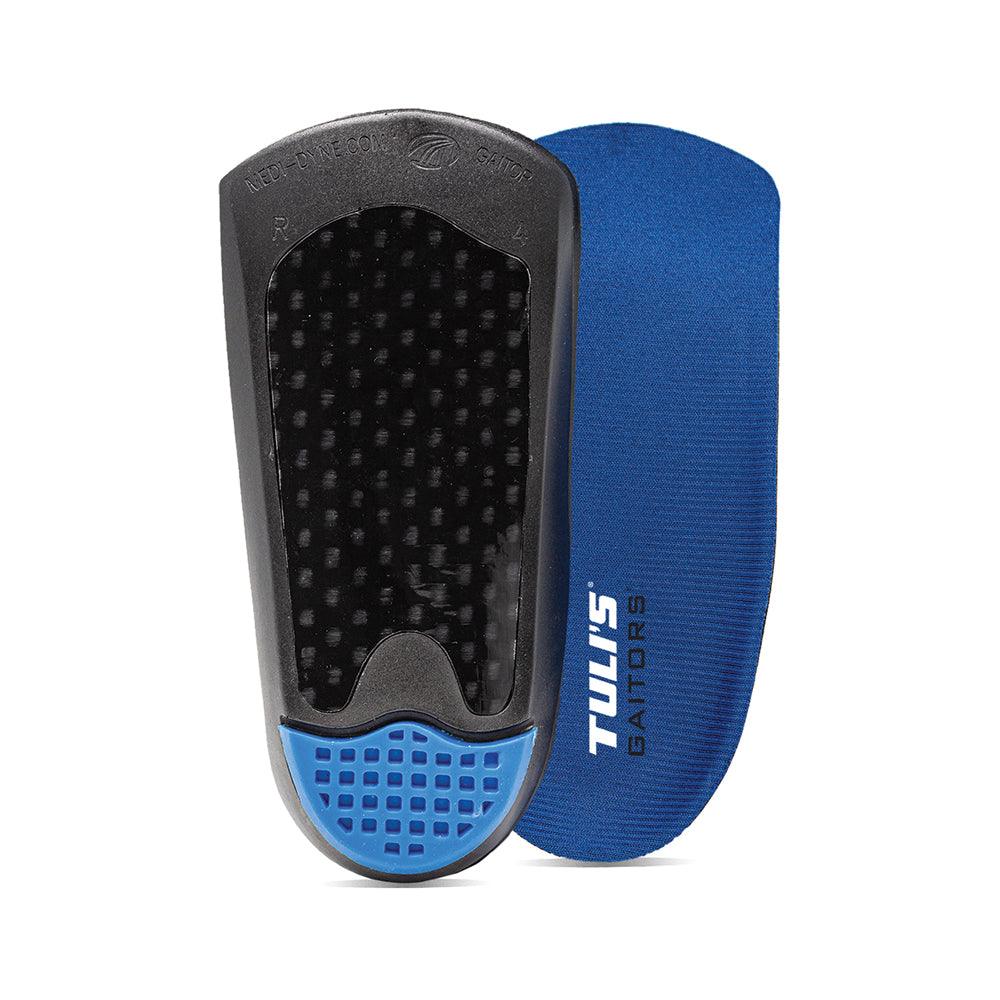
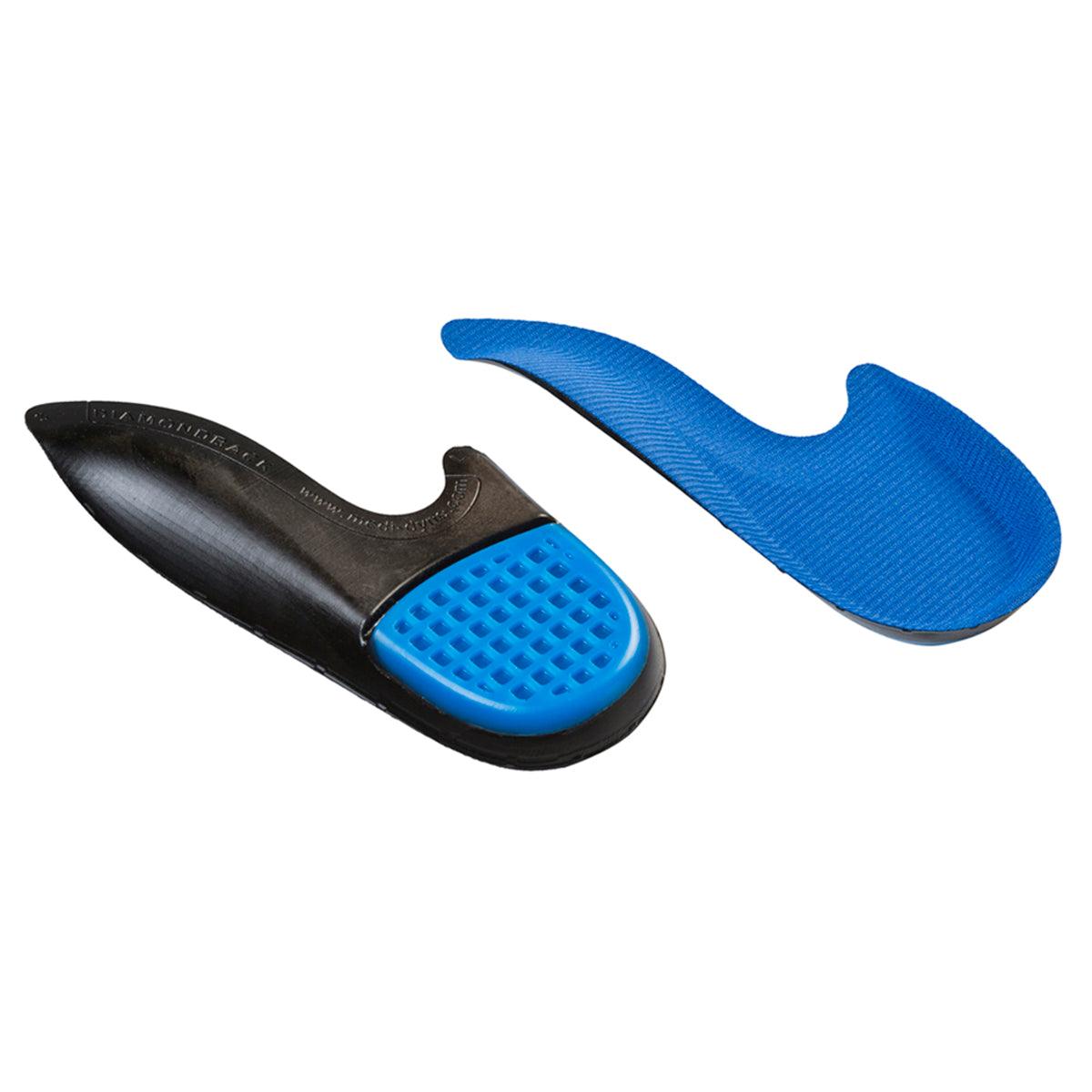
Arch support helps stabilize your foot and lessen strain on the plantar fascia. When your arch collapses slightly during walking, the plantar fascia stretches. If that stretch is excessive, irritation develops. Arch support helps:
- Maintain proper foot alignment
- Reduce overstretching of the plantar fascia
- Distribute weight more evenly
- Improve steadiness during movement
But here’s where confusion starts. Arch support is helpful, but it’s not always the whole solution.
Can Arch Support Be Bad for Your Feet?
Yes, if it’s the wrong type or too aggressive for your foot. Arch support can feel uncomfortable or even painful if:
- It’s too rigid
- It doesn’t match your arch height
- It forces your foot into unnatural positioning
- You transition into it too quickly
Your feet are used to moving a certain way. Suddenly, extreme correction can cause:
- Midfoot pain
- Increased tension in the plantar fascia
- Knee or hip discomfort
- The goal is support, not overcorrection.
Support should feel stable and comfortable, not forced.
Do Podiatrists Recommend Arch Support?
Yes, many podiatrists recommend arch support, especially for conditions like plantar fasciitis, flat feet, or overpronation. Arch support is commonly recommended to:
- Diminished strain on the plantar fascia
- Improve foot mechanics
- Prevent excessive inward rolling
- Provide structural stability
However, most foot specialists also recognize that shock absorption matters just as much, especially when heel pain is present.
That’s where many people miss an important piece.
Are Arch Supports Good for Heel Pain?
They can be, but only if heel impact is also addressed. If your heel pain is caused by plantar fasciitis, you’re dealing with two issues:
- Strain on the plantar fascia
- Repetitive impact on the heel
Arch support helps reduce strain. But it does not always reduce impact. If you stand or walk on hard surfaces all day, adding shock absorption under the heel can make a noticeable difference.
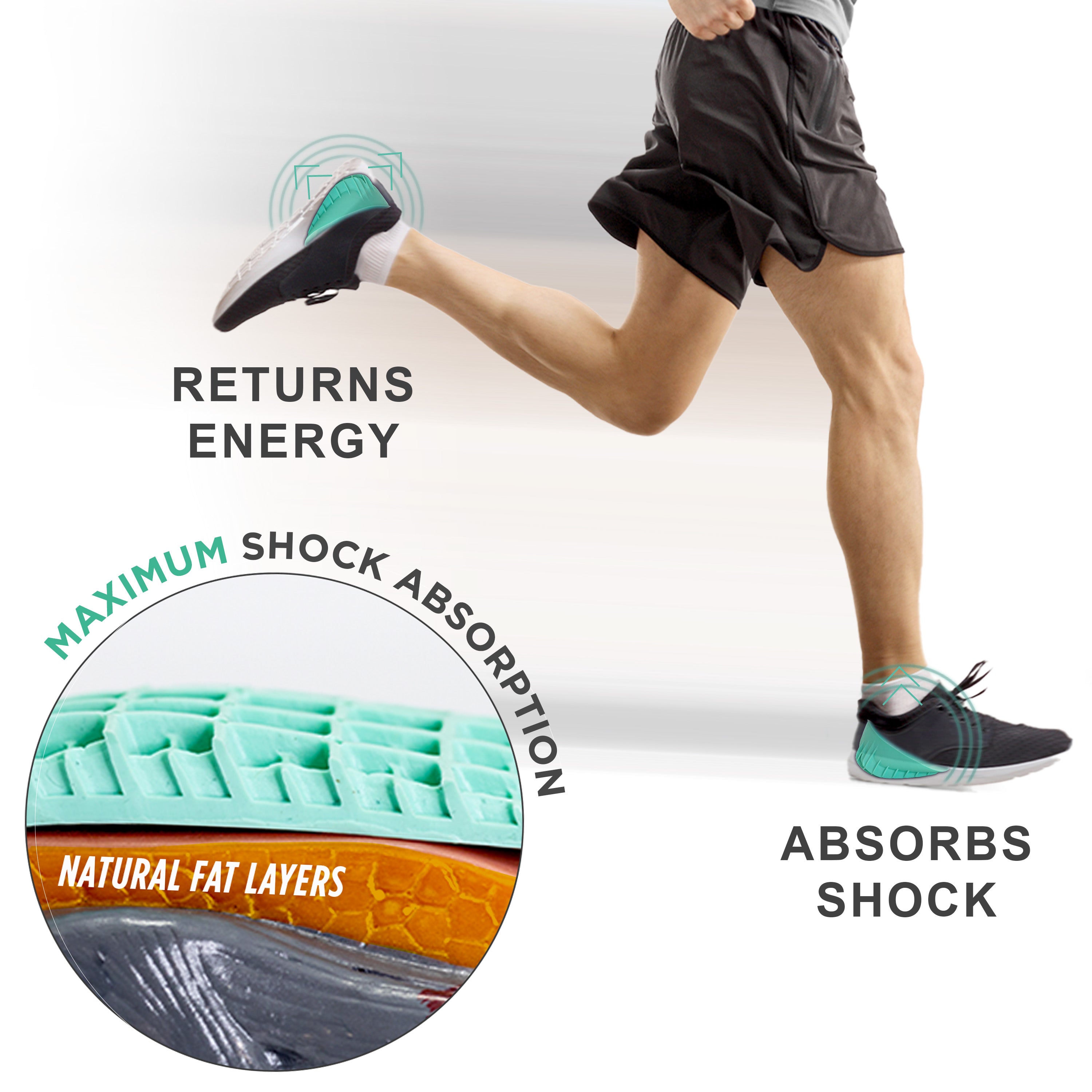
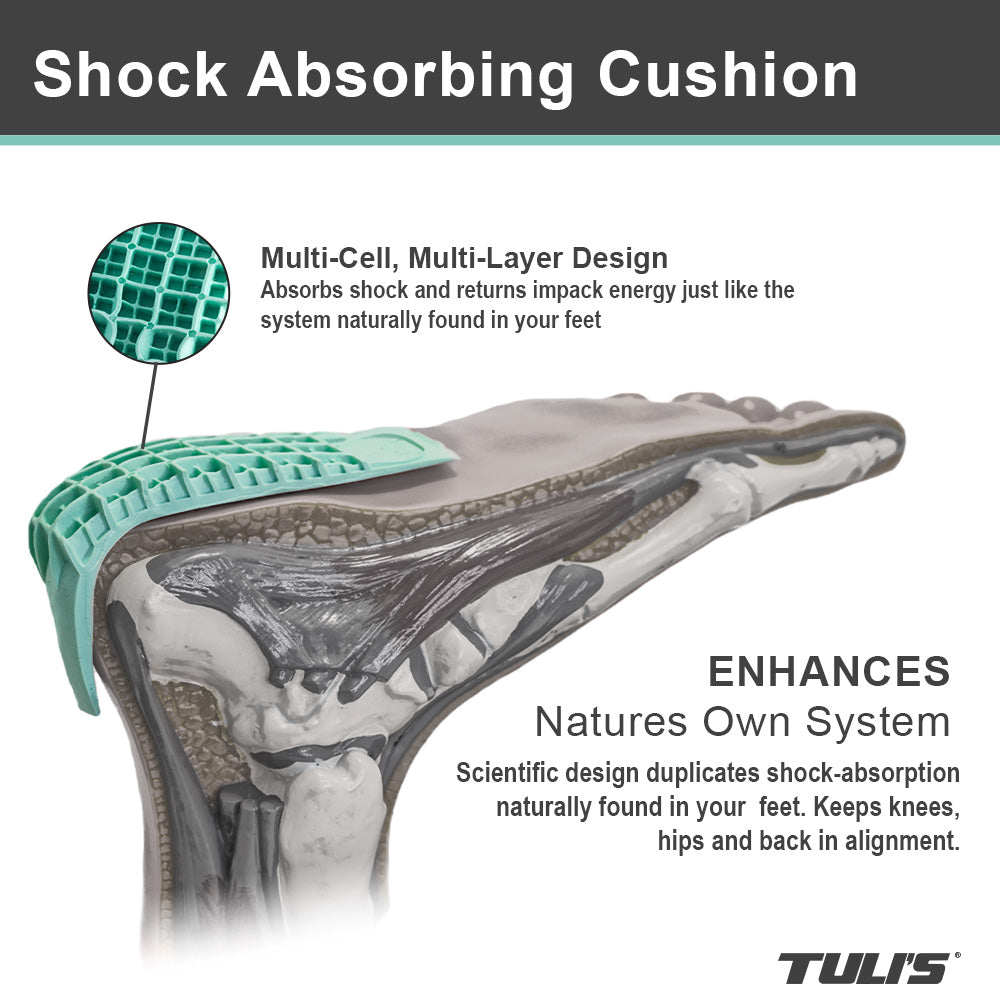
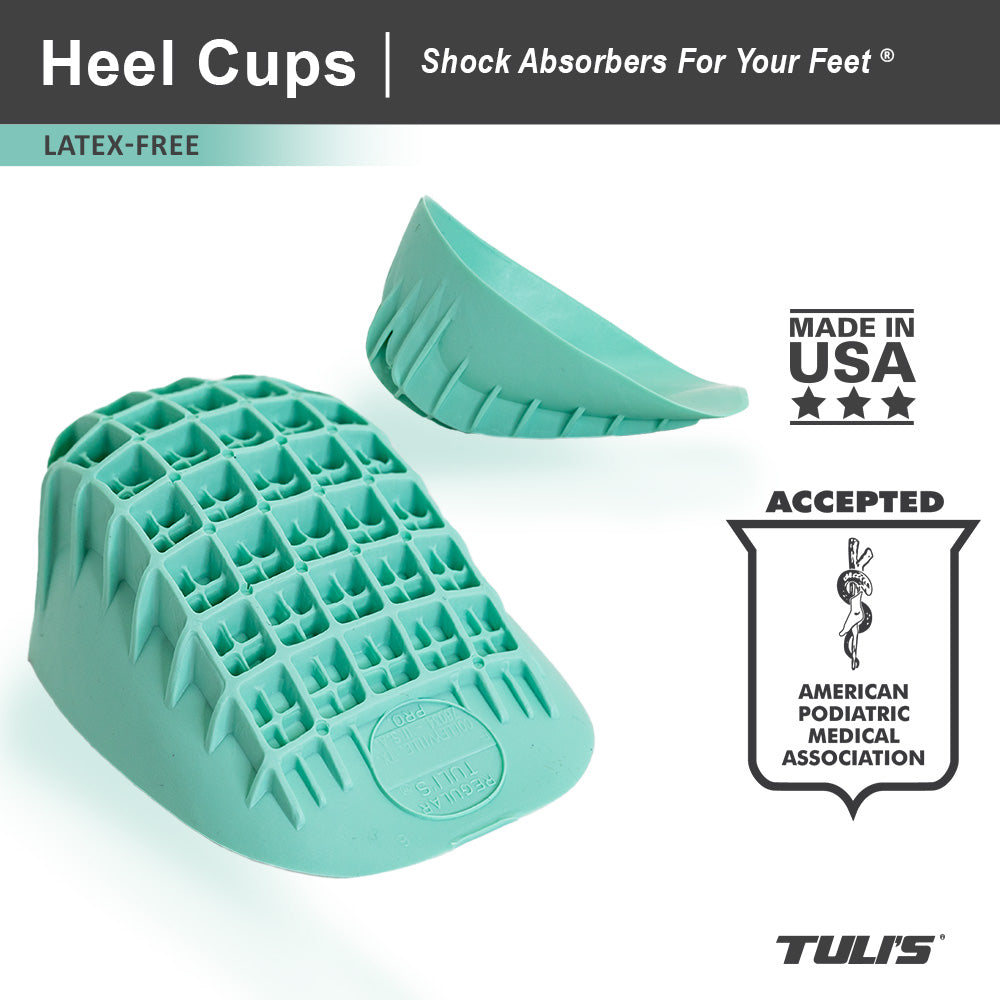
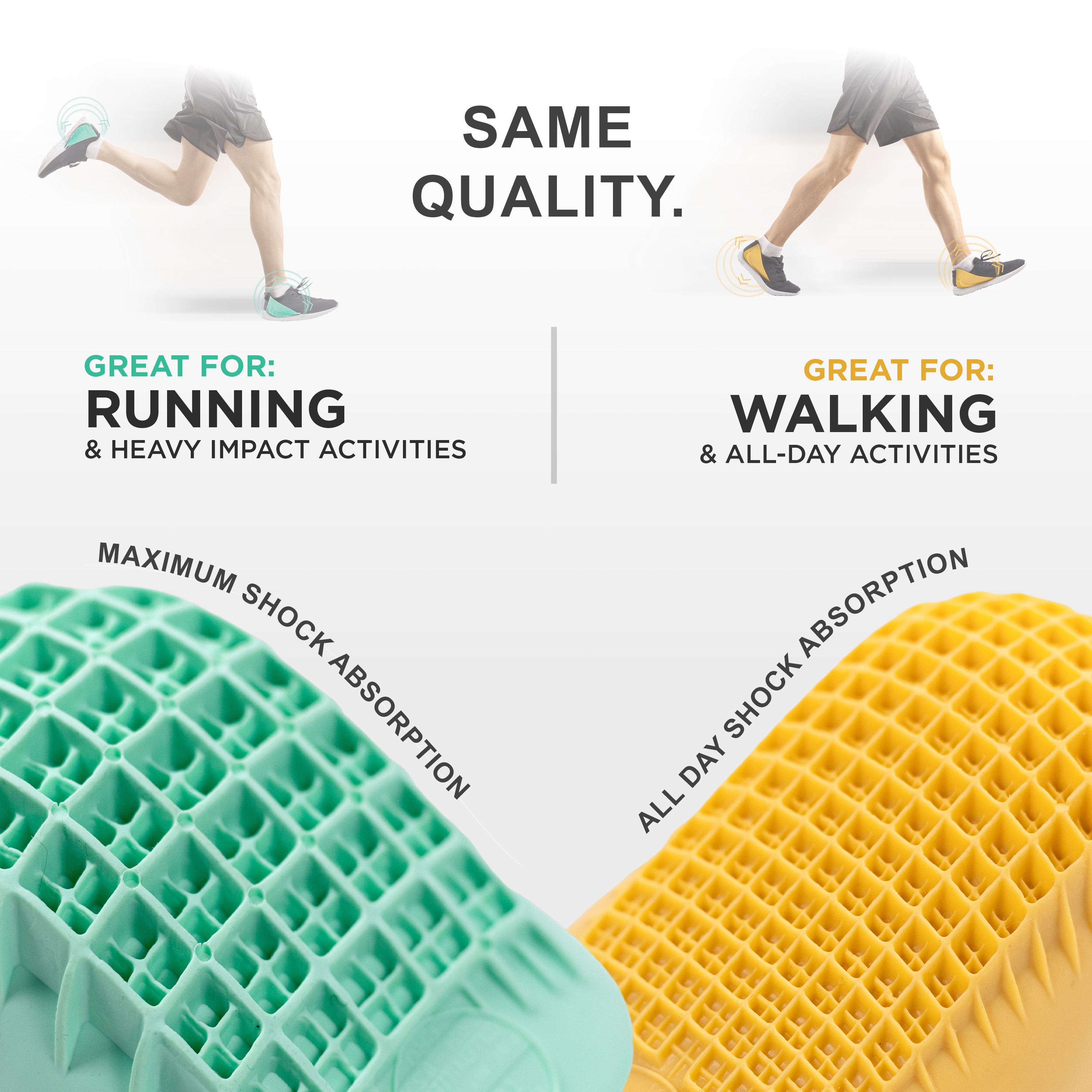
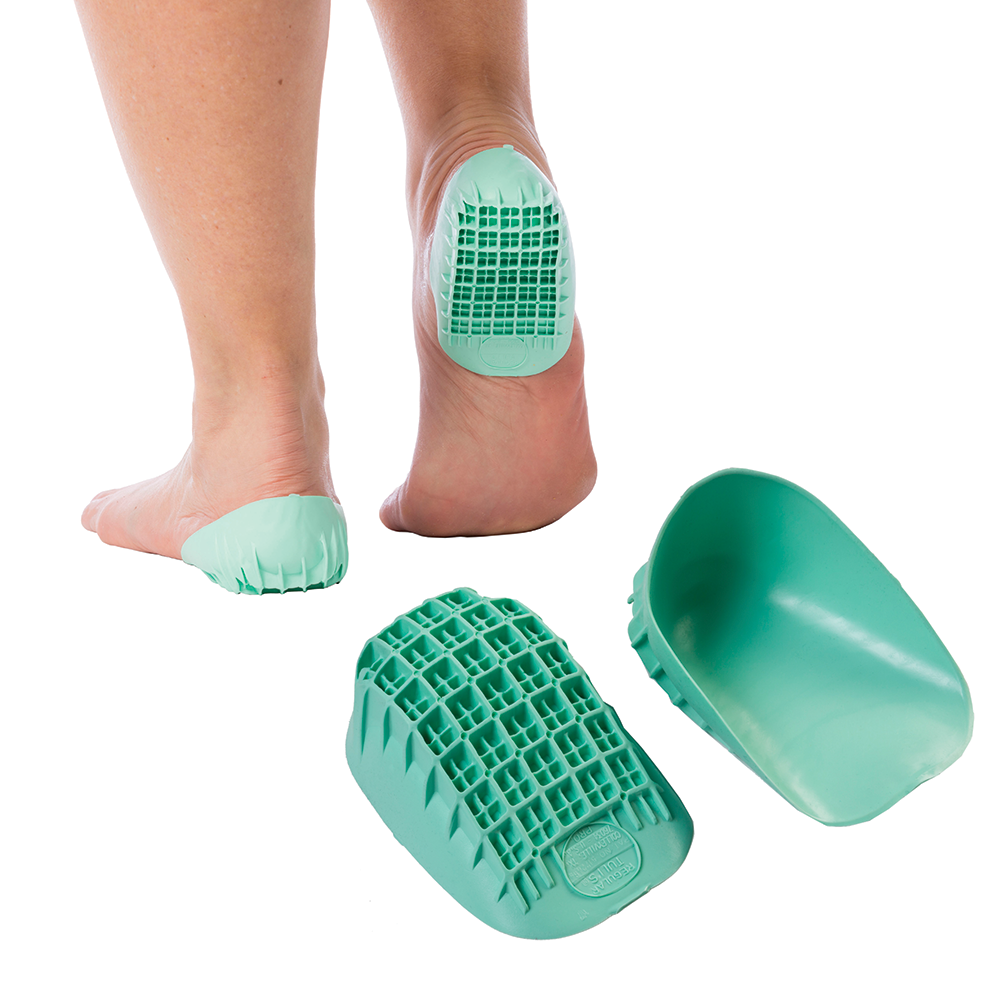
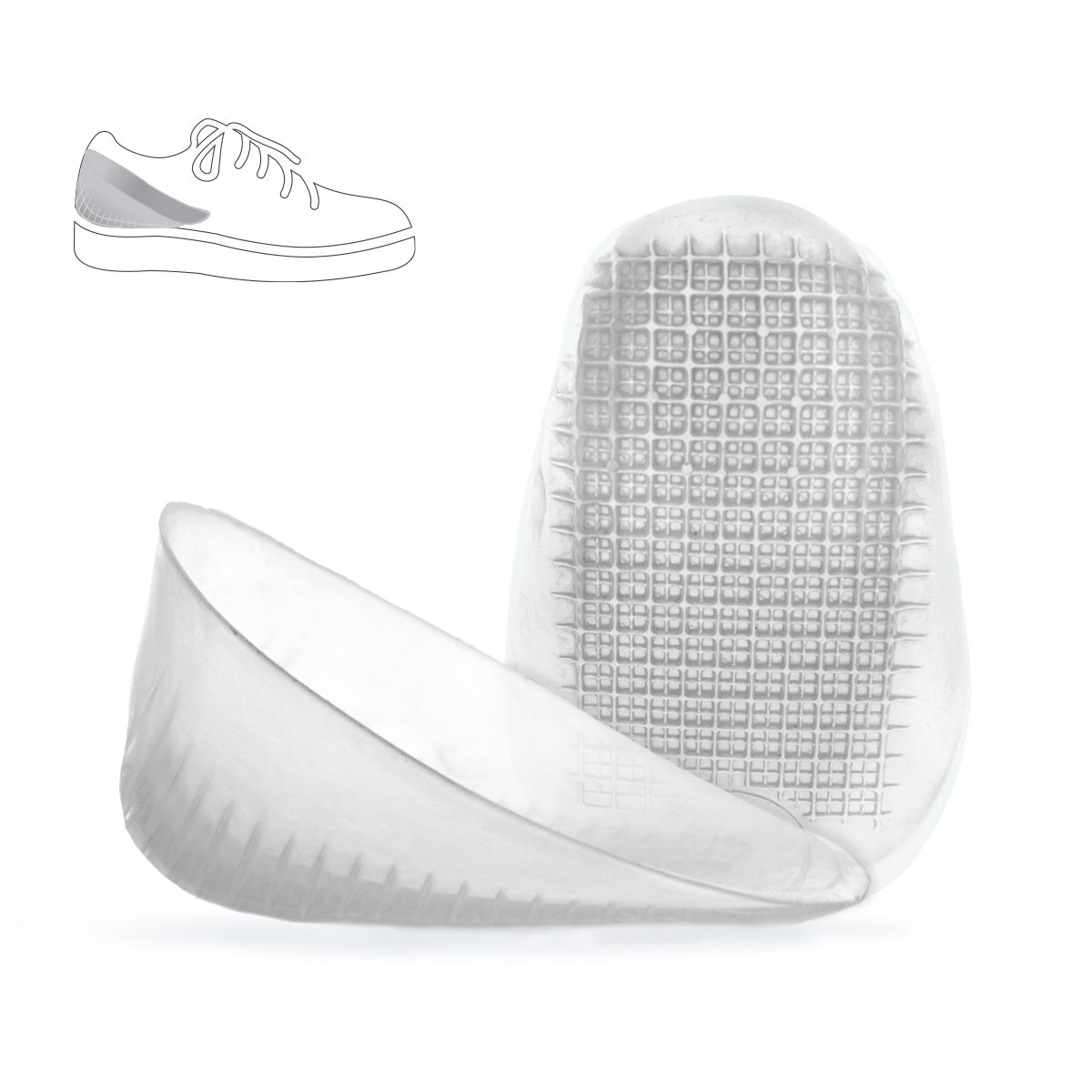
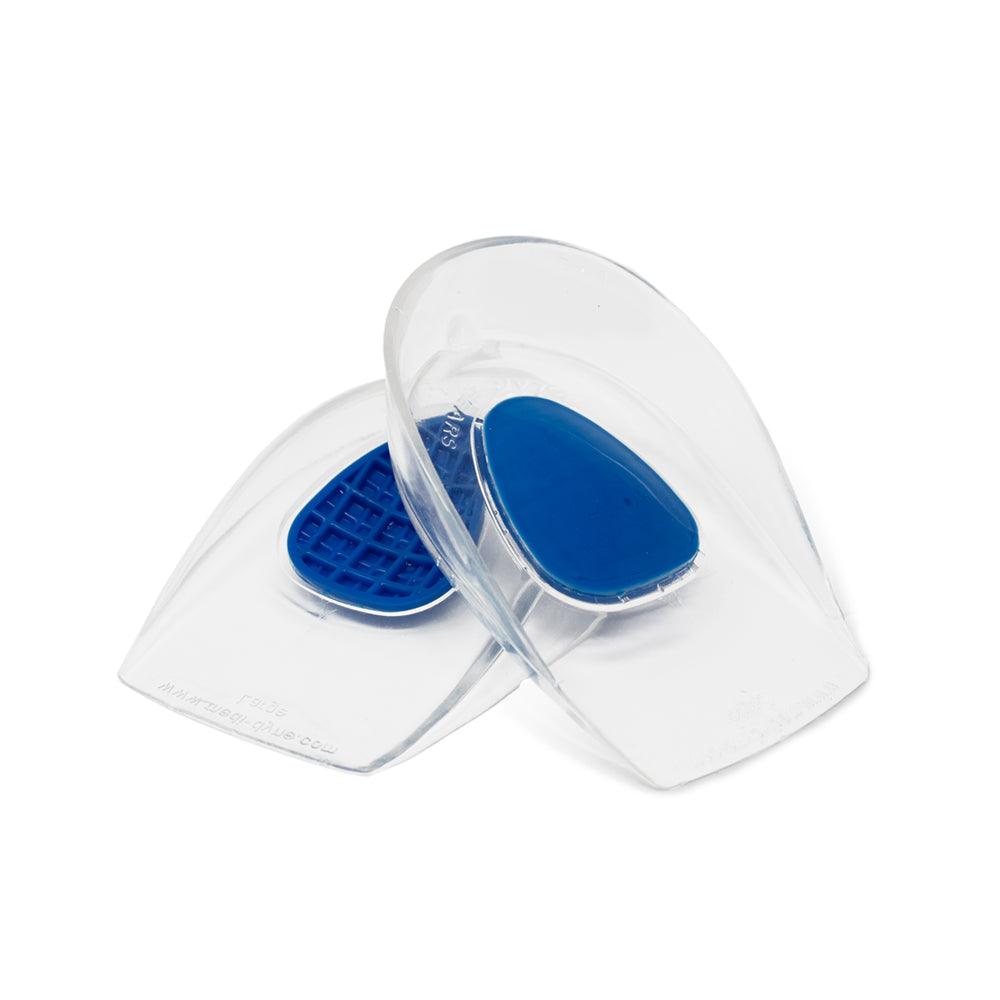
Tuli’s® Heel Cups are designed to cushion heel strike and absorb shock, especially on hard floors.

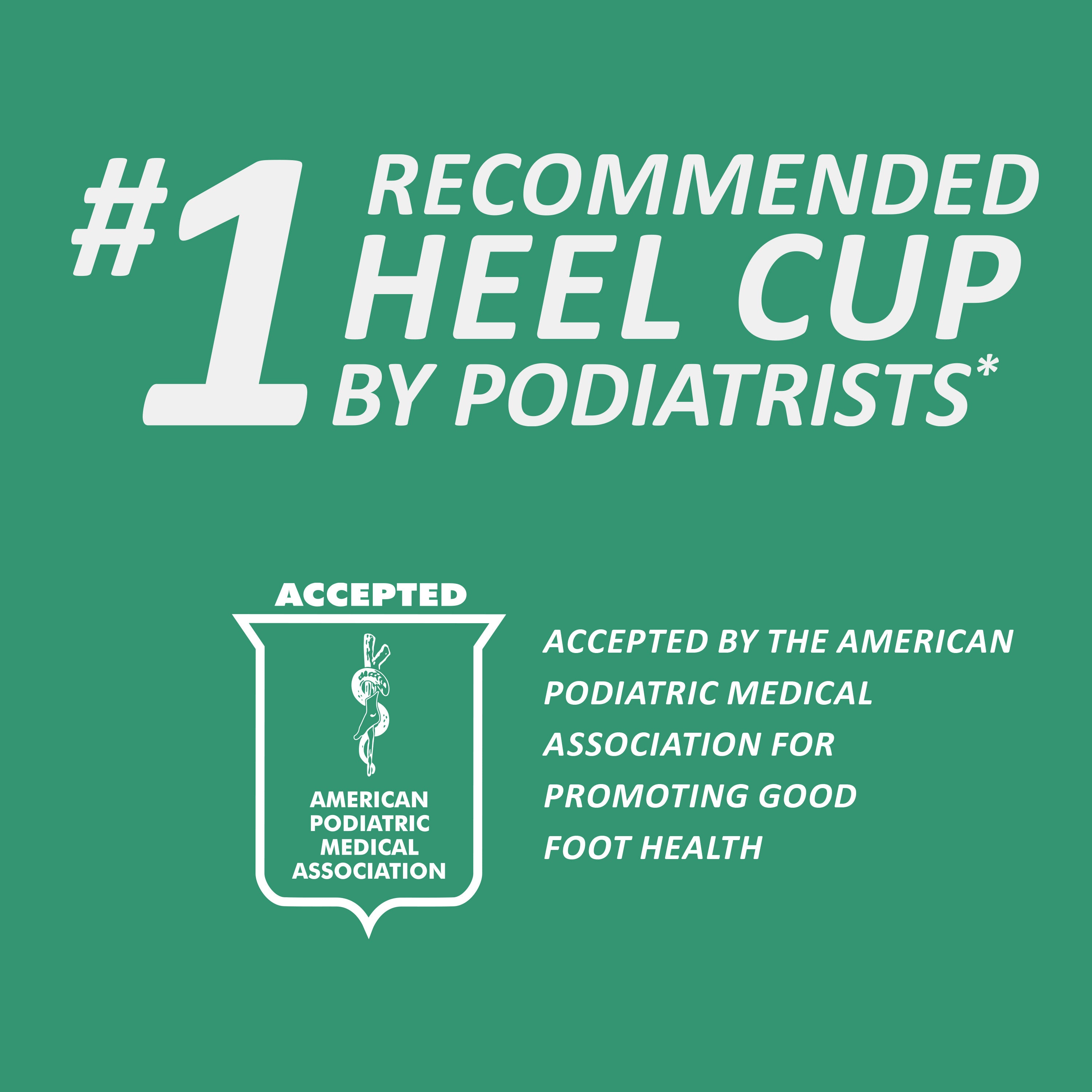
They are the #1 Recommended Heel Cup by Podiatrists*
*Based on a blind, independent survey conducted with podiatrists.

Their multi-cell, multi-layer design helps:
- Reduce heel impact
- Support the natural heel fat pad
- Improve comfort during standing
- Complement arch support if necessary
If your heel pain worsens on tile or concrete, impact may be the bigger issue, not just arch stability.
Can Too Much Arch Support Cause Plantar Fasciitis?
Yes, in some cases. Excessive or poorly fitted arch support can:
- Increase tension in the plantar fascia
- Alter your natural gait
- Shift pressure into the heel
- Create new areas of discomfort
Think of your foot like a bridge. It needs support, but it also needs flexibility. Too much rigidity can overload certain structures instead of helping them.
If your plantar fasciitis pain increased after adding new arch supports, the support may be too aggressive or mismatched to your foot type.
Heel Impact vs. Arch Support: What Do You Actually Need?
Ask yourself:
- Does your pain feel worse on hard floors?
- Do you stand for long hours?
- Does your heel throb by the end of the day?
If yes, heel impact may be the bigger trigger. If your pain increases during walking or after long activity, arch strain may be contributing.
In many cases, the most effective approach is:
✔ Moderate arch support
✔ Proper footwear
✔ Shock absorption under the heel
Balance matters.
The Bottom Line
When comparing heel impact vs. arch support, it’s not about picking one over the other.
Your plantar fascia experiences both strain and impact. Supporting your arch helps reduce tension. Cushioning your heel helps reduce force.
If you’re struggling with heel pain or plantar fasciitis, the right combination of stability and shock absorption can help you move more comfortably, especially on hard surfaces.
You don’t have to guess. Pay attention to how your feet feel. The right support must feel natural, stable, and relieving, not rigid or painful.
Your feet carry you through everything. Giving them balanced support can help you walk, stand, and live with less discomfort.
PLEASE NOTE: The information on this website and article is for information only and should not be used as a substitute for consulting your doctor. Consult your doctor for proper diagnosis and rehabilitation.