



Last updated: September 2026
Weak Knees? Causes, Exercises and Knee Support Options
Your knees help support your body during everyday movements such as standing, walking, climbing stairs, exercising, and running. Because the knee depends on muscles, tendons, ligaments, cartilage, and other structures working together, changes in any of these areas may contribute to a feeling of weakness or instability.
Weak knees can feel different from person to person. Some people notice stiffness or difficulty standing, while others may feel less stable when walking, exercising, or bearing weight.
Understanding why your knees feel weak is an important first step. In this guide, we'll look at common causes and symptoms of knee weakness, ways to strengthen and support the knees, and different knee support options that may help you stay comfortable and active.
Table of Contents
- What Causes Weak Knees?
- What Are the Symptoms of Weak Knees?
- How to Support Weak Knees
- Strengthen the Muscles Around Your Knees
- Maintain a Healthy Weight
- Wear Supportive Footwear
- Consider a Knee Strap or Knee Support
- Knee Compression Sleeves
- Heat and Cold Therapy
- Cho-Pat® Knee Supports for Weak Knees
- When to Talk to a Healthcare Professional
- Frequently Asked Questions About Weak Knees

What Causes Weak Knees?
Knees may feel weak for many different reasons, including changes associated with age, repetitive activity, muscle weakness, previous injuries, or conditions affecting the knee joint.
The muscles surrounding the knee play an important role in helping support and stabilize the joint. Weakness or imbalance in muscles such as the quadriceps, hamstrings, calves, and glutes may affect how the knee feels during movement.
Previous knee injuries involving structures such as the meniscus or ligaments may also affect knee stability. Changes within the joint over time, including osteoarthritis, may contribute to stiffness, discomfort, or a feeling of weakness.
Because knee weakness can have several possible causes, persistent or unexplained symptoms should be evaluated by a qualified healthcare professional.
What Are the Symptoms of Weak Knees?
A feeling of weakness in the knee may occur by itself or along with other symptoms.
Common symptoms may include:
- Knee stiffness
- Swelling
- Difficulty standing from a seated position
- Feeling unstable while bearing weight
- Difficulty climbing stairs
- Trouble bending or straightening the knee
- Clicking, grinding, or other sensations during movement
- Reduced confidence when walking or exercising
- A sensation that the knee may buckle or give way
These symptoms do not necessarily indicate a specific condition. If your knee repeatedly gives way, becomes significantly swollen, or causes persistent discomfort, speak with a healthcare professional.

How to Support Weak Knees
Supporting weak knees usually involves more than simply wearing a knee brace. Depending on the cause, an overall approach may include strengthening the muscles surrounding the knee, maintaining healthy movement habits, wearing appropriate footwear, modifying activities when necessary, and using external knee support during certain activities.
The appropriate strategy will depend on the reason your knees feel weak and your overall health and activity level.
Strengthen the Muscles Around Your Knees
Building strength in the muscles surrounding the knee may help provide additional support during everyday movement and physical activity.
Important muscle groups include the:
- Quadriceps
- Hamstrings
- Glutes
- Calves
Exercises commonly used to strengthen the lower body may include:
- Squats
- Step-ups
- Straight-leg raises
- Lunges
- Glute bridges
The appropriate exercises and intensity will vary depending on your current strength, mobility, and the reason for your knee weakness.
Start gradually and avoid pushing through significant pain. If you have an existing knee injury, ongoing pain, or difficulty performing an exercise correctly, a physical therapist or other healthcare professional can help develop an appropriate strengthening program.
Maintain a Healthy Weight
Maintaining a healthy weight may help reduce the amount of stress placed on the knees during activities such as standing, walking, climbing stairs, and exercising. Weight management should be approached based on your individual health needs. If you are unsure what is appropriate for you, speak with a healthcare professional about a sustainable approach.
Wear Supportive Footwear
Your feet are the foundation for many of the movements that involve your knees. Shoes that fit properly and are appropriate for your activity can help support comfortable movement during walking, exercise, and sports.
Worn or poorly fitting shoes may affect how you move, so regularly evaluate your footwear and replace athletic shoes when they no longer provide the fit or cushioning you need.
Consider a Knee Strap or Knee Support
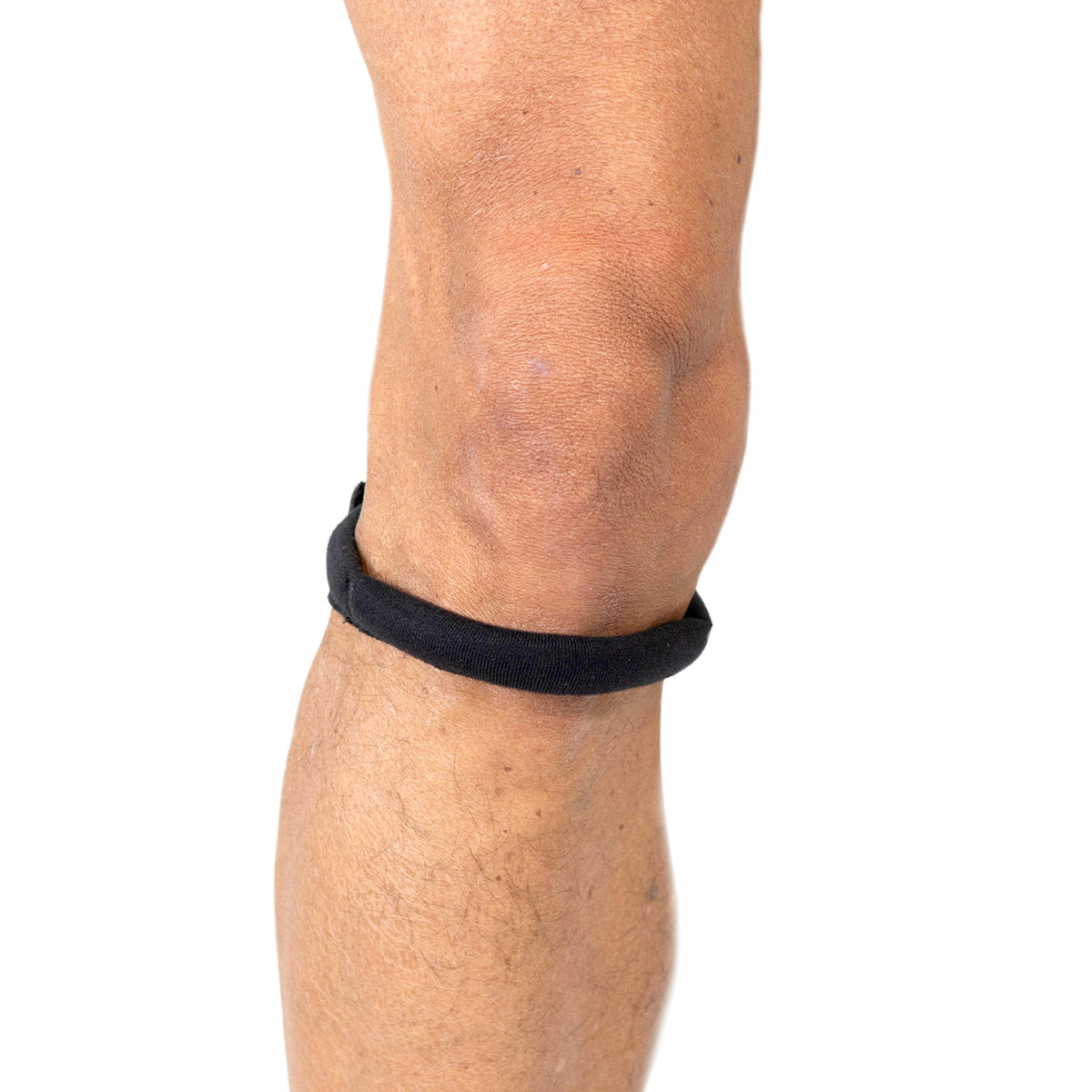
Knee supports come in several designs and provide different types of compression and coverage. A patella knee strap is generally worn below the kneecap and provides targeted compression around the patellar tendon while leaving most of the knee uncovered.
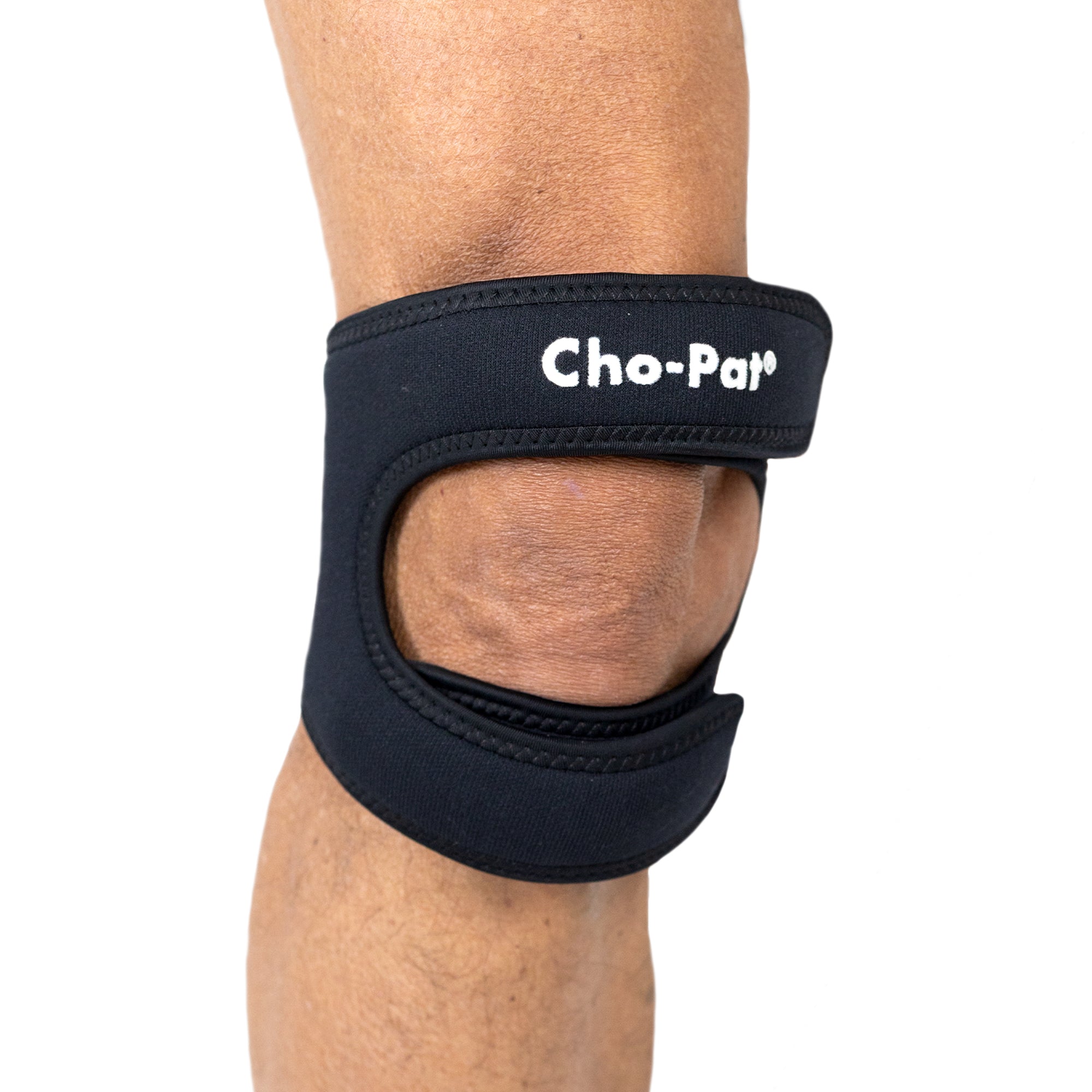
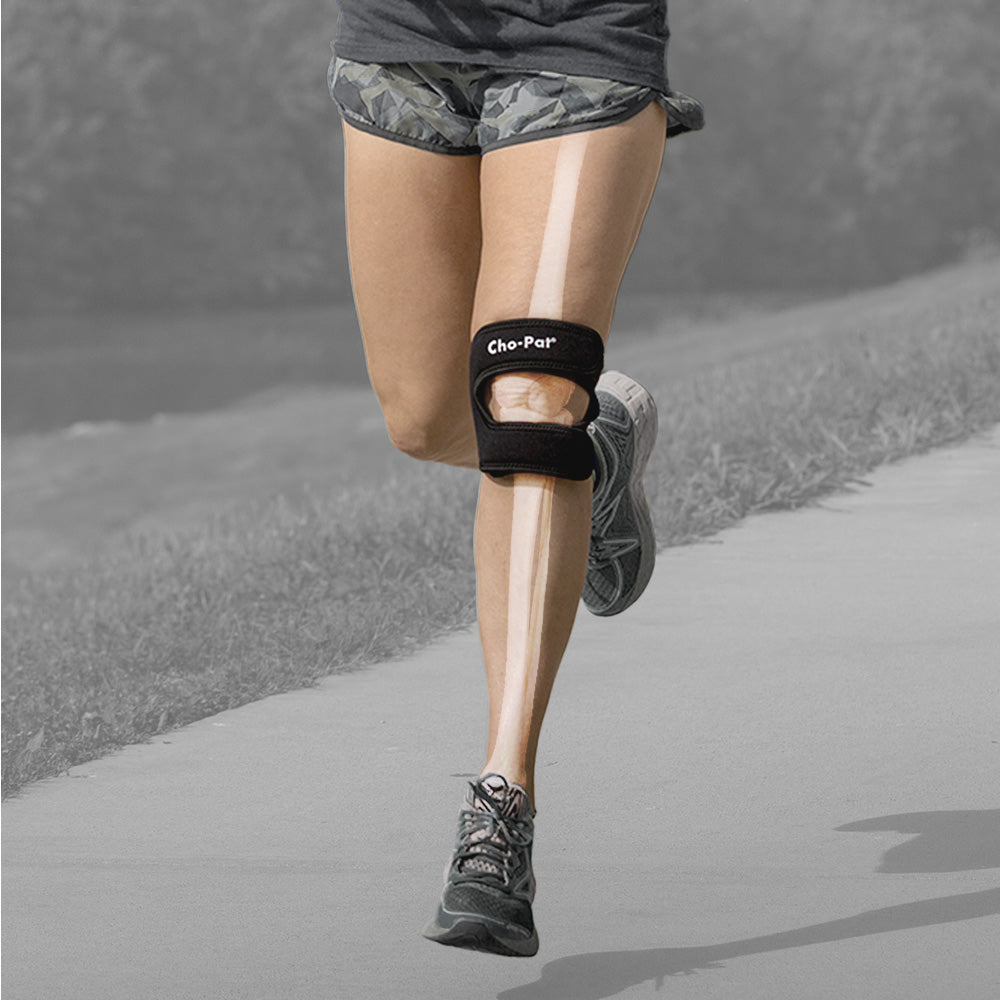
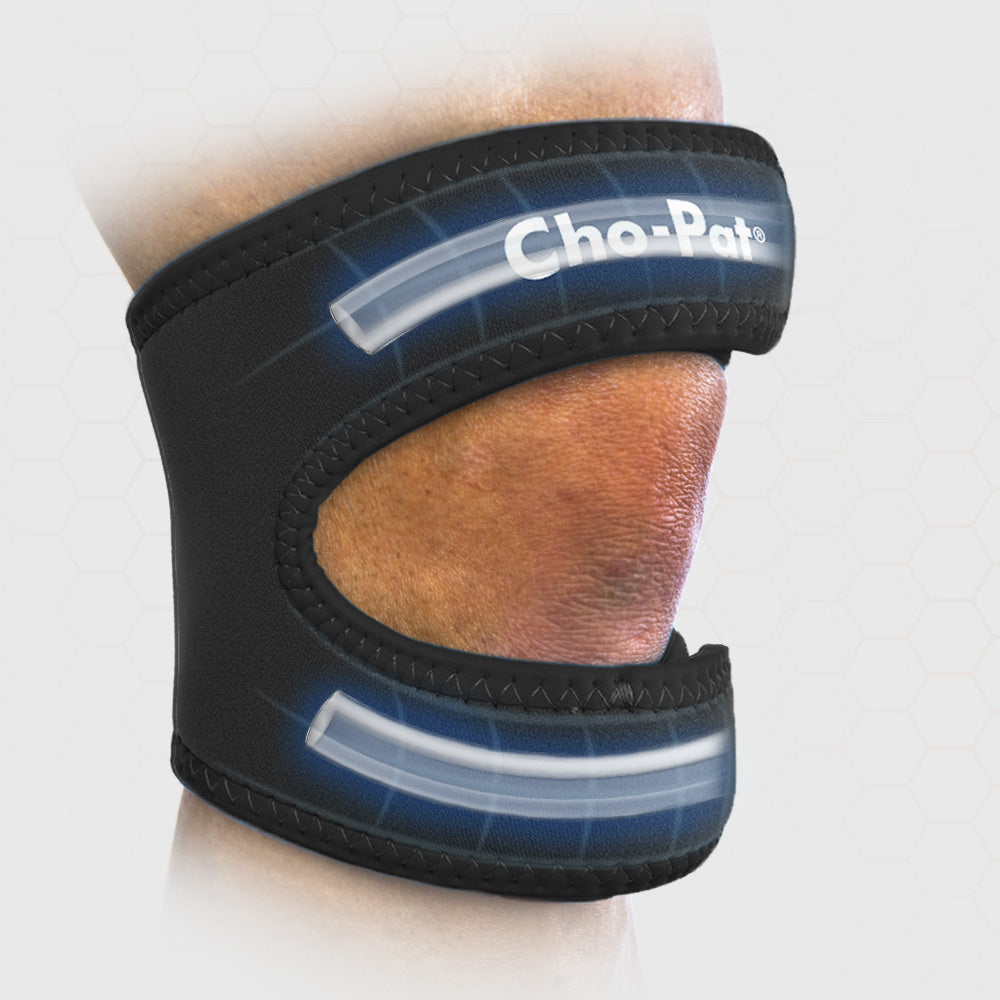
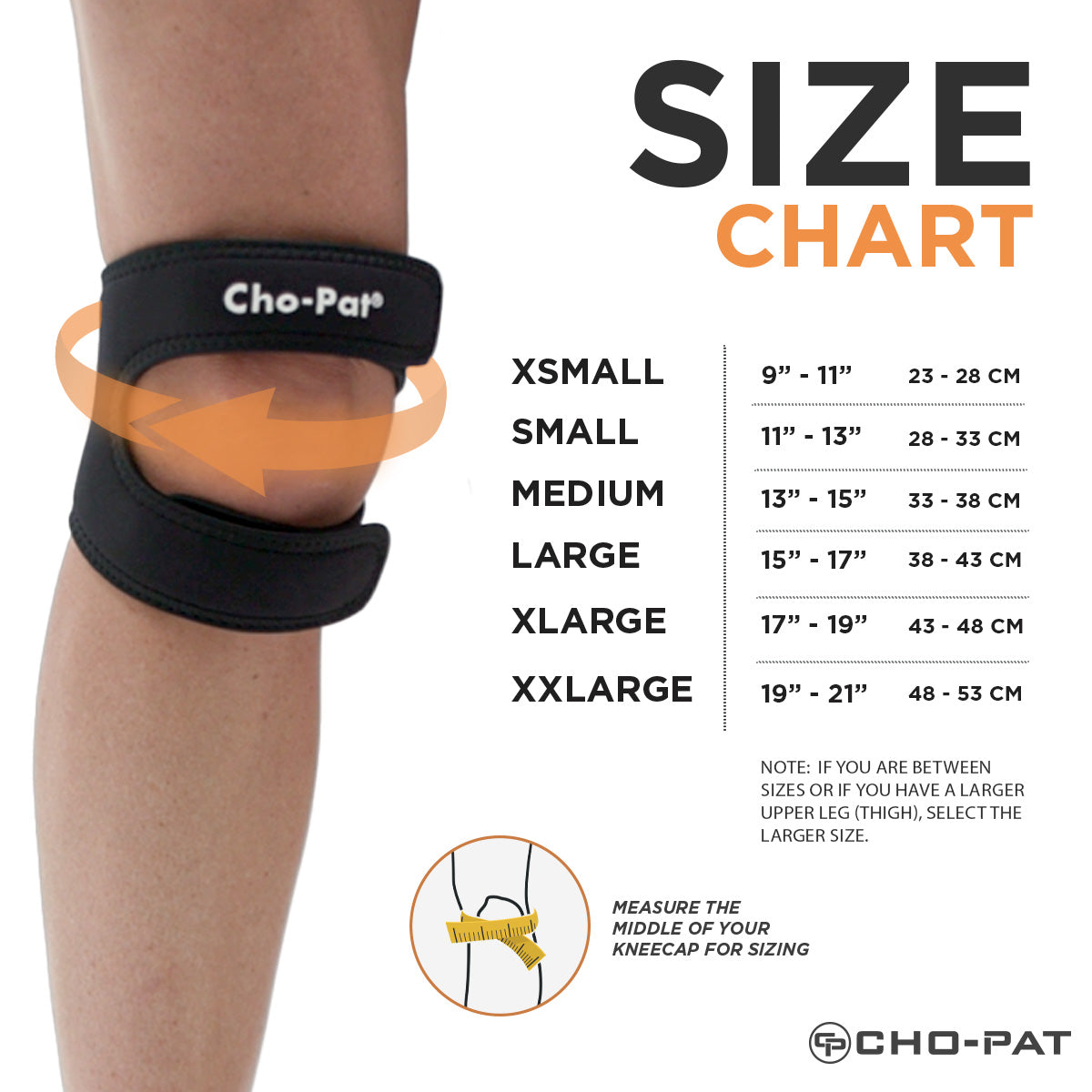
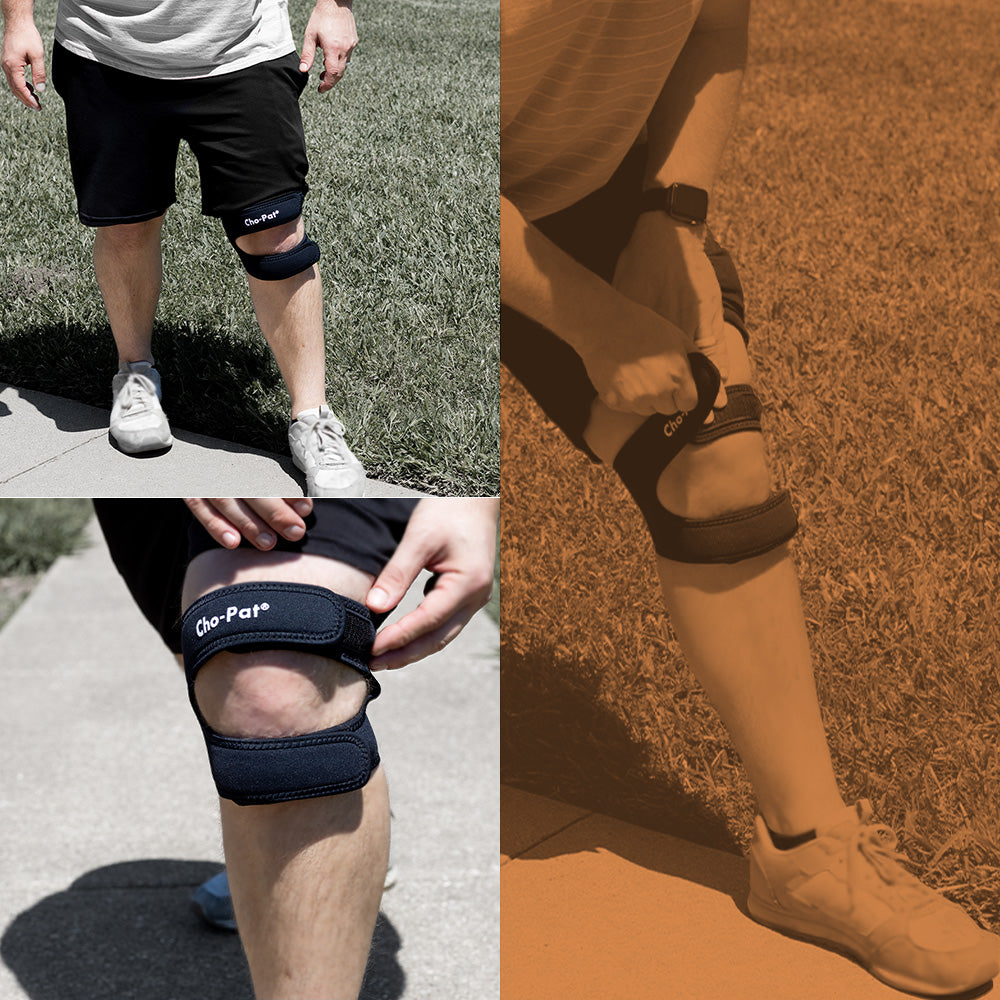
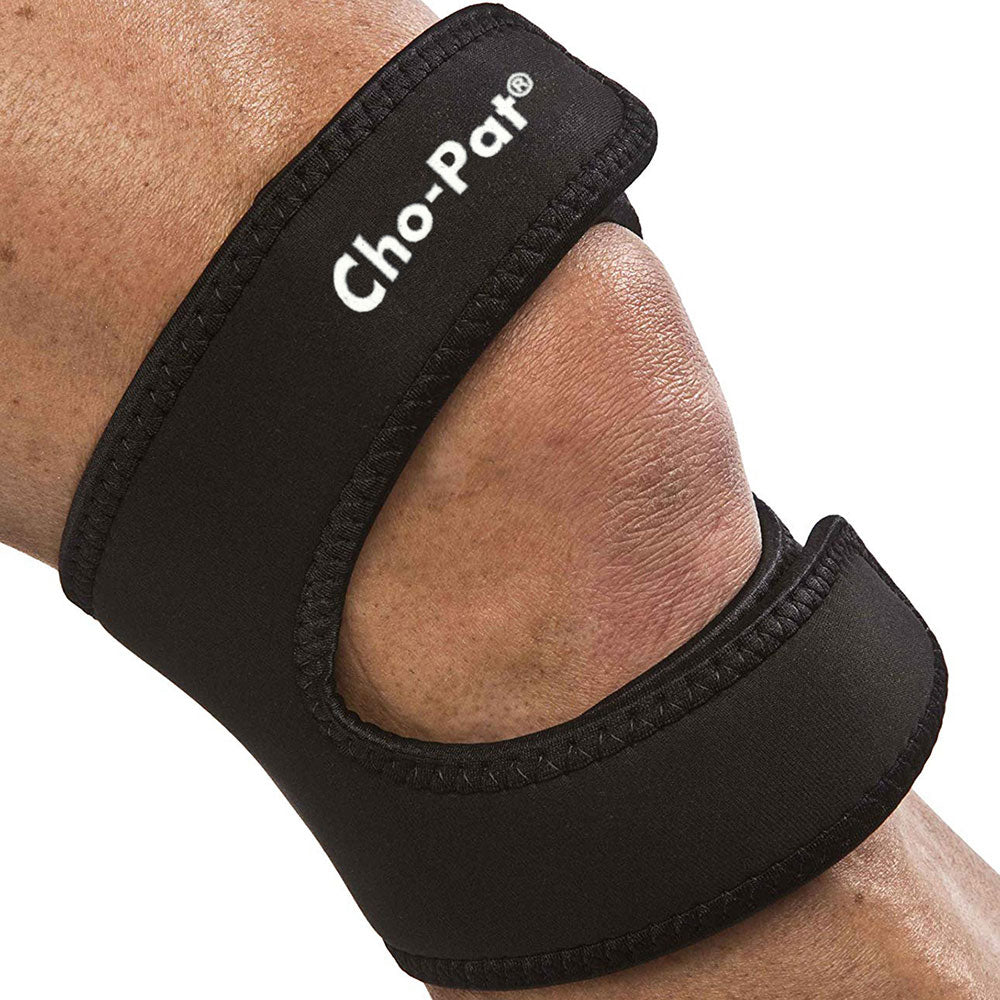
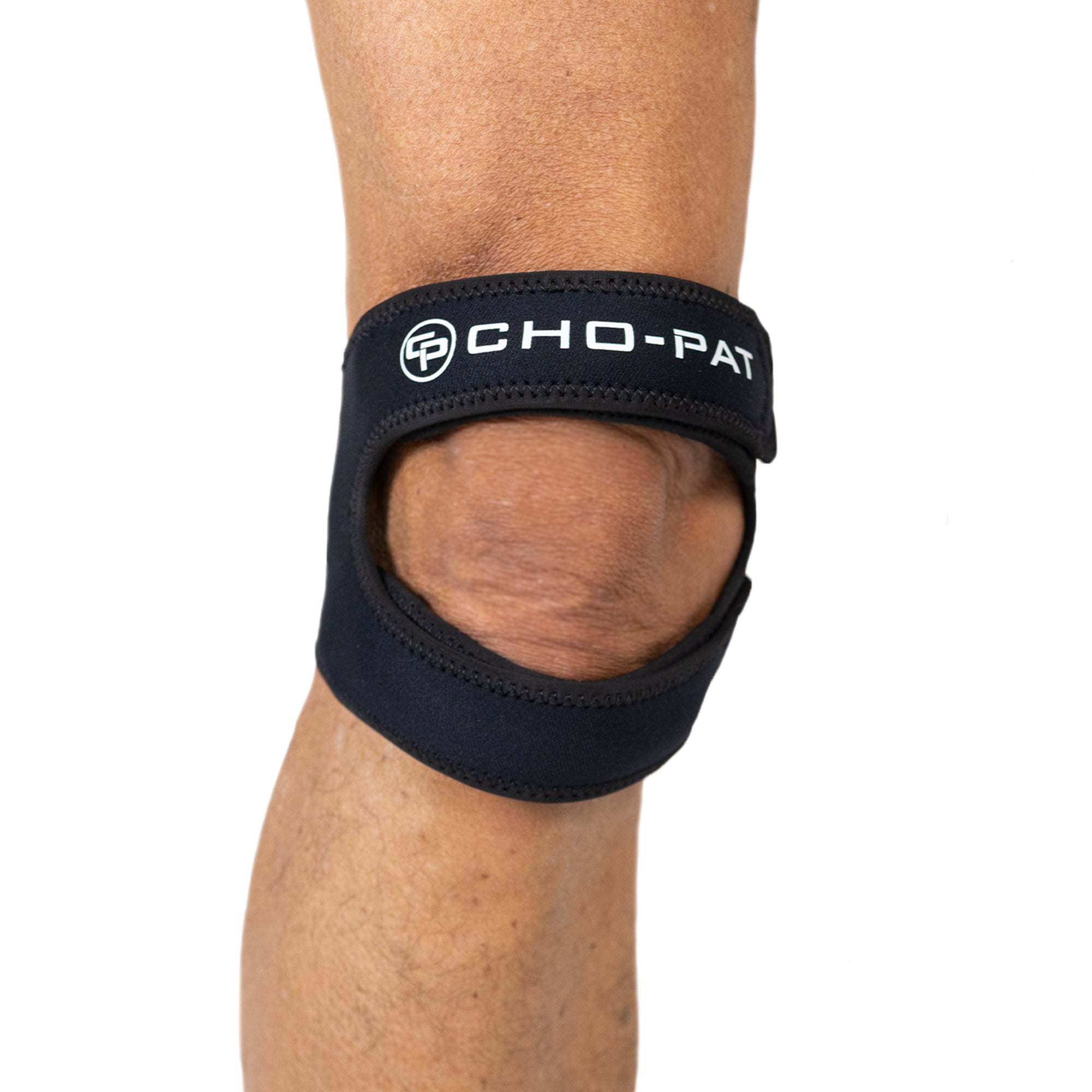
Other knee strap designs provide support both above and below the kneecap. These dual-action designs offer additional coverage while keeping the patella open and allowing the knee to bend during movement.
For someone looking for support while remaining active, a low-profile knee strap may provide an alternative to the greater coverage of a traditional knee brace. The appropriate knee support depends on where support is needed, the amount of coverage preferred, and the reason the knee feels weak.
Knee Compression Sleeves
Compression knee sleeves provide broader compression around the knee than a targeted knee strap. They typically slide over the leg and surround the knee with flexible material. Some people prefer this type of support because it provides a snug feeling around the entire joint.
A knee sleeve and a knee strap serve different purposes. Someone looking for broader compression may prefer a sleeve, while someone looking for more targeted support around a specific area of the knee may prefer a strap.
Heat and Cold Therapy
Heat and cold are commonly used as part of managing temporary knee discomfort.
Cold therapy may be useful following activity when the knee feels sore or swollen. Heat may feel comfortable for stiffness before activity or during periods of rest.
When using either approach, protect your skin by placing a barrier between the skin and the heat or cold source, and avoid prolonged exposure.
If swelling, pain, warmth, or redness is significant or unexplained, consult a healthcare professional rather than relying only on home care.
Cho-Pat® Knee Supports for Weak Knees
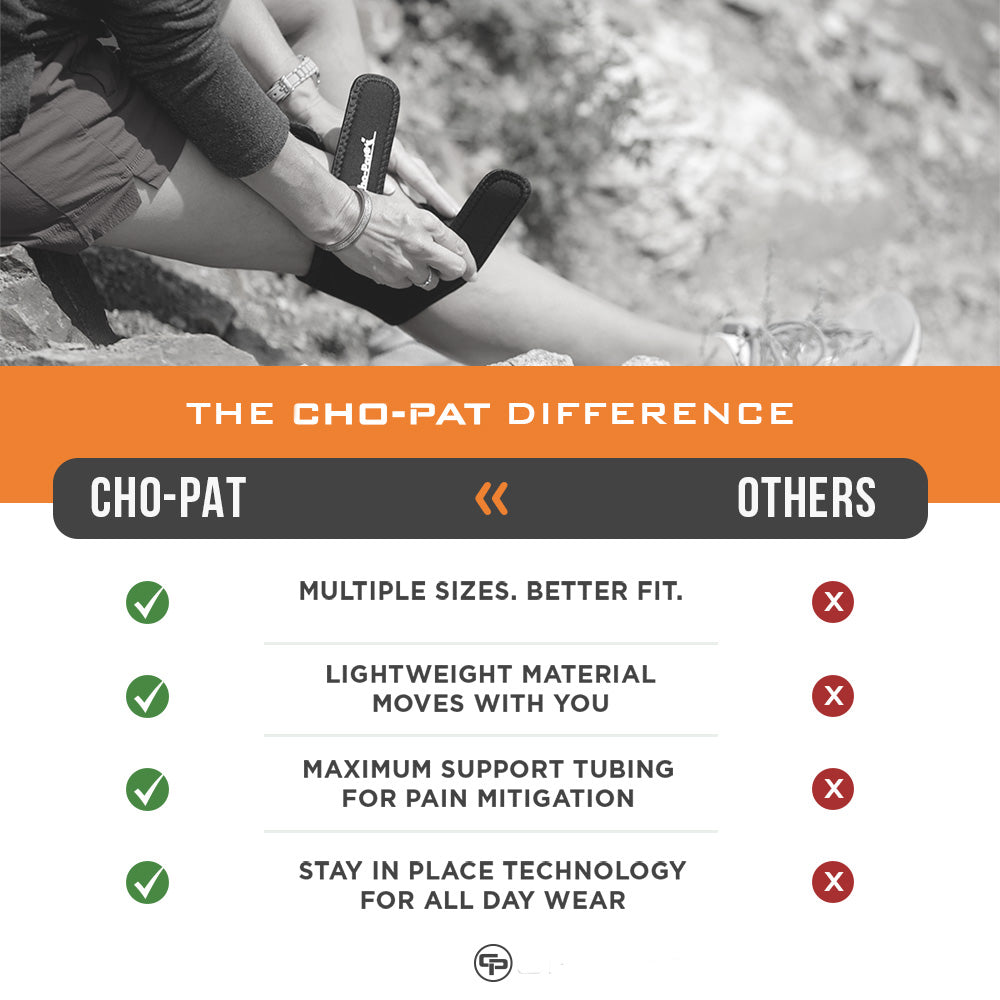
Cho-Pat® offers several knee strap designs that provide different areas and levels of support while allowing the knee to remain mobile. Choosing between them primarily depends on whether you want targeted support below the kneecap or support above and below the knee.
Cho-Pat® Patella Knee Strap

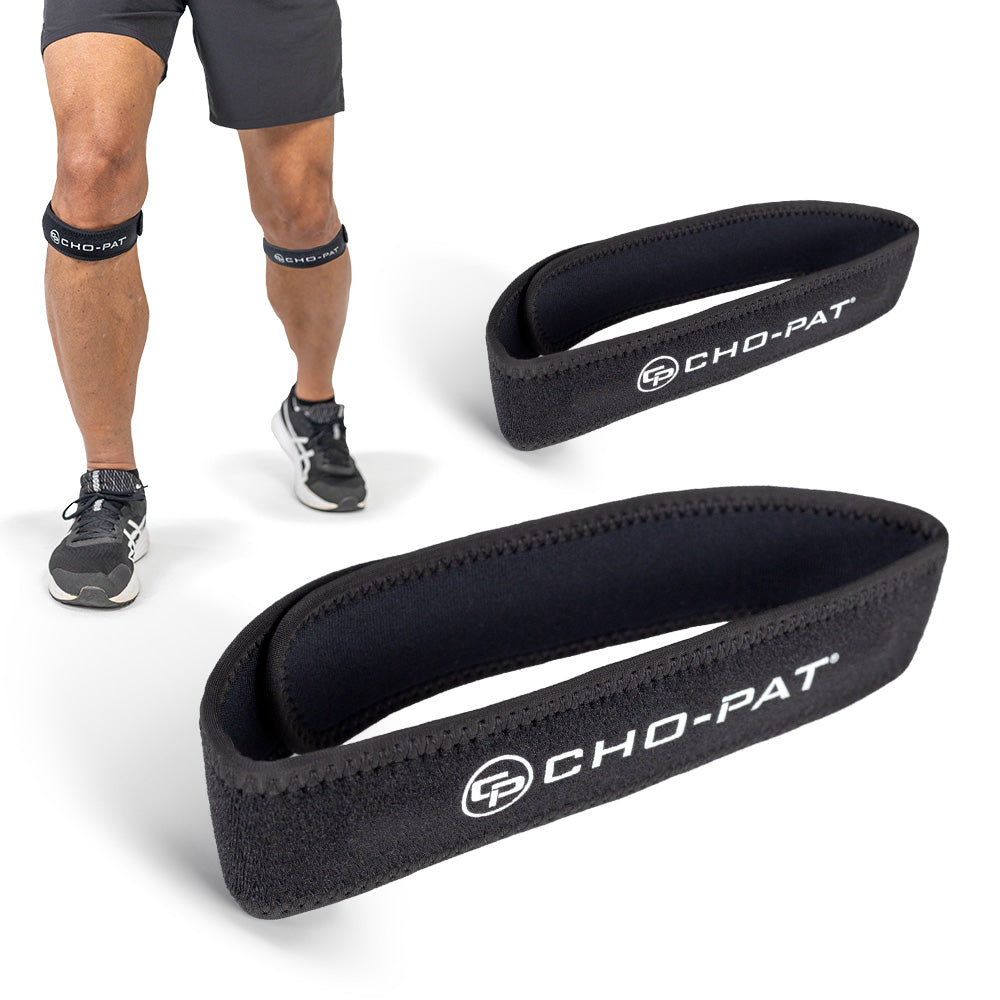
The Cho-Pat® Patella Knee Strap provides targeted support below the kneecap in a simple, low-profile design. Its single-strap construction leaves most of the knee uncovered, allowing freedom of movement during everyday activities and exercise.
Best suited for: People looking for simple, targeted support below the kneecap with minimal coverage.
Shop Cho-Pat® Patella Knee Strap
Cho-Pat® Original Knee Strap

The Cho-Pat® Original Knee Strap provides targeted support below the kneecap while allowing the knee to remain mobile. Available in multiple sizes, its low-profile design provides below-the-kneecap support without surrounding the entire knee.
Best suited for: People who want targeted below-the-kneecap support with multiple sizing options.
Shop Cho-Pat® Original Knee Strap
Cho-Pat® Dual Action Lite Knee Strap

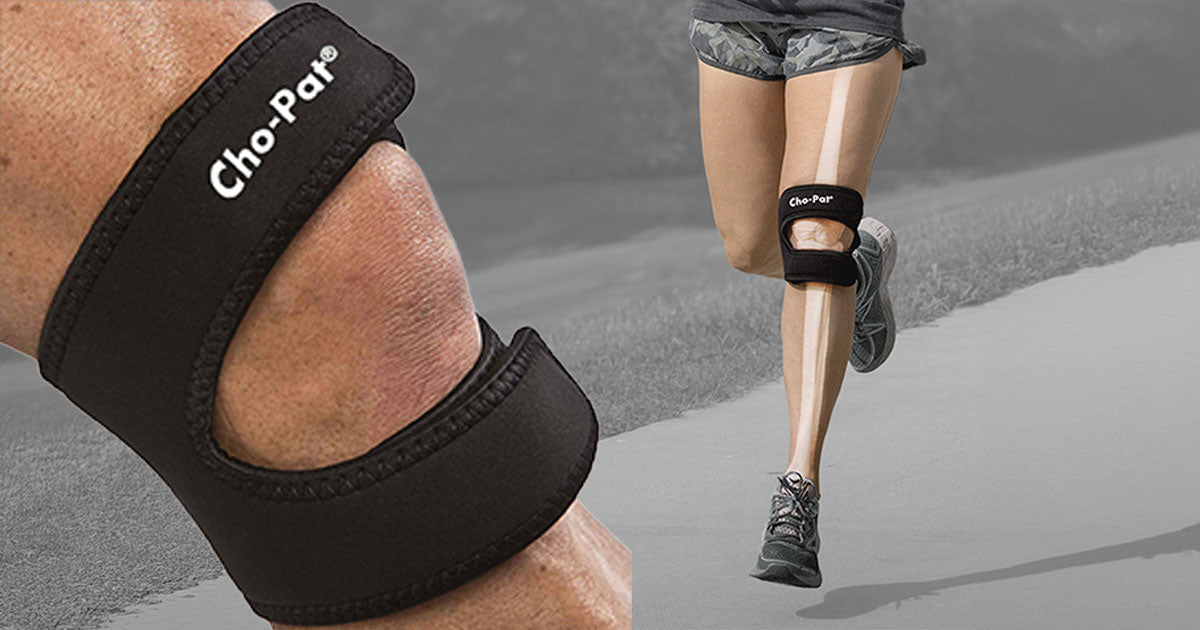
The Cho-Pat® Dual Action Lite Knee Strap provides lightweight support above and below the kneecap while leaving the patella uncovered. The dual-strap construction provides additional coverage while maintaining freedom of movement.
Best suited for: People looking for lightweight support above and below the kneecap.
Shop Cho-Pat® Dual Action Lite Knee Strap
Cho-Pat® Dual Action Knee Strap

The Cho-Pat® Dual Action Knee Strap provides support above and below the kneecap while leaving the patella uncovered. Its dual-action design offers more comprehensive support around the knee without the coverage of a traditional full knee brace.
Best suited for: People looking for support above and below the kneecap while maintaining knee mobility.
Shop Cho-Pat® Dual Action Knee Strap
Not sure which Cho-Pat knee support is right for you? Learn more about how the different Cho-Pat knee straps work and compare their support location, design, materials, and sizing in our Cho-Pat Knee Strap Guide.
For more information about common causes, exercises, and support options, visit our Weak & Arthritic Knees guide.
When to Talk to a Healthcare Professional
A feeling of knee weakness can sometimes be related to muscle fatigue or reduced strength, but repeated weakness or instability can also indicate an underlying knee problem.
Consider speaking with a healthcare professional if:
- Your knee repeatedly buckles or gives way
- You have significant or persistent swelling
- Knee weakness began following an injury
- You have difficulty bearing weight
- You cannot fully bend or straighten your knee
- Symptoms continue to worsen
- Knee weakness interferes with everyday activities
A healthcare professional can help identify the cause and determine whether strengthening, physical therapy, activity modification, a knee support, or another approach is appropriate.
Frequently Asked Questions About Weak Knees
What causes knees to feel weak?
Knees may feel weak because of muscle weakness, repetitive activity, previous injury, changes within the knee joint, or other health conditions. Because several problems can cause similar symptoms, persistent knee weakness should be evaluated by a healthcare professional.
Can weak knees be strengthened?
Strengthening the muscles surrounding the knee, including the quadriceps, hamstrings, glutes, and calves, may help improve overall knee support and movement. The appropriate exercises depend on your current strength and the reason for your knee weakness.
What exercises are good for weak knees?
Exercises such as straight-leg raises, step-ups, squats, lunges, and glute bridges may help strengthen muscles that support the knee. Begin gradually and consult a healthcare professional or physical therapist if you have an injury or persistent knee pain.
Do knee straps help support weak knees?
Knee straps are designed to provide targeted compression and external support around specific areas of the knee while allowing movement. Some designs provide support below the kneecap, while dual-action straps provide support above and below the knee.
Is a knee strap or knee sleeve better for weak knees?
Neither is universally better. Knee straps provide more targeted support with less coverage, while knee sleeves provide broader compression around the joint. The appropriate option depends on where support is desired and the amount of coverage you prefer.
Which Cho-Pat knee strap provides the most coverage?
Among Cho-Pat knee strap designs, the Dual Action Knee Strap provides support above and below the kneecap. The Patella and Original straps focus support below the kneecap, while the Dual Action Lite provides a lighter-weight dual-strap option.
When should I see a doctor about weak knees?
Seek medical guidance if your knee repeatedly gives way, has significant swelling, becomes difficult to bear weight on, loses normal range of motion, or if weakness follows an injury or continues to worsen.
PLEASE NOTE: The information in this article is for informational purposes only and should not be used as a substitute for professional medical advice, diagnosis, or treatment. Consult a qualified healthcare professional regarding persistent knee weakness, pain, injuries, or questions about which type of knee support may be appropriate for you.